
Dryer Vent Cleaning in Presque Isle, ME
Tell us about your home, and a licensed contractor who covers Aroostook County will get in touch.
Tell us about the job
It takes about a minute.
Step 1 of 3: Equipment
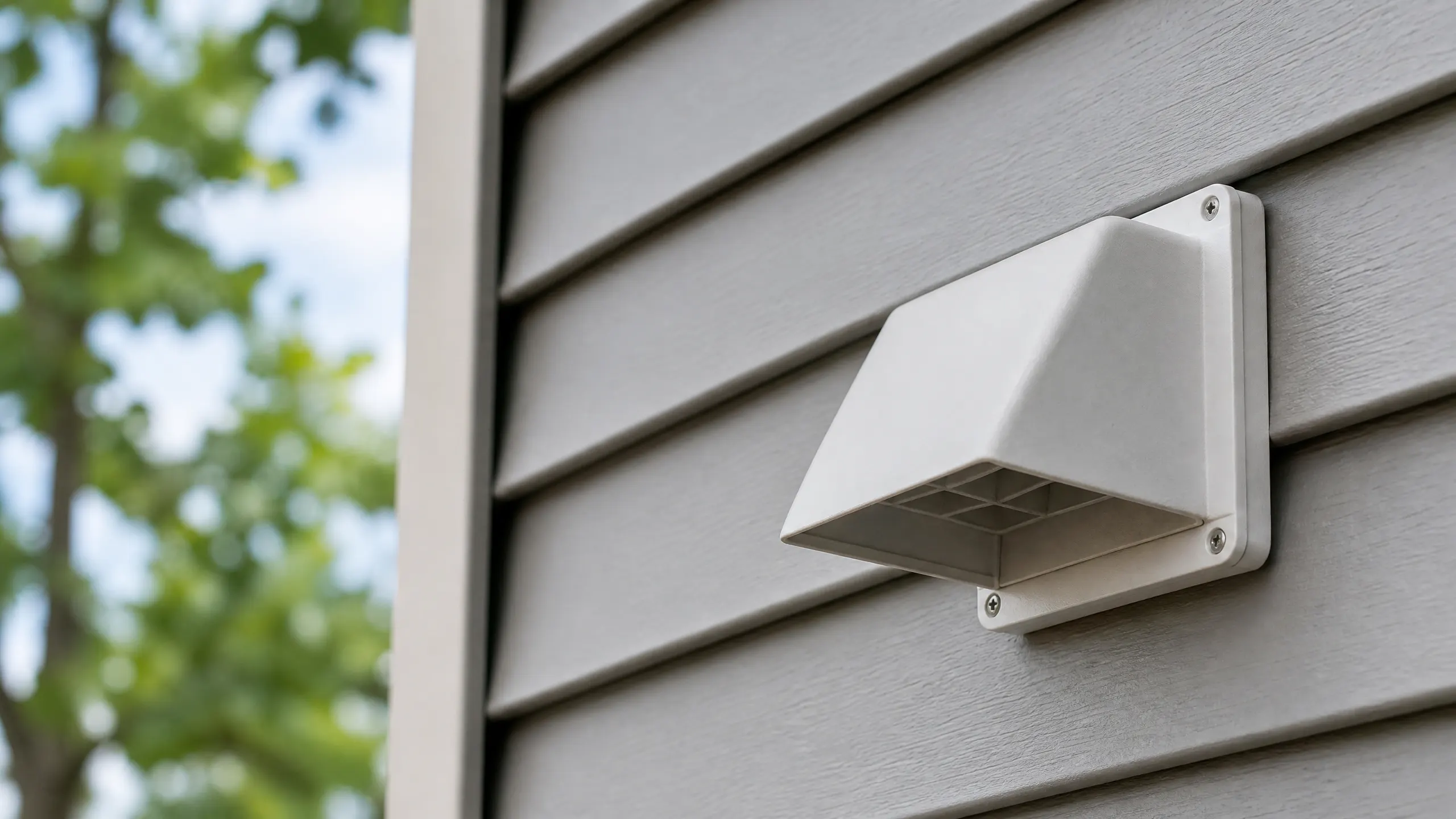
Cold air in the vent turns damp lint into a blockage
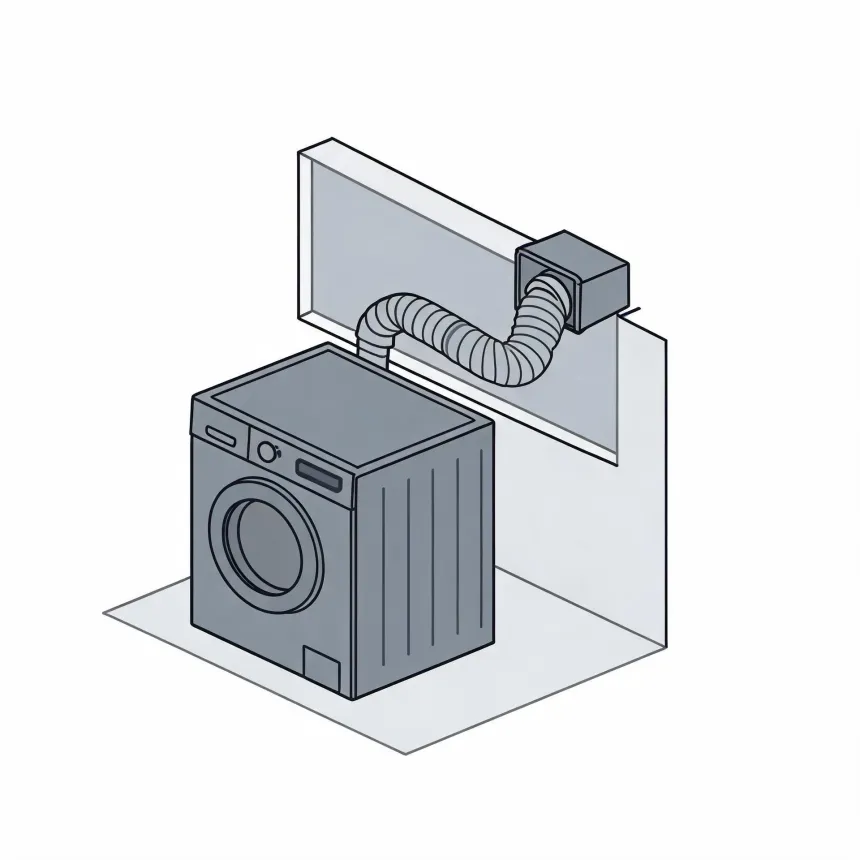
Your dryer pushes out warm, wet air, and outside that vent run, Presque Isle winter nights average 4°F. The air cools fast once it hits that cold metal, and the moisture it's carrying has to go somewhere. Lint sticks to a damp wall far more easily than a dry one, and it builds up layer by layer.
A vent that's narrowing with lint makes the dryer push harder to force air out, and that air has to escape somewhere. Warm, damp air backing up into the wall cavity around the vent is how trouble starts, especially with 10 months of the year spent heating this house.
- 4°F
- the average winter night, and cold vents catch damp lint
- 10 months
- September through June, the vent stays cold
Jan
Feb
Mar
Apr
May
Jun
Jul
Aug
Sep
Oct
Nov
Dec
NOAA nClimDiv, 1991–2020 normals
- How often should a dryer vent be cleaned?
- Once a year is the standard rule. A load that takes longer than usual to dry, or comes out hotter than normal, is telling you it needs attention sooner. Waiting past that point just makes the eventual cleaning a bigger job.
- Can I clean my dryer vent myself?
- You can clean the section between the dryer and the wall yourself, and that part is worth doing regularly. The rest of the run, especially where it goes through the wall and out to the vent hood, is harder to reach and easy to damage with the wrong tool. A contractor has the brushes and rods to clean the full length without tearing the ductwork.
- What are the signs of a clogged dryer vent?
- Clothes coming out hot to the touch but still damp is the clearest sign. Others include a burning smell during the cycle, the dryer running hotter than usual, or lint collecting around the outside vent hood instead of blowing clear. If you notice more than one of these, have the vent checked before running the dryer again.