
What Maine homes are up against.
NOAA National Centers for Environmental Information, Storm Events Database, bulk CSV export, events 2015-01-01 through 2024-12-31. · U.S. Census Bureau, 2020-2024 American Community Survey 5-Year Estimates

A furnace or boiler in Maine spends most of the year working, not resting. Homes in Maine run heat about nine months a year, from September through May. That much cycling puts real hours on the burner and the ignition system, hours a unit in a milder state would not rack up. A part that is already marginal, a cracked heat exchanger or a sensor going out of calibration, does not get months of idle time to sit quietly and go unnoticed. It gets asked to fire again and again, and a long heating season is exactly the condition that finds a weak component instead of letting it coast.

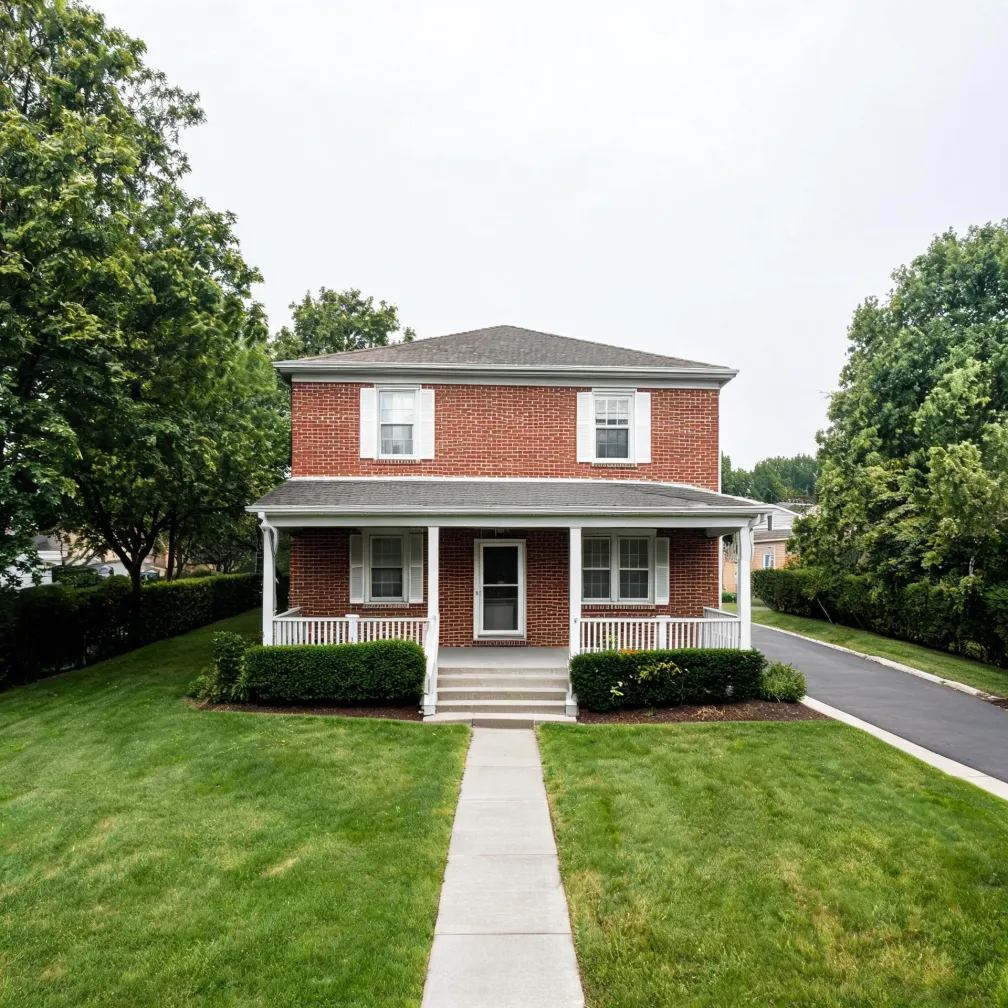
Before a new furnace or heat pump goes in, a contractor has to look at what is already feeding it. The ducts running through the house may be sized for a different kind of system than the one going in, and the electrical panel may not have room for another circuit without a closer look. Half the homes in Maine were built in 1977 or earlier (2020-2024 ACS 5-year). That is why a contractor walks the house before recommending a unit. They check the duct runs, open the panel, and confirm what the existing wiring can handle before anything gets specified.
How does your Maine county compare on severe weather?
2015–2024 · Source: NOAA National Centers for Environmental Information, Storm Events Database.
A county with a heavier storm record means the equipment sitting outside a home has more to contend with. Wind can rock a condenser on its pad, driven rain and ice can work into the cabinet, and debris can block the coil from pulling in air. Have a contractor check where the outdoor unit sits, how firmly it is anchored, and the condition of the unit itself.