
HVAC Installation in Calais, ME
Tell us about the house, and a licensed contractor who covers Washington County will get in touch.
Tell us about the job
It takes about a minute.
Nine months of heat, and winter nights near zero
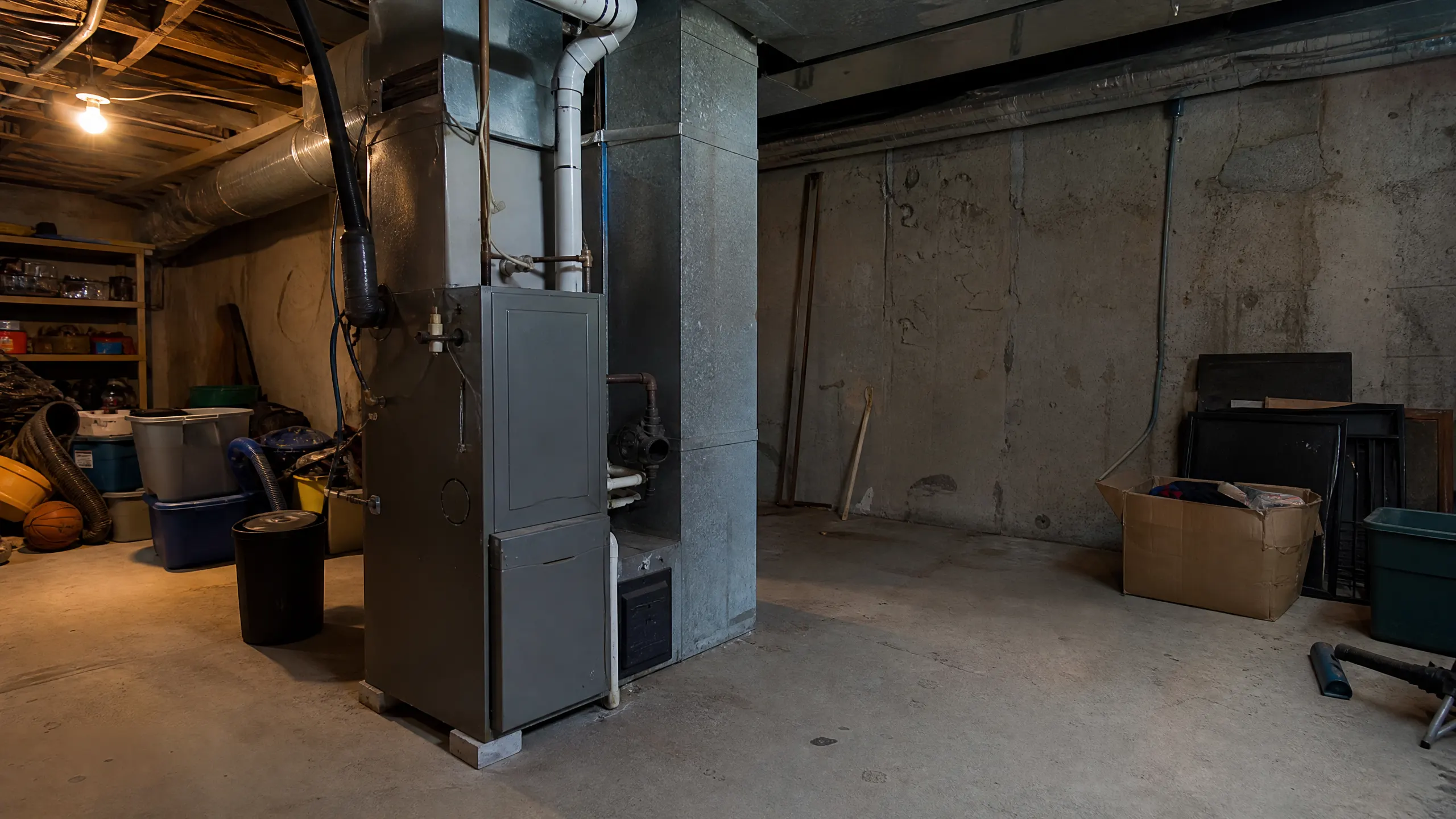
Winter nights in Calais average 14°F from December through February, and homes here need heat from September through May. That is nine months a year the heating side of a new system has to work, against real cold, not a mild chill. Summer afternoons only average 76°F, so the cooling side has an easy job by comparison, but a new system still has to be sized right for both.
Most homes in the area heat with fuel oil, and a lot of them will lose power at some point. More than half of Maine households went at least a day without power in 2024, and the county has logged 128 winter storms and 67 damaging wind events over the past ten years. A new heating and cooling system here has to hold up through storms as much as through cold.
- 9 months
- September through May, your system heats
- 14°F
- the average winter night it heats against
- 76°F
- the average summer afternoon it cools against
- When should I replace my HVAC system?
- Once your furnace starts needing repairs more than once a season, replacing it makes more sense than fixing it again. Watch for uneven heat between rooms, a furnace that runs longer to reach the same temperature, or a rise in fuel oil use. With winter lows here averaging 14°F and heat needed from September through May, a furnace that is already struggling gets tested hard for most of the year. If yours is showing those signs before the cold sets in, that is the time to plan a replacement.
- Should I replace my furnace and air conditioner at the same time?
- Homes here run on heat, not air conditioning, since cooling is not needed and heat is needed nine months of the year, September through May. That means most of what wears out is the furnace, and there is no real case for replacing an air conditioner alongside it unless it is already failing on its own. If your home does have central air and both units are old, a contractor can look at each one separately and tell you whether replacing them together makes sense for your equipment.
- What happens during an HVAC installation?
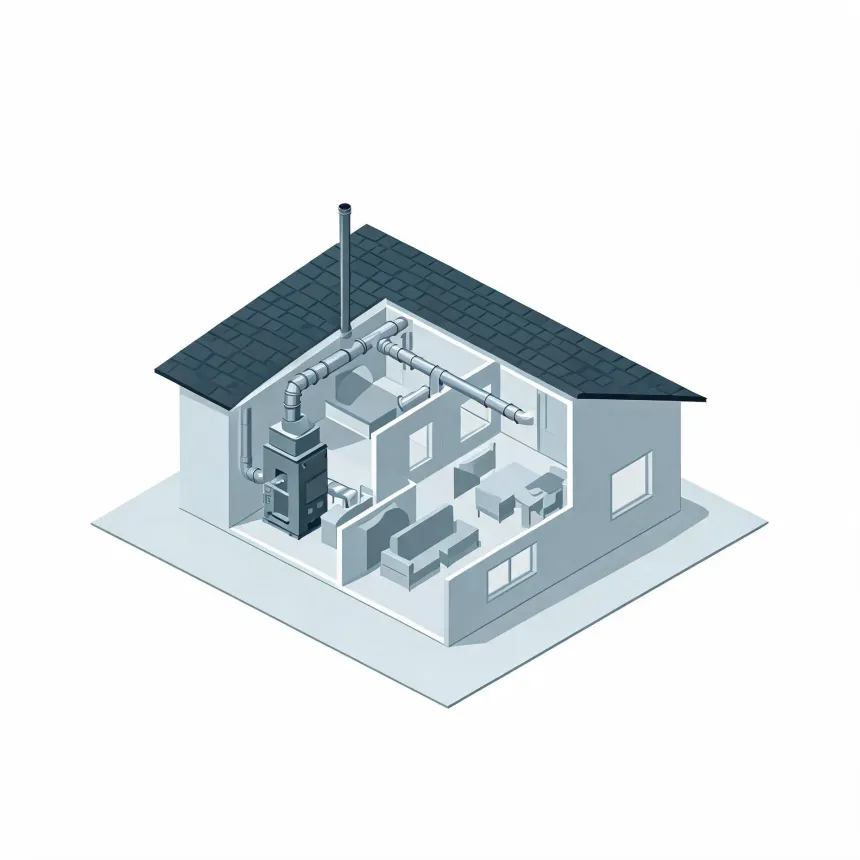
- A contractor removes the old furnace, sets the new one in place, and connects it to your ductwork, gas or oil line, and venting. They check the vent hood and flue for a proper draft, since a furnace that cannot vent correctly is a hazard, not an inconvenience. Once it is wired and connected, they fire it up, check for correct airflow and temperature rise, and test the safety controls before they leave. The exact steps depend on your furnace type and your ductwork, so a contractor looking at your setup can walk you through what your installation will involve.