
HVAC Repair in Bangor, ME
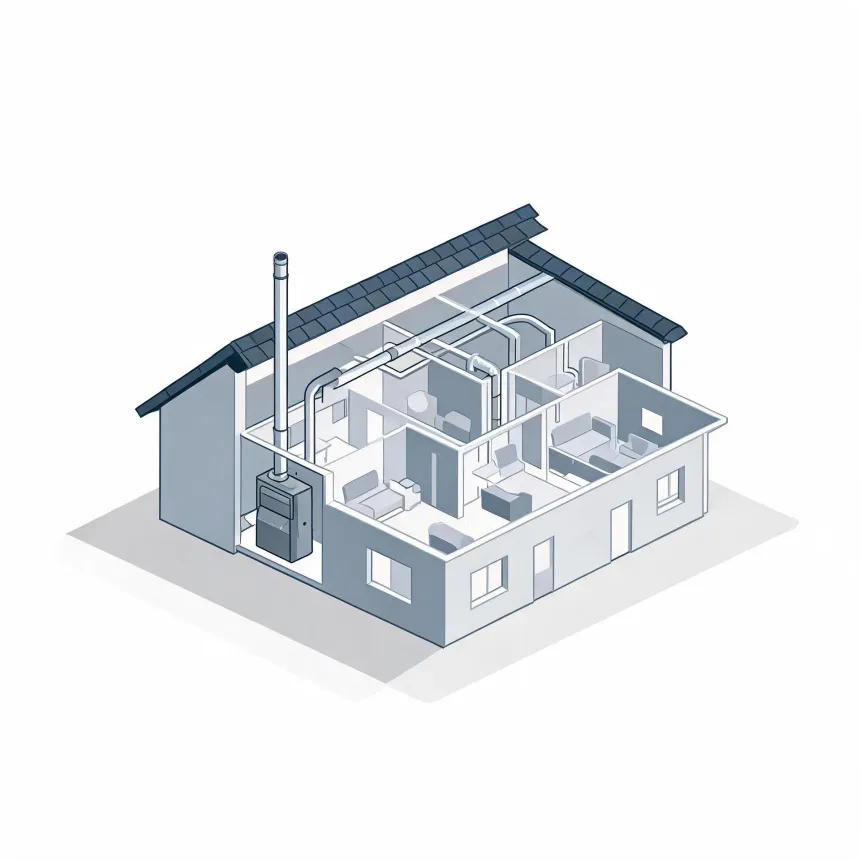
Homes here need heat from September through May and cooling from July through July. If your system quits, tell us what it's doing and a licensed contractor who covers Penobscot County will get in touch.
Tell us about the job
It takes about a minute.
Nine months of heat, and not much room for error
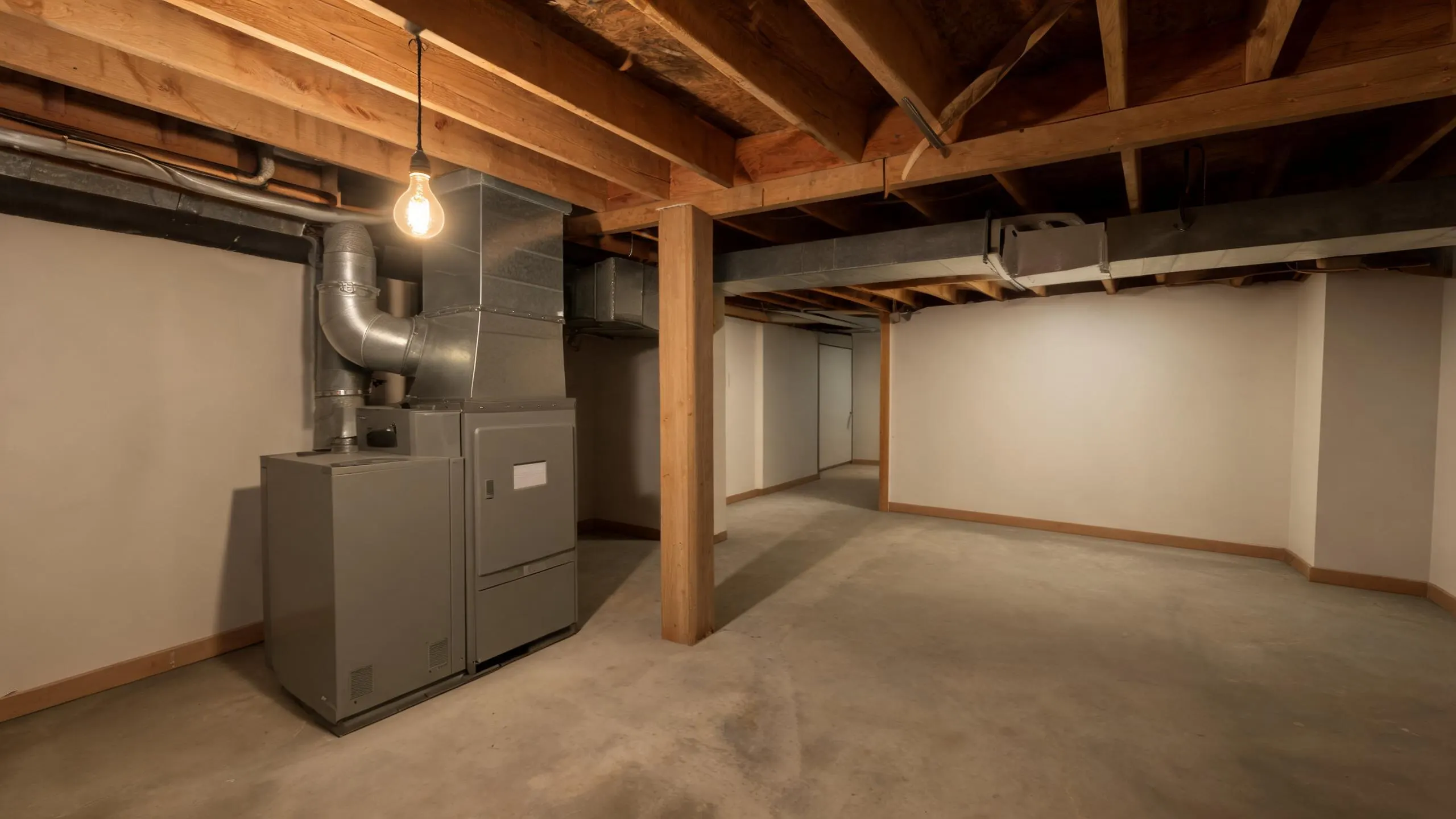
Your furnace in Bangor runs from September through May. On winter nights that average 10°F, it fires again and again to keep the house warm, and every start puts wear on the igniter and the burner. When one of those parts finally gives out, it happens in the cold, not in a season that can wait.
More than half the homes here heat with fuel oil, so the burner and its nozzle take that wear directly. A furnace still needs electricity to run its blower and controls no matter what fires the burner, and across Maine, 54% of households lost power for at least 24 hours in 2024. A storm can take the heat down along with the lights. Summer asks less of the system, with afternoons averaging 77°F, but the furnace still has to start right the next time it turns cold.
- 9 months
- September through May, your system heats
- 1 months
- July through July, it cools
- 10°F
- the average winter night it heats against
- 77°F
- the average summer afternoon it cools against
NOAA nClimDiv, 1991–2020 normals
- Why is my heat not working?
- Start with the thermostat and the power to the furnace before you assume the worst. Check that it's set to heat and a few degrees above room temperature, then check the breaker and any switch that looks like a light switch near the unit, since that's the furnace's power switch. If it's fuel oil, a burner that won't fire can mean you're low on oil or the nozzle is clogged. At 10°F outside on a winter night, a furnace that's short cycling or blowing cold air needs a contractor soon, not a wait and see.
- Why is my system running but not cooling the house?
- If the blower is running but the air isn't cold, check the filter first. A clogged filter starves the coil of airflow, and ice can build up on it, which shuts down cooling entirely even though the fan keeps going. Also check the outdoor unit for anything blocking it, leaves, grass clippings, a fence too close. If the filter is clean and the outdoor unit is clear, the system may be low on refrigerant, and that's a contractor's diagnosis, not something to guess at.
- What can I check before calling for HVAC repair?
- Check the thermostat settings and batteries first, since a dead battery or a setting bumped by accident causes more no-heat and no-cool calls than people expect. Check the breaker panel for anything tripped. Check the filter, a dirty one restricts airflow enough to shut a system down on its own. If it's a gas furnace, look for a reset button on the unit itself, some have one you can press once. Past that, a contractor will need to look at it directly, especially with an oil furnace or anything involving refrigerant.