
HVAC Repair in Rockland, ME
Homes here need heat from September through May and cooling from July through July. If your system quits, tell us what it's doing and a licensed contractor who covers Knox County will get in touch.
Tell us about the job
It takes about a minute.
Nine months of heat, one month of cooling
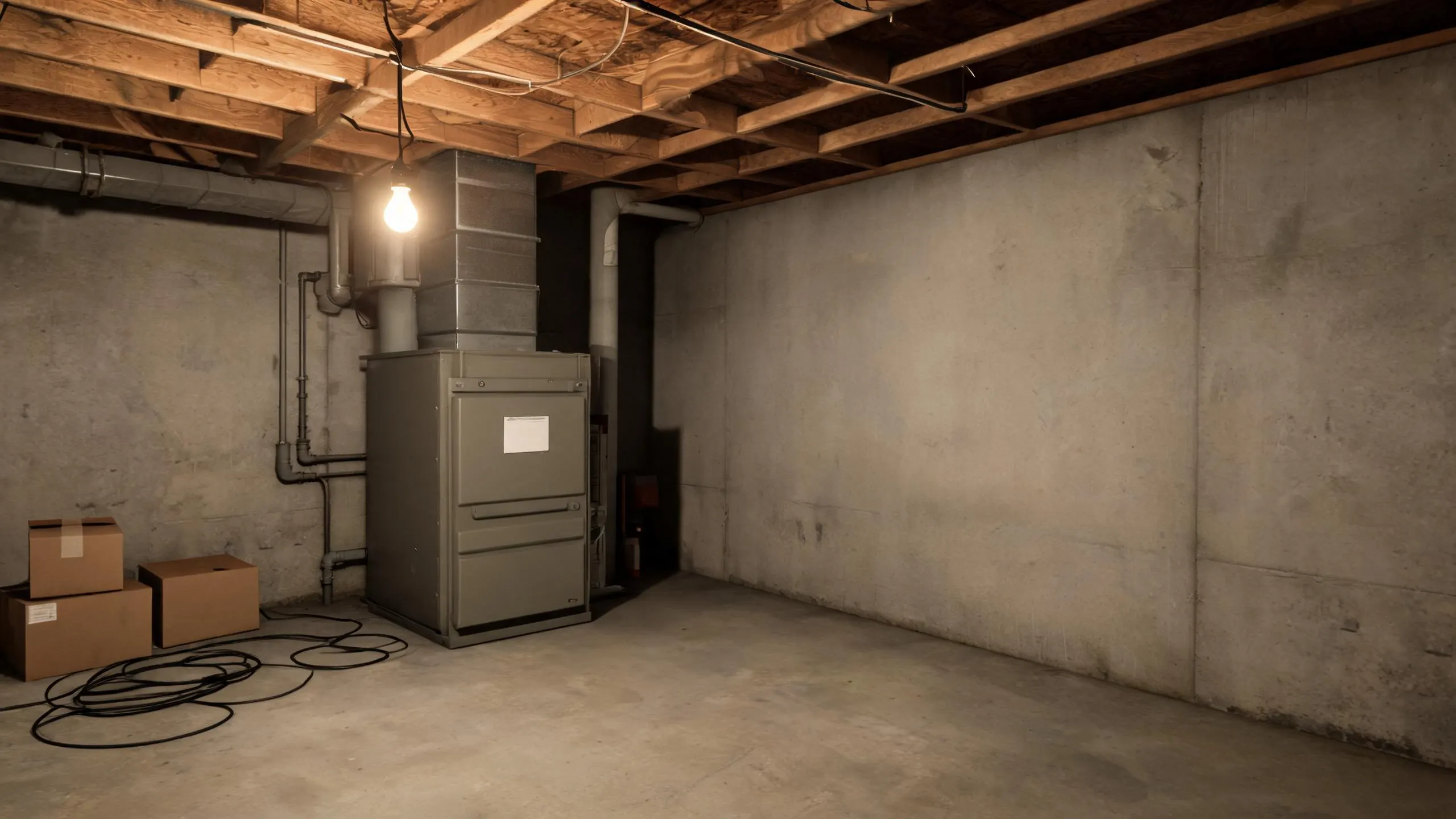
Rockland needs heat from September through May. On winter nights that average 16°F, the furnace runs for hours at a stretch, and the parts that start it and keep it burning take the wear. More than half the homes here heat with fuel oil, so the burner, the nozzle, and the ignition system are the parts most likely to give out when the cold sets in.
Summer only asks for a month of cooling, with afternoons averaging 74°F. A system here spends nearly all its life heating, not cooling, and that uneven load shows up as a furnace working hardest right when a storm moves through. The area has logged 45 winter storms and 18 damaging wind events over the past ten years, and more than half of Maine households lost power for a day or more in 2024. Most furnaces start back up on their own once power returns. One already worn from a long heating season is the one most likely to need a repair call after.
- 9 months
- September through May, your system heats
- 1 months
- July through July, it cools
- 16°F
- the average winter night it heats against
- 74°F
- the average summer afternoon it cools against
NOAA nClimDiv, 1991–2020 normals
- Why is my heat not working?
- Start with the thermostat and the power to the furnace, since those cause more no-heat calls than a broken part does. Check that the thermostat is set to heat and the temperature is above room temperature, and check the breaker and any power switch near the furnace. If those are fine, listen for what the furnace does when you turn up the heat. A furnace that tries to start but shuts down after a few seconds often has a dirty flame sensor or a failing igniter, and that's a job for a contractor. Most homes here heat with fuel oil, so an empty tank is also worth ruling out before anything else.
- Why is my system running but not cooling the house?
- If the blower is running but the air coming out isn't cold, check the air filter first. A filter clogged enough can starve the coil of airflow and cause it to ice up, and once that happens the system can run for hours without cooling anything. Check the outdoor unit too. If the outdoor fan isn't spinning or the coil is covered in leaves or ice, the system can't move heat outside no matter how long it runs. If the filter is clean and the outdoor unit looks normal, the system likely needs a contractor to check refrigerant charge, since that's not something a homeowner can measure or add safely.
- What can I check before calling for HVAC repair?
- Check the thermostat settings, the breaker or power switch, and the air filter before anything else. A lot of calls turn out to be one of those, with nothing actually broken. Look at the filter and replace it if it's gray or clogged, since restricted airflow can make a furnace or air conditioner behave like it's failing when it isn't. If the system runs but the air isn't warm or cold, or if it won't start at all after checking power and the thermostat, that points to a part that needs a contractor to diagnose. Storms here knock out power often enough that it's worth checking whether a breaker tripped during an outage, even if the lights are back on now.