
Furnace Installation in Ellsworth, ME
A new furnace here will run from September through May every year. Tell us about the house, and a licensed contractor who covers Hancock County will get in touch.
Tell us about the job
It takes about a minute.
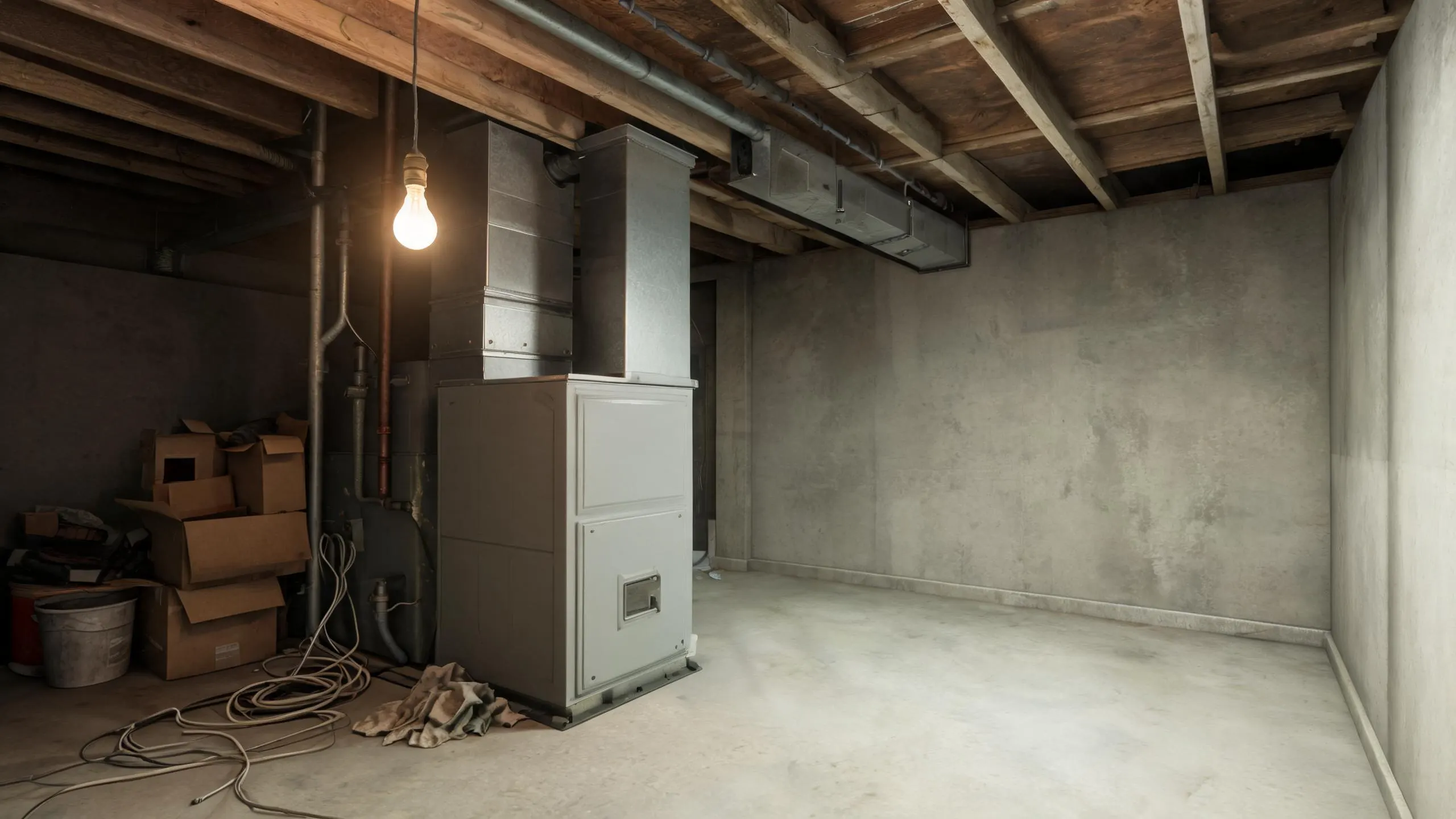
Nine months of heat, and nights that drop to 14 degrees
In Ellsworth, a furnace runs from September through May. That is nine months out of the year, and on winter nights that average 14°F, it runs most of the night to keep up.
Half the homes here heat with fuel oil, and a lot of the rest run on gas furnaces that have to meet a federal minimum of 80 percent AFUE if they were built after November 2015. Maine also sees its share of winter storms, power out for a full day or more in over half of households last year alone. A new furnace here has to hold up through a long season and start again reliably after the power drops.
- 9 months
- September through May, your furnace is on duty
- 14°F
- the average winter night it heats against
- 80% AFUE
- the federal minimum any new unit must meet
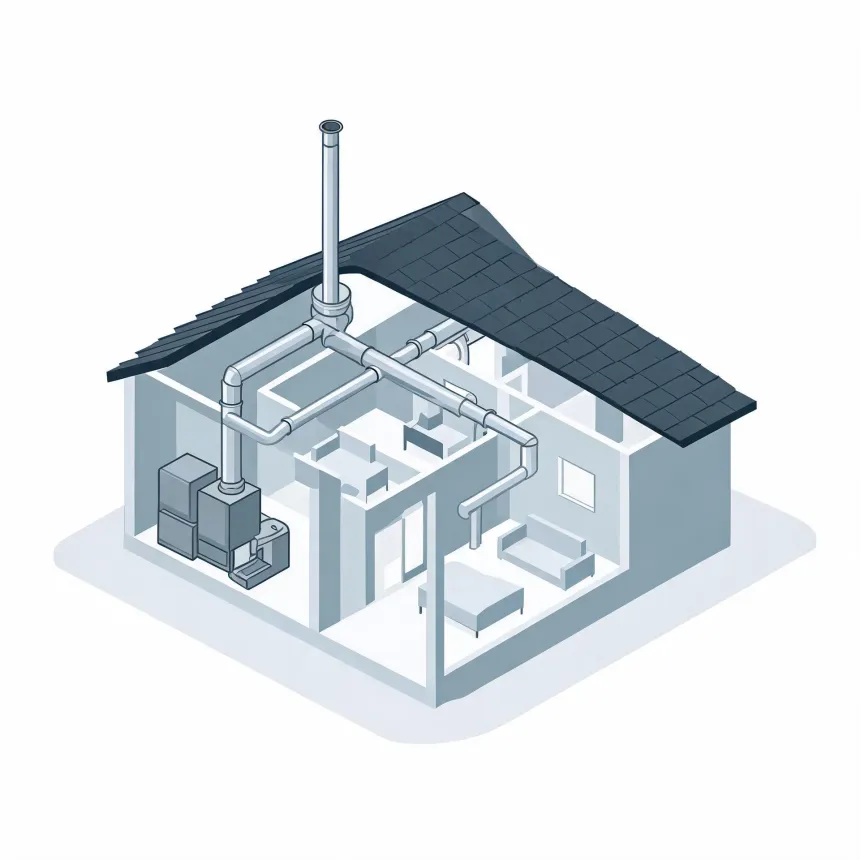
NOAA nClimDiv, 1991–2020 normals
- What size furnace does my house need?
- It depends on your house, not a rule of thumb like square footage alone. A contractor sizes it with a load calculation that accounts for your insulation, your windows, and how the house holds heat when it's 14 below outside, which is about what winter nights here average. A furnace too big cycles on and off and never runs long enough to heat evenly. One too small runs constantly and still can't keep up on the coldest nights. Ask whoever quotes the job to walk you through the load calculation rather than just naming a number.
- How do I know it's time to replace my furnace?
- Age is one sign, especially paired with rising repair calls. Watch for uneven heat between rooms, a furnace that runs longer to hit the same temperature, or a technician who has to keep replacing parts on it. With heat needed here from September through May, a furnace that's struggling has nine months a year to prove it. If yours is old and the repairs keep coming, replacing it before it fails in the middle of a cold snap is worth considering.
- Is a high-efficiency furnace worth it?
- It depends on how much you heat and what you're heating with now. Homes here need furnace heat nine months of the year, so a furnace's efficiency matters more here than in a place with a short winter. Any non-weatherized gas furnace built since November 2015 has to hit at least 80 percent AFUE, so that's the floor, not the top. High-efficiency models go higher than that, wasting less fuel out the flue. About half the homes here heat with fuel oil, and if that's you, ask a contractor what efficiency gains look like for an oil furnace specifically, since the numbers work differently than for gas.