15 to 20 years
That is the working life of most oil furnaces. Past that point, a cracked heat exchanger or a failing igniter becomes more likely every winter you keep it running.

You've had the same oil furnace running for years and lately you're wondering if you're throwing money at repairs instead of putting it toward something that actually works. Maybe it's taking longer to heat the house, or the oil company has been out twice this winter already. With oil heat and electricity both expensive in Maine, you want to know if you're at the point where fixing it again doesn't make sense anymore.
Most oil furnaces last 15 to 20 years. Past that, the heat exchanger and burner components have taken a lot of cycles, and parts for an older model get harder to find. If yours needs a repair call more than once a year, or the repairs keep adding up, that's the same signal. Age matters here because oil furnaces work harder in Maine than in most states. They run for months straight through a Maine winter, and a furnace nearing the end of its life struggles more with that kind of steady demand. If your furnace is still under 15 years old and this is its first real issue, a repair is probably the better call. Past that mark, you're paying to keep an old machine going a little longer.




Your furnace burns oil in a combustion chamber and that heat passes through a metal heat exchanger before the blower sends it through your ducts. Every cycle heats that metal up and lets it cool back down, and over years of that the metal fatigues. Cracks start small, along seams and welds, long before they're big enough to cause trouble you'd notice. Oil doesn't burn as cleanly as gas, so soot collects on the exchanger walls as the furnace runs. That layer acts like insulation in the wrong direction, so the burner has to run longer to push the same heat through to your thermostat. That's why oil furnaces need a cleaning and a new nozzle every year, something a gas furnace never asks for. Two parts tend to go without much warning. The igniter lights the oil spray, and the cad cell sensor confirms the flame is actually burning, and either one failing can shut the whole system down with the house still cold. None of this is really about one part failing. A heat exchanger that's cracked from age can let combustion gases leak into the air your ducts carry through the house, and that's not a repair you want to put off or patch around. Past 20 years, the exchanger in your furnace has been through enough of those heat cycles that replacement is worth weighing seriously.


That is the working life of most oil furnaces. Past that point, a cracked heat exchanger or a failing igniter becomes more likely every winter you keep it running.
An aging furnace burns more oil to hold the same temperature. A new one is sized and installed to heat your home without that creeping cost.


A furnace that's spent fifteen or twenty winters burning oil in Maine has earned a close look. Oil isn't cheap here, and a furnace losing efficiency doesn't tell you with a warning light. It tells you with the bill, and with a house that takes longer to feel warm once the cold settles in for good. You've likely already called someone out once or twice this winter. Each repair buys time, not certainty, and a cracked heat exchanger doesn't wait for a convenient month to fail. Maine summers are mild enough that you won't notice a dead furnace for months, which means the only warning you get is the one you're looking at right now. Sending the request means you're done tracking down who's available and who isn't. That part of it is someone else's job now. What's left is deciding, with a contractor who knows these systems, whether this is the winter you stop paying to keep an old furnace limping along.

The burner fires, catches fast, and settles into a steady sound. Heat comes up through the ducts within a few minutes of the thermostat calling. No burnt oil smell, no soot around the access panel. The basement stays dry near the unit, and the flue draws clean.

The burner fires late, or tries twice before it catches. You notice soot around the panel or a smell that wasn't there before. Rooms that used to warm up fast now take longer, and the oil tank is reading empty sooner than it used to.
You've probably noticed the furnace cycling more than it used to, running ten or fifteen minutes longer to get the house to the same temperature it used to hit fast. Some rooms stay cooler than others no matter how long it runs. You might catch a burnt oil smell near the utility room, or see soot around the access panel that wasn't there before. The burner might take a few tries to catch, or make a rattle or bang on startup it didn't used to make. None of that is normal wear you can ignore indefinitely. A furnace working that hard to keep up is burning more oil to do it, and a cracked heat exchanger can put combustion gas where your family breathes.
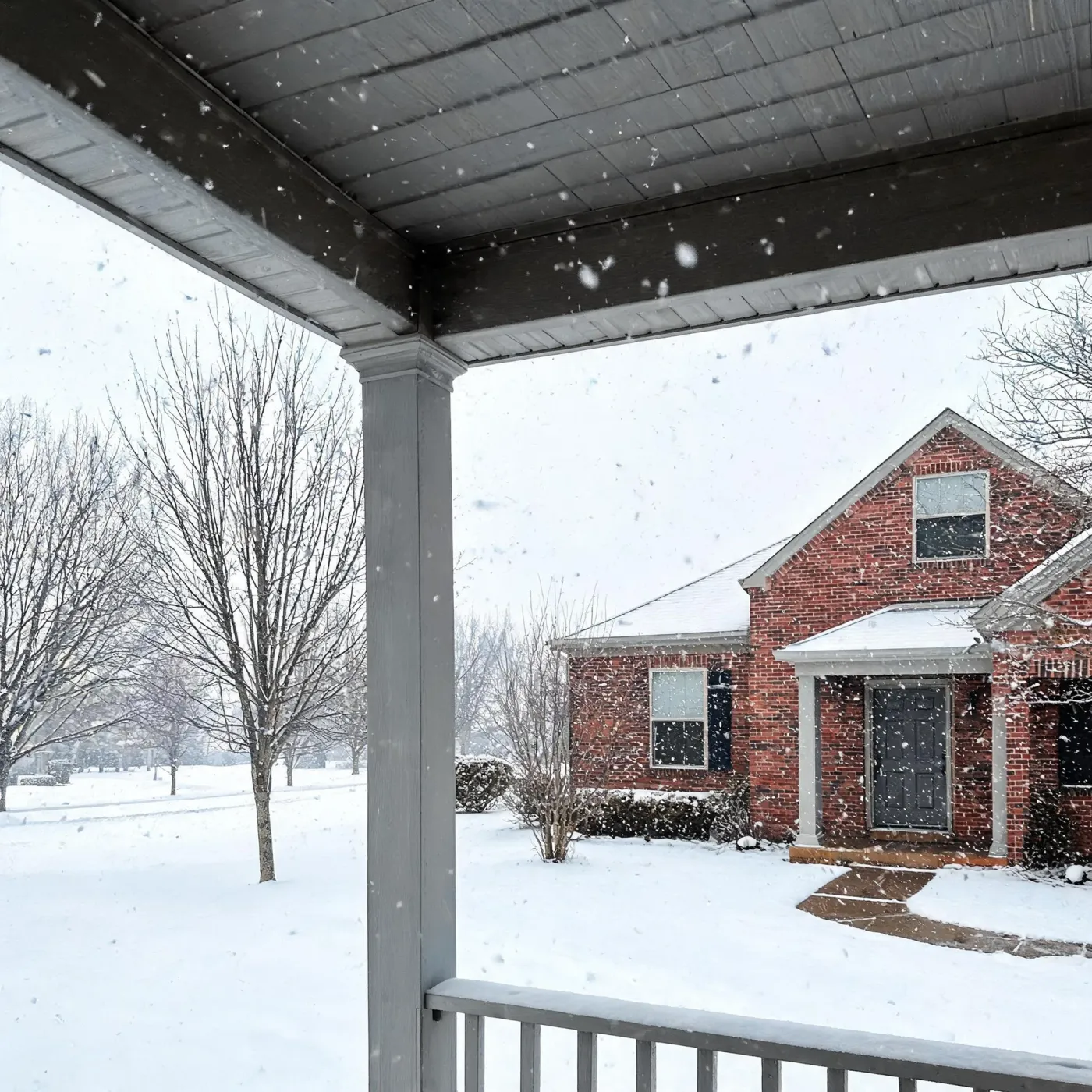
Winter nights average 13°F across Maine, according to NOAA climate data. Your furnace isn't just fighting the daytime chill, it's recovering from hours near that mark before the sun's even up. That's a long burn cycle, night after night, from December through February. An oil furnace in good shape handles that load and still brings the house up to temperature within a few minutes of the thermostat calling. One that's lost efficiency runs longer and longer against that same 13°F, and you'll feel it as a house that's slower to warm and a bill that climbs faster than the temperature drops.
NOAA nClimDiv 1991-2020 county normals weighted by homes
A furnace that's run fifteen or twenty winters on oil, burning more to hold the same temperature, cycling longer than it used to, is telling you what it needs. You don't have to decide tonight whether it's a repair or a replacement. That's a call worth getting from someone who can look at the burner, the heat exchanger, and the ducts and tell you straight what shape they're in. Send the form and the work of finding that person is off your plate. You won't be the one calling around, explaining the same thing three times to three different shops. A contractor who installs oil furnaces in Maine will get in touch, look at what you've got, and tell you where you actually stand before another winter sets in. The furnace won't get better on its own. But figuring out what to do about it doesn't have to be the thing you're carrying around all day.
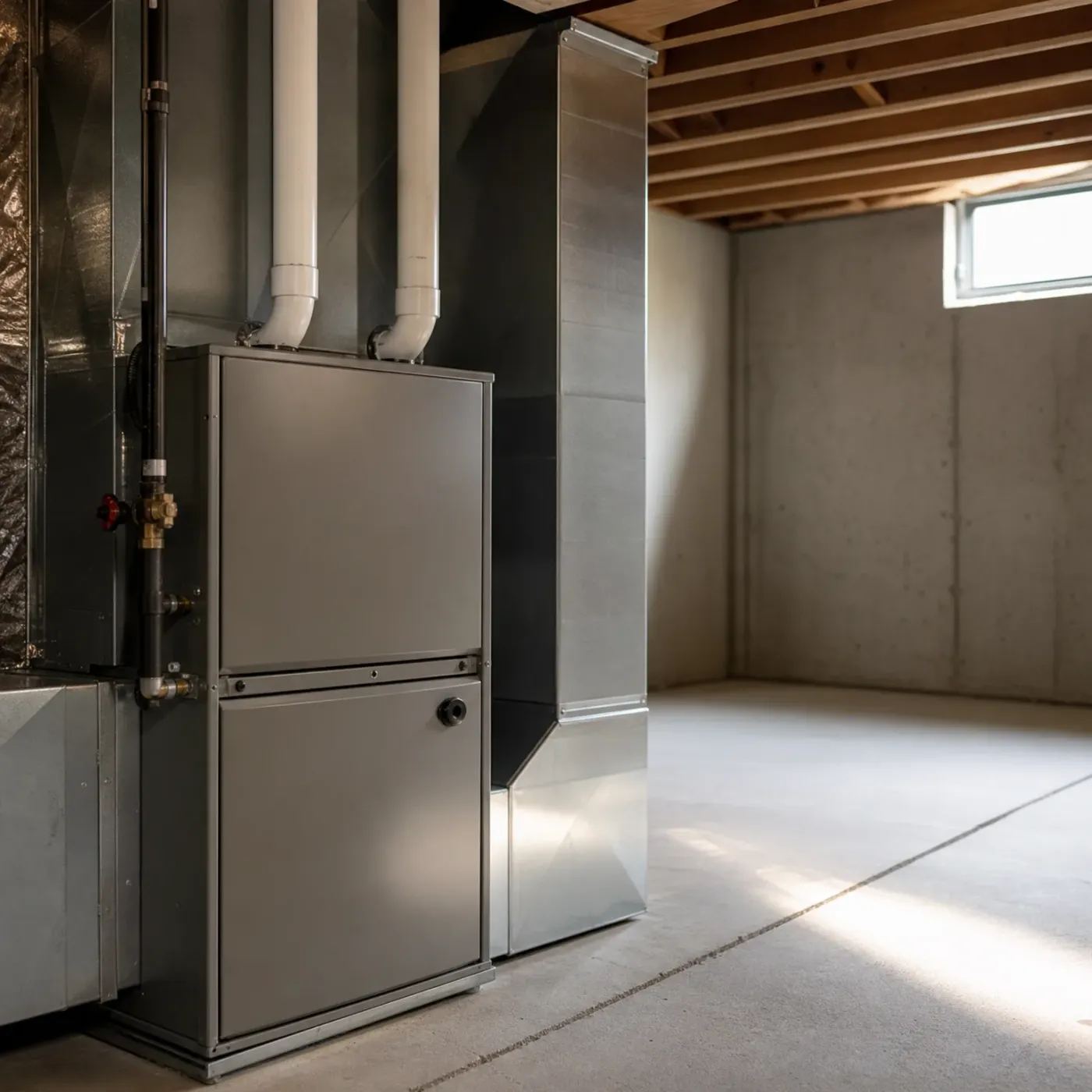
Send the form and the search for an installer is over.
You're not committing to anything by asking.