A gray high-efficiency furnace with two white PVC vent pipes stands beside galvanized sheet-metal ductwork in a dim basement with exposed joists and a concrete floor.

No phone calls to make

Why your furnace filter gets dirty fast in Maine

An oil furnace works that filter harder than a gas one, and a Maine winter keeps it running for months straight. This page gets into what's actually loading up that filter and how often it needs a look. Skip the search for a contractor, the calls, and explaining your system twice. One local contractor who knows oil furnaces gets the details once and takes it from there.

Fill out one form

Your filter is catching combustion byproducts an oil furnace throws off that a gas furnace never would, along with the usual dust, pet hair and whatever's in the air in your house. Oil burns less cleanly than gas, so there's simply more for the filter to trap every time the burner fires. In Maine that burner is firing for months on end once the cold sets in, often October into April, which means the filter is loading up on a schedule most gas furnace owners never see. A filter that might last three months in a gas system can be choking on buildup well before that in an oil one. Once it's clogged, the furnace has to pull harder to move air through it, and that strain shows up as higher power use and less heat getting where you want it. Checking it monthly during the stretch your furnace runs hardest isn't excessive. It's what the equipment actually needs.

A woman in a cream sweater with her hair in a bun laughs while seated at a stone counter holding a glass of red wine, in a dimly lit interior with a sofa, houseplants and a large window at night.
A woman with long dark hair in a cream knit sweater laughs while looking off to the side, seated in front of a dimly lit kitchen with an island, stools, open shelving and a potted plant, with a glass of red wine in the foreground.
A smiling woman with long dark wavy hair in a light knit sweater sits at a marble counter with a glass of red wine, with a dimly lit living room and kitchen in the background.
A smiling woman with long wavy brown hair in a beige sweater sits at a white marble counter with a glass of red wine, with a living room, dining table and kitchen cabinets behind her.

Every time your burner cycles on, it throws a little unburned soot into the air stream before the flame settles in. A furnace running all winter in Maine does that hundreds of times, and the soot is fine enough to work its way into the filter's fibers rather than sitting on top where the airflow could carry it past. Once that happens, the blower has to pull harder to push the same air through, and that extra draw shows up on a power bill that's already steep here. The furnace won't back off to compensate. It keeps calling for the same heat and just works harder to get it. Not every furnace loads up at the same rate either. A nozzle that's worn down or a burner that's drifted out of adjustment puts out more soot than one that's properly tuned, so two furnaces of the same age can need very different filter schedules. Oil also carries more moisture through the flue than gas does, and that dampness is part of why the soot sticks instead of passing through.

Why Oil Soot Clogs Filters Fast

  • An oil burner fires in short cycles all winter, and each start kicks a bit of unburned soot into the air stream before combustion evens out.
  • That soot is finer than household dust, so it packs into the filter's fibers instead of sitting on the surface where airflow would push past it.
  • A clogged filter makes the blower pull harder to move the same air, and that pulls more power at a time when electric rates here already run high.
  • The furnace doesn't ease off when the filter loads up. It keeps calling for the same heat output and just strains to get there.
  • A nozzle that's slightly worn or a burner that's out of adjustment throws off more soot than a properly tuned one, so two identical furnaces can load filters at different rates.
  • Oil furnaces also carry a bit more moisture through the flue than gas ones, and that dampness helps soot cling to the filter rather than blow through.
A gray high-efficiency furnace with two PVC vent pipes stands in an unfinished basement beside sheet-metal ductwork, a framed and plastic-covered wall, and a bare concrete wall with vertical pipes.
A clean filter lets the furnace pull air through evenly, so the burner fires the way it's supposed to all winter.
A gray furnace cabinet in a basement, connected to galvanized sheet-metal ductwork and white PVC pipes, against a concrete wall with exposed metal piping and insulation overhead.
A filter clogged with oil soot chokes the airflow, and the burner on the pallet behind it starts working harder to keep up.

Why does your filter look gray after just a few weeks

Pull the filter and check it against a light. If it's gray or black instead of dust-colored tan, that's soot, not dirt. You might also notice a faint oily smell near the return vent, or more dust settling on furniture than you remember from last winter. Some homeowners see it on their hands after changing the filter, a dark film that doesn't wipe off like regular dust would. Left unchecked through a full Maine winter, that buildup restricts airflow across the burner, and the furnace has to run longer to push the same heat through the house. With power costs what they are here, a furnace working harder than it needs to shows up on the electric bill before anything else.

A gray high-efficiency furnace with two access panels stands in a bare basement corner, connected to sheet-metal ductwork, white PVC vent pipes, and flexible gas and electrical lines.

Soot builds up faster than dust alone

A furnace running from October through April moves a lot of air through that filter, and an oil-fired one loads it with soot on top of the usual household dust. A filter that might run a few months on a gas system can gray out well before that on oil. Checking it monthly through the winter catches the point where it needs changing instead of guessing at a schedule that fits a cleaner-burning furnace.

A gas furnace with metal ductwork, copper and yellow gas piping stands against a wall in an empty room with a bare concrete floor.

A clogged filter costs you on the bill

When the filter chokes down airflow, the burner has to work harder and longer to push heat through the house, and it runs that way for the whole stretch oil heat is needed here. With electricity costing what it does in Maine, that extra runtime shows up on the power bill tied to the blower motor, even though the furnace itself burns oil. A filter changed on time keeps the burner firing the way it was set up to, not fighting restricted air for months.

1-inch Filter or 4-inch Filter

1-inch filter

  • A 1-inch filter has less surface area, so the same amount of oil soot packs it solid faster.
  • On an oil furnace running October through April, a 1-inch filter often needs checking monthly once the burner's cycling hard.
  • It's cheap to replace and easy to find at any hardware store, so swapping it often isn't much of a burden.
  • Because it loads up fast, a missed month can mean the furnace is already pulling air through a half-clogged filter.
  • Airflow drops off sooner with a 1-inch filter, so the burner feels the effect of a dirty filter earlier in the season.

4-inch or 5-inch filter

  • A thicker filter has much more surface area, so it holds more soot before airflow starts to suffer.
  • Most 4-inch filters go three to four months between changes, even with an oil furnace running hard all winter.
  • It costs more per filter and isn't something you'll find at every hardware store, so you may need to order ahead.
  • A furnace needs ductwork sized to take a wider filter cabinet, so not every setup can switch to one.
  • Fewer changes means fewer chances to catch a problem early, so it's worth still pulling it to check between swaps.
A gray furnace cabinet in a basement with sheet-metal ductwork, white PVC vent pipes, and black gas piping against a concrete wall and wood-framed partition on a bare concrete floor.

The furnace moving clean air

This is a furnace pulling air through evenly, the way it runs when the filter and the burner are both doing their job. The ductwork and piping are intact, no rust showing yet, no strain on the blower to push air through a clogged filter.

A gray metal furnace with two white PVC vent pipes stands on a concrete floor beside galvanized sheet-metal ductwork in a basement or utility space with wood framing.

The furnace left too long between checks

Surface rust like this on the cabinet and plenum shows up after years of running, and a filter nobody checked regularly lets soot and moisture sit against the metal instead of passing through. A furnace tech who works on oil systems all winter knows what that buildup looks like before it gets this far.

A bearded man in a dark navy sweater over a collared shirt smiles and looks off to the side while seated at a dinner table with a glass of red wine, a lit candle, and a plate of food in the foreground of a dimly lit room.
A woman in a dark gray sweater reclines on a couch with her eyes closed and a knit blanket over her lap, an open book resting face-down in front of her, with a lit table lamp and shelving blurred in the background.
A gray high-efficiency furnace with two white PVC vent pipes stands against sheet-metal ductwork in an unfinished basement with concrete floor and walls and exposed wood joists.

One form, no calling around

A licensed local pro takes the request for your furnace tune-up.

Fill out one form instead of calling around for a furnace tune-up.

Skip the search

No fee to send it, and nothing to sign.

An older metal furnace with a louvered front panel stands against a concrete basement wall, connected to sheet-metal ductwork and a flue pipe, with copper and steel pipes running alongside.
Before you get your furnace maintenance
A beige high-efficiency furnace stands on a concrete basement floor beside sheet-metal ductwork, with white PVC vent pipes and a gas line running along an insulated wood-framed wall.
After you get your furnace maintenance
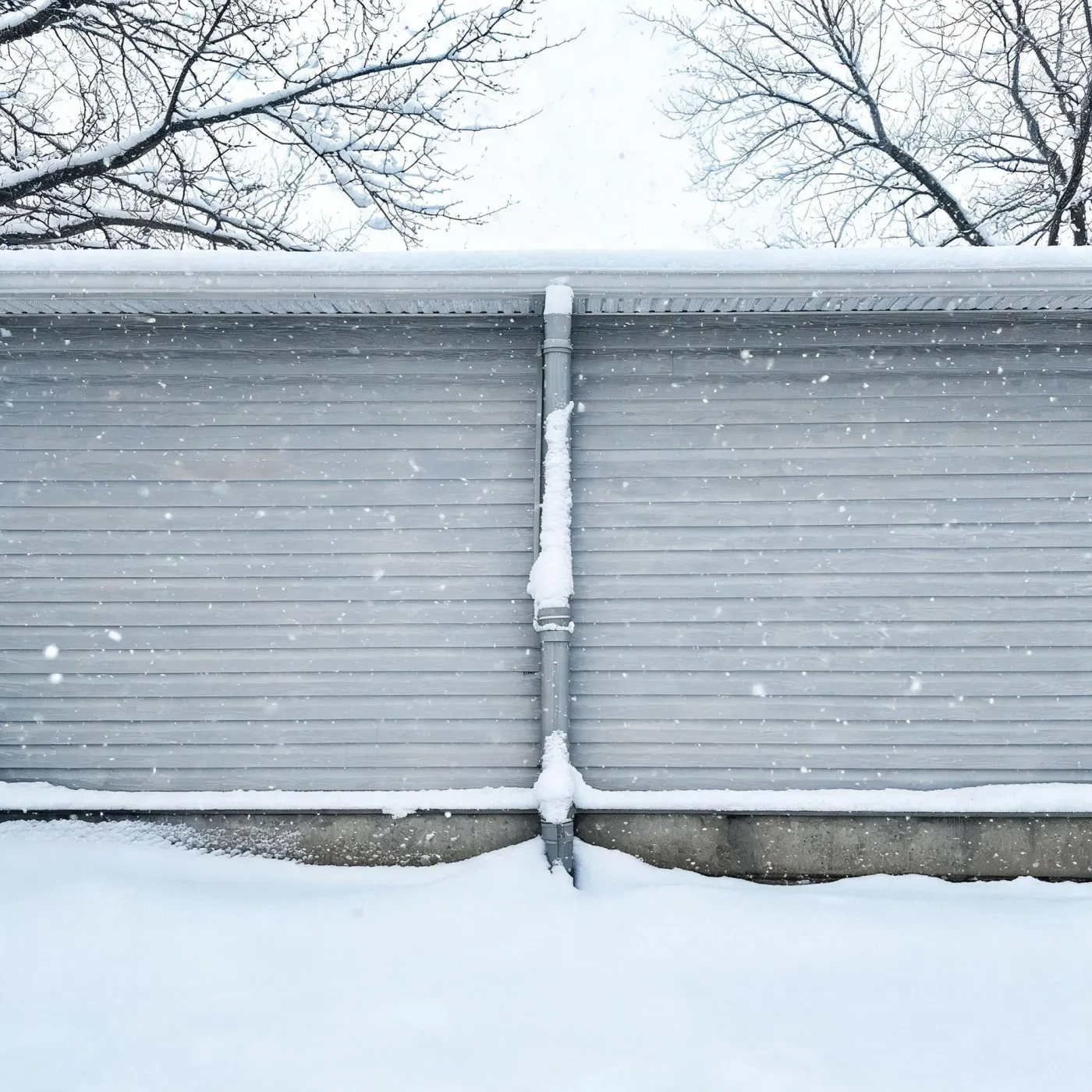
Exterior of a gray horizontal-lap-sided building with a snow-covered roof edge and a central downspout, seen during falling snow with deep snow on the ground and bare tree branches above.

Winter nights statewide average 13°F, per NOAA. That kind of cold keeps your furnace firing most of the night instead of a few short cycles, and every one of those extra starts is a small puff of soot heading for the filter. The colder it gets outside, the more the burner has to work to keep up, and the faster that filter goes from tan to gray. On the coldest stretches, you may notice the furnace running longer before it shuts off, which means more air, and more soot, moving through the filter than it saw in a milder week.

NOAA nClimDiv 1991-2020 county normals weighted by homes

Does the furnace filter's MERV rating matter for an oil furnace?

You've seen filters rated MERV 8, MERV 11, even MERV 13 at the hardware store, all promising to catch more. With an oil furnace loading the filter with soot on top of everything else, it's fair to wonder if a higher rating actually helps, or if it just means more trouble.

A higher MERV rating catches more soot, but only if the blower can still pull air through it

A MERV 8 filter is the common choice for most oil furnaces, and it catches the soot and dust that matter for the equipment. Going higher, to MERV 11 or 13, traps finer particles, but the denser material also resists airflow more. On a furnace already working against a filter loading up with soot, that extra resistance can strain the blower rather than help it. If you want a higher rating, check what the furnace manufacturer specifies as the limit. The filter slot and the furnace were sized together, and a rating higher than what it calls for can do more harm than the soot it's catching.

A furnace in a dim basement with a dirty pleated air filter partially pulled out of its slot, beside a water heater and concrete walls and floor.

October light is already thin by four in the afternoon, and the basement runs on the bare bulb over the furnace. You've got the filter half pulled from its slot, and it stops you for a second. It's gray clean through, not the tan dust color you'd expect, and when you tilt it toward the bulb you can see how packed the fibers are. The burner clicks off behind you, done with another cycle. You set the filter on top of the furnace and stand there a moment, thinking about how many nights are still ahead before April, and how this one's not making it to Thanksgiving.


Winter nights average 13°F statewide

At 13°F, your furnace isn't cycling on and off, it's running long stretches just to hold the house steady. Long runs mean more hours of soot passing through that filter, not just more starts. A filter that looked fine at Thanksgiving can be packed solid by January.

NOAA nClimDiv 1991-2020 county normals weighted by homes

  1. Oil sprays into the burner as a fine mist, not a stream.

  2. An electrode sparks and ignites that mist inside the combustion chamber.

  3. Combustion isn't perfect, so some soot escapes before it evens out.

  4. The blower pulls return air, and that soot, across the filter.

A closed dark laptop and a ceramic mug of coffee on a wooden dining table, with wooden chairs, a dark kitchen cabinet with cutting boards and a potted plant, and a leafy plant by a window in the background.

An oil furnace needs more eyes on that filter, plain and simple

Your filter is working against soot, not just dust, every hour that burner runs. That's the whole answer. Check it more than you would on a gas system, especially once the cold sets in and the furnace starts running long stretches instead of short cycles. Gray or black means soot. Change it before the blower has to strain.

A maintenance visit gets a local contractor looking at the burner itself, the part that decides how much soot you're dealing with in the first place, not just the filter catching it. That beats hunting around for someone to call, waiting on quotes from a few different companies, and explaining the same thing about your furnace three times over. One contractor who works on oil furnaces all winter in Maine already knows what tends to go wrong by January.

A living room corner with a beige sofa and cushion, a round wooden coffee table holding a pale ceramic vase of eucalyptus stems and a wooden bowl, and a curtained window with a potted plant above a latticed radiator cover in the background.
A dimly lit unfinished basement with concrete walls and floor, exposed floor joists, a small window at left, and a dark furnace with PVC venting and sheet metal ductwork at right.

Skip the search

Your request goes to one pro, not a list of companies.

Tune-up, service, or cleaningFurnace or heatingMaine
Step 1 of 2

What ZIP code is the job in?