
AC Maintenance in Bath, ME
Air conditioners here run from July through August, so June is the time for a tune-up. Tell us about your system, and a licensed contractor who covers Sagadahoc County will get in touch.
Tell us about the job
It takes about a minute.
Two months of work, then a long rest
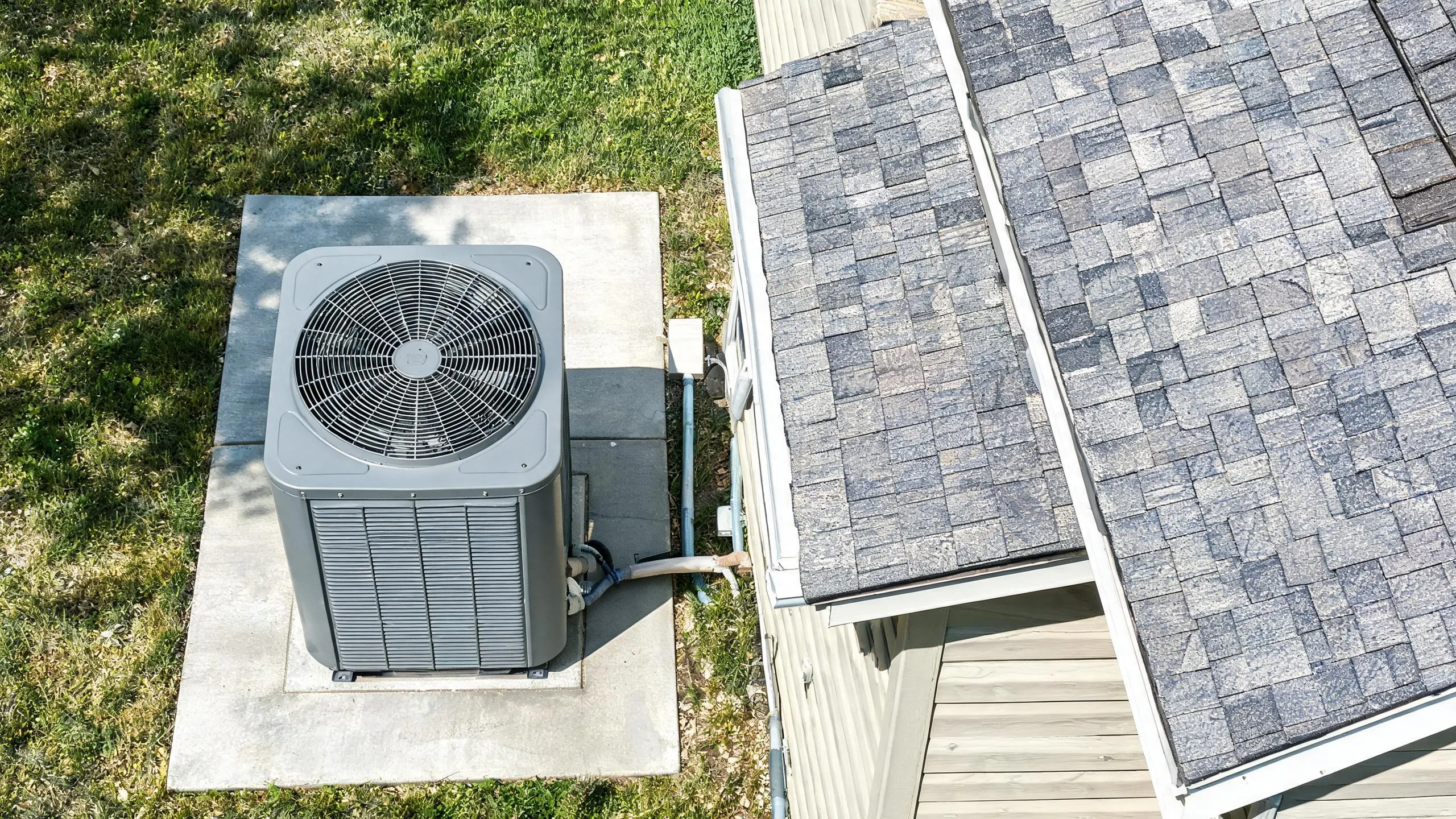
Your air conditioner in Bath only has to earn its keep in July and August, when afternoons average around 76°F. The rest of the year it sits shut down.
That long idle stretch is when problems set in quietly. A contactor can stick, a capacitor can weaken, a refrigerant line can develop a slow leak, and none of it shows itself until the first warm day asks the system to run. A tune-up before summer catches those things while the unit is still off, so the first hot afternoon is not the day you find out something failed over the winter.
- 2 months
- July through August, your air conditioner is on duty
- 76°F
- the average summer afternoon it cools against
- 24 wind events
- in ten years, and wind drives debris into outdoor units
NOAA nClimDiv, 1991–2020 normals

Book your AC tune-up in June, before homes here start needing cooling in July.
- Jan
- Feb
- Mar
- Apr
- May
- Jun
- Jul
- Aug
- Sep
- Oct
- Nov
- Dec
A tune-up checks the refrigerant charge, cleans the coils, tests the capacitor and tightens the electrical connections.
- What does AC maintenance include?
- A technician checks refrigerant pressure, cleans the condenser coil, tests the capacitor, and inspects the electrical connections. They also check the thermostat calibration and make sure the condensate drain is clear. The filter gets checked too, since airflow across the coil affects how well the system cools.
- How often does an air conditioner need maintenance?
- Once a year, ideally before the weather turns warm. Here, that means getting it looked at before July. With only two months of real cooling need, one visit in late spring covers the season.
- Is AC maintenance worth it?
- Yes, because it catches small problems before they turn into breakdowns. A dirty coil or a weak capacitor still lets the system run, just poorly, and that shows up as higher bills or a unit that struggles to keep up on the hottest afternoons. With summer highs here averaging 76°F, most systems aren't pushed hard, but a yearly check still catches wear before it becomes a repair call.