
Furnace Repair in Bath, ME
Furnaces here run from September through May. If yours quits, tell us what it's doing and a licensed contractor who covers Sagadahoc County will get in touch.
Tell us about the job
It takes about a minute.
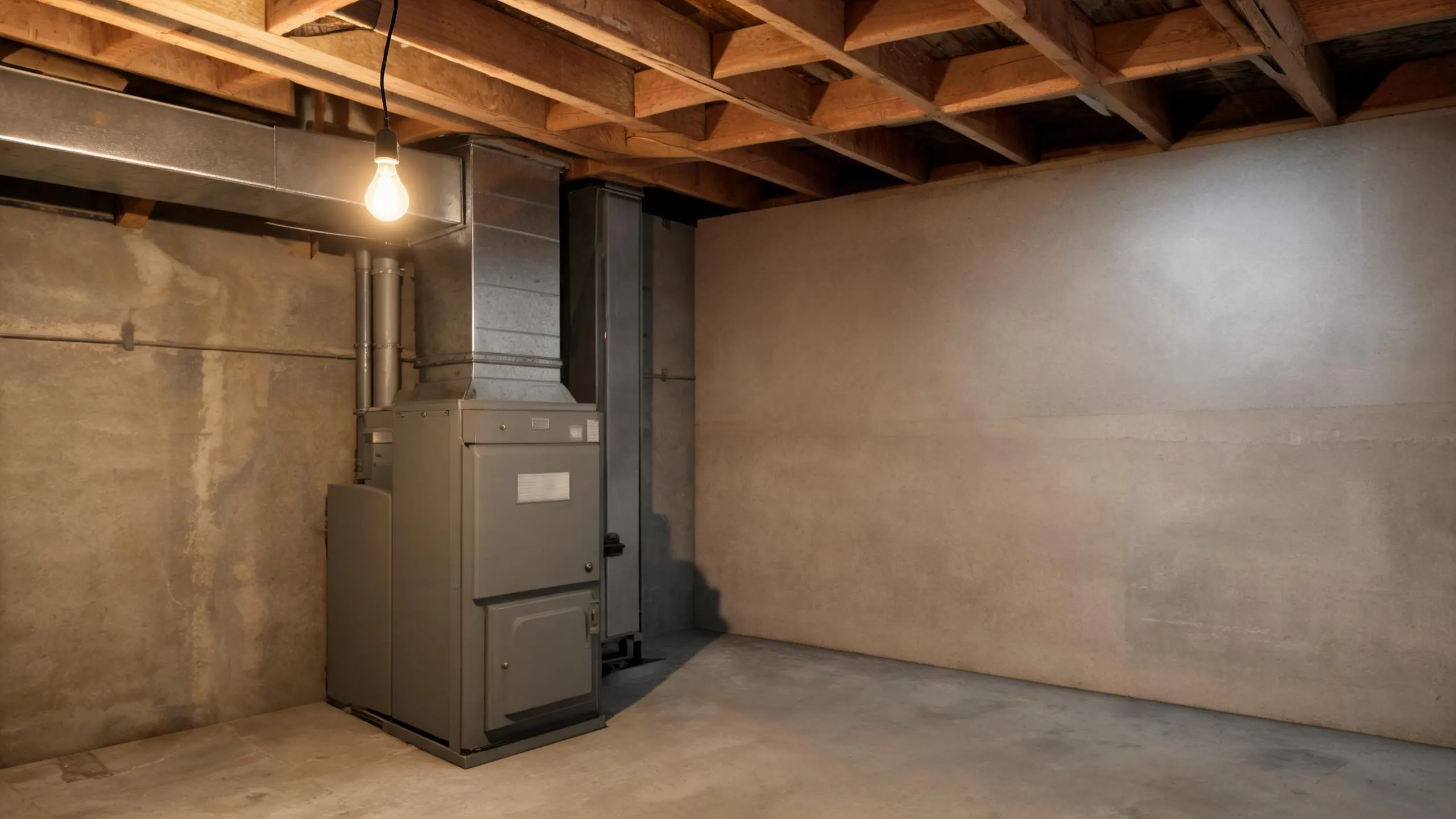
Nine months of heat, and nights near 16 degrees
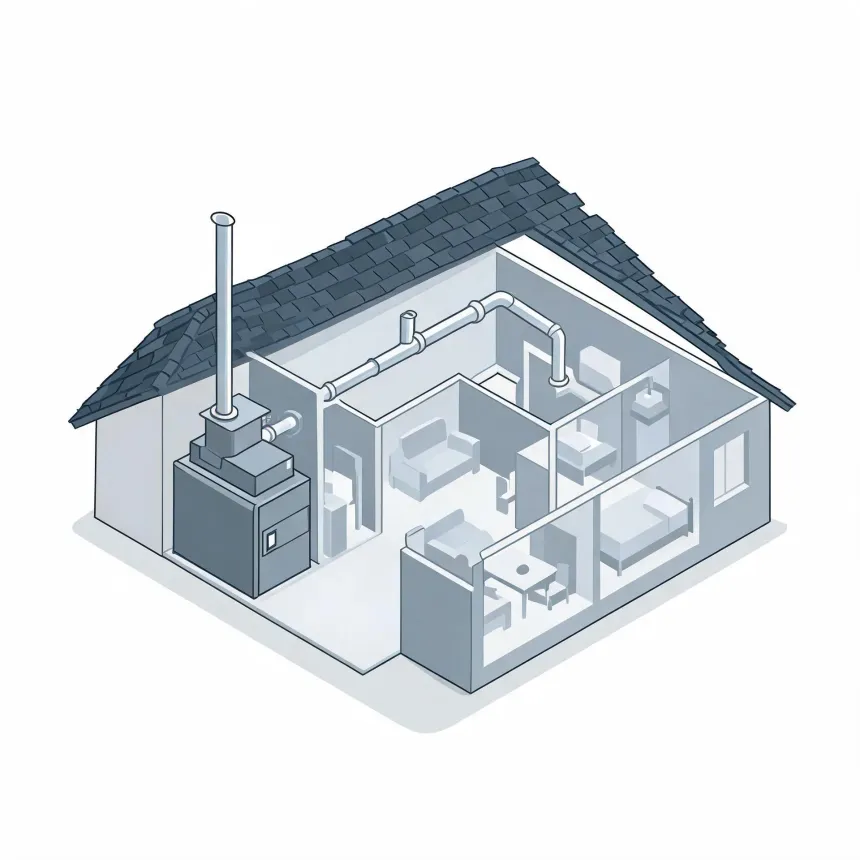
In Bath, a furnace runs from September through May. On winter nights that average 16°F, it has to hold that heat for hours at a stretch, and the burner cycles on and off again and again to do it. Over a season, that adds up to a lot of ignition cycles on parts that only have so many in them.
More than half the homes here heat with fuel oil, which means a furnace that depends on a clean nozzle and a working igniter or oil burner motor to get a fire started at all. When one of those parts wears out, the furnace won't light, and with lows in the teens, that shows up fast. Sagadahoc County has also seen 40 winter storms and 24 damaging wind events over the past ten years, and in 2024, more than half of Maine households lost power for at least 24 hours at some point. When the power drops on a cold night, an oil furnace stops running with it, and getting it back requires a working furnace, not just a working line.
- 9 months
- September through May, your furnace is on duty
- 16°F
- the average winter night it heats against
- 40 winter storms
- in ten years, the nights a failure hurts most
NOAA nClimDiv, 1991–2020 normals
- Why won't my furnace turn on?
- The most common cause is the thermostat, a tripped breaker, or a switch that got bumped off. Check that the thermostat is set to heat and a few degrees above room temperature, then check the breaker panel and the furnace's own power switch, which looks like a light switch near the unit. If those are fine, the igniter or the flame sensor may have failed, and a fuel oil furnace can also stop if the tank is low or the line has air in it. With 53% of homes here heating with fuel oil, that tank level is worth checking before anything else.
- Why is my furnace blowing cold air?
- In most cases the furnace is still warming up, since it runs the blower for a short stretch before the air heats up. If cold air keeps coming after a few minutes, the igniter or flame sensor may be failing, which stops the burners from lighting even though the fan still runs. A dirty filter can also cause this by blocking airflow enough that the system shuts the burners off to protect itself. Given how many months a year homes here rely on heat, it's worth having this looked at as soon as it shows up rather than waiting it out.
- Why won't my furnace pilot light stay lit?
- This usually means the thermocouple has worn out and can no longer sense that the flame is lit, so it shuts the gas valve. A draft blowing across the pilot, a dirty pilot orifice, or a failing gas valve can cause the same thing. A standing pilot doesn't use electricity, so power outages don't affect it, but with 54% of Maine households losing power for a day or more in 2024, it's worth knowing that a furnace with electronic ignition instead of a standing pilot will need power restored before it can relight itself. A contractor can test the thermocouple and gas valve to find which one is failing.