AC Repair in Rumford, ME
If your air conditioner quits, tell us what it's doing and a licensed contractor who covers Oxford County will get in touch.
Tell us about the job
It takes about a minute.

Rumford summers don't ask much of your AC
Summer afternoons here average 75°F. That's mild, and it means your air conditioner isn't running hard or running long most days it's on at all.
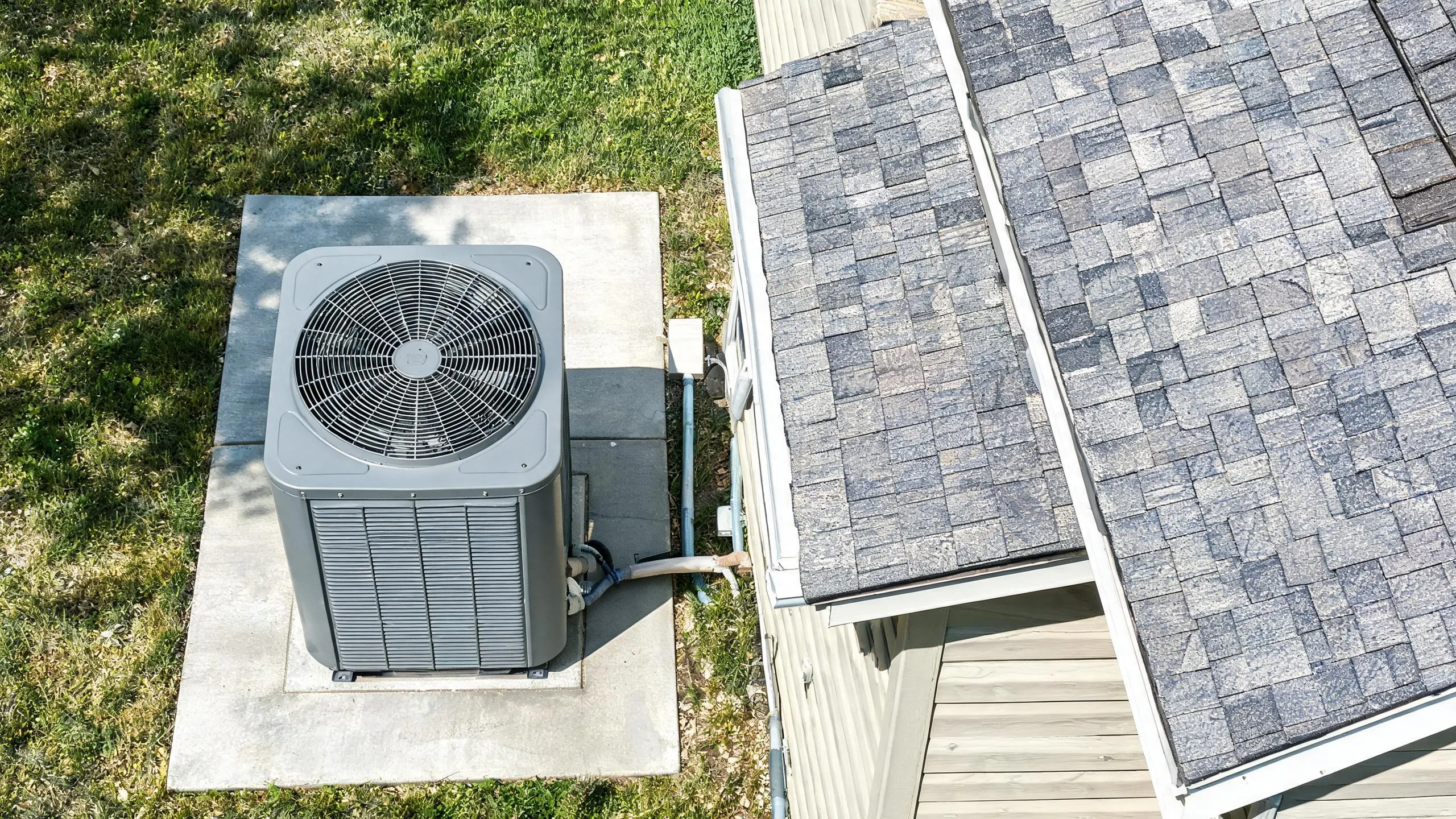
What wears on a system in this area is more likely weather than heat. Oxford County has logged 77 damaging wind events and 20 hail events over the past ten years, one hailstone measured a full inch across. An outdoor condenser sits exposed to that. Wind can bend the thin fins on the coil or throw debris into the cabinet, and hail can dent the housing or damage the fan. If your unit is running rough or not cooling like it should, storm damage is worth ruling out before anything else.
- 75°F
- the average summer afternoon it cools against
- 20 hail events
- in ten years, and hail bends the fins on outdoor coils
- 77 wind events
- in ten years, and wind drives debris into outdoor units
NOAA nClimDiv, 1991–2020 normals

A new air conditioner would save little on running costs in Oxford County, so the repair decision comes down to the unit's condition.
Estimates for a typical Oxford County home, compared with an older unit built to the previous federal minimum, from EIA household energy data, Maine fuel prices and NOAA climate normals. Your home will differ.
Repair makes sense when a part like a capacitor or contactor has failed.
Replacement makes sense when the compressor has failed or the system uses R-22 refrigerant, which is no longer made.
- Why is my AC not blowing cold air?
- Usually it means the refrigerant is low, the coil is frozen, or the airflow is blocked somewhere. A dirty filter can choke off airflow enough that the air coming out feels weak or barely cool. If the coil has frozen over, turning the system off and letting it thaw before calling someone will keep things from getting worse. A contractor can check the refrigerant charge and find out whether there's a leak, since low refrigerant almost never fixes itself.
- Why is my AC leaking water?
- Most water leaks come from a clogged drain line or a drain pan that has rusted through. Your AC pulls moisture out of the air as it cools, and that water is supposed to run off through the condensate line to the outside. When that line clogs with algae or debris, the water backs up and finds another way out, often through the ceiling or wall below the unit. A frozen coil that then melts can also flood the pan faster than it can drain, so it's worth checking whether the system has been running weak before it started leaking.
- Why won't my AC turn on?
- Start with the thermostat and the breaker before assuming the worst. Check that the thermostat is set to cool and below the room temperature, and check the breaker panel for a tripped switch, since a shared circuit or a power blip can knock it out. If those are fine, the capacitor or the contactor inside the outdoor unit may have failed, and those are not something to test yourself. A contractor can check the electrical components safely and tell you which one needs replacing.