
HVAC Repair in Rumford, ME
If your system quits, tell us what it's doing and a licensed contractor who covers Oxford County will get in touch.
Tell us about the job
It takes about a minute.
Nine months of heat, ten below at night
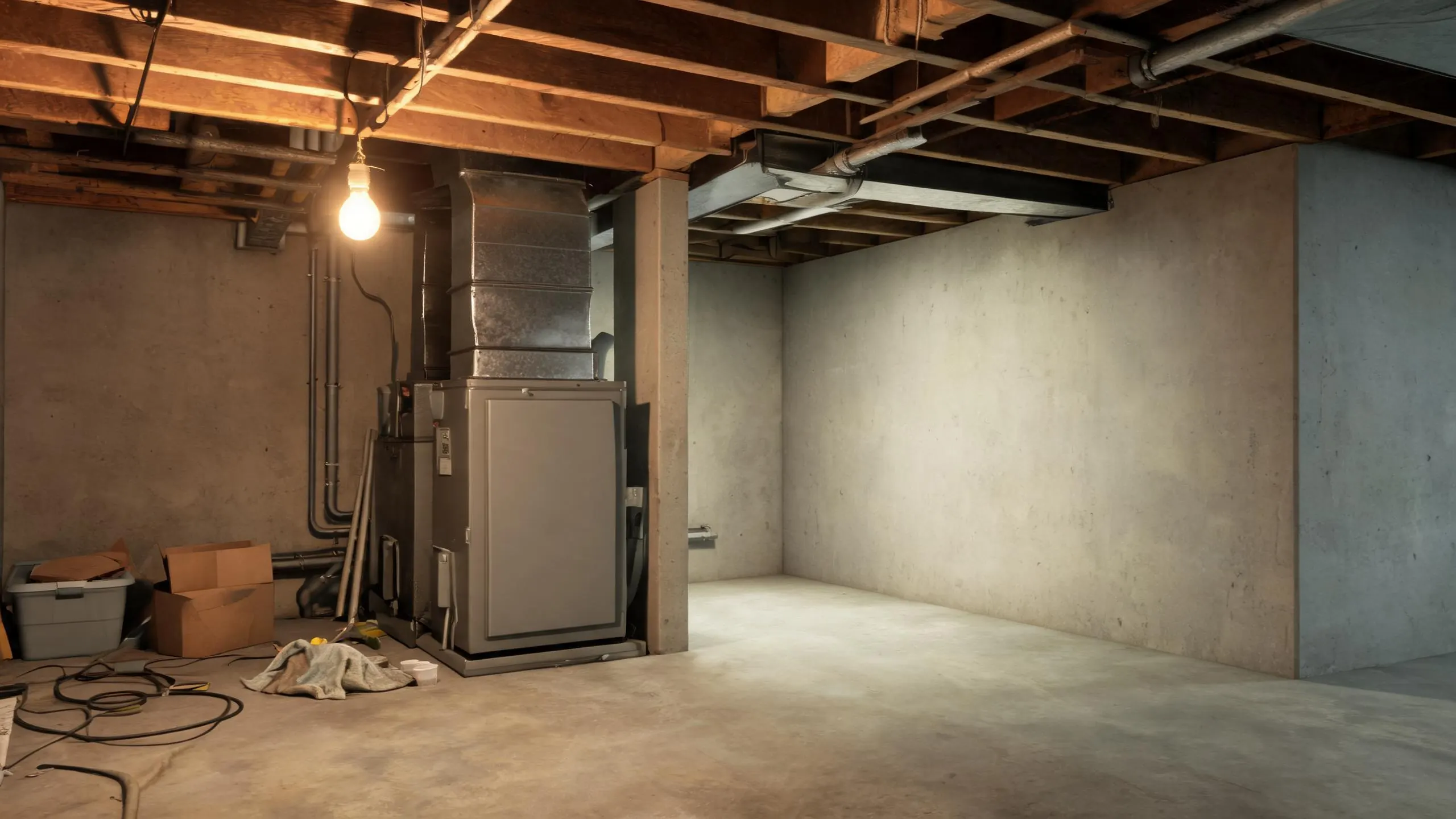
Rumford asks a furnace to run September through May. That is nine months of cycling on and off, and on the coldest nights, when it's averaging 10°F, it barely stops. Each cycle means the igniter fires again, and enough cold nights in a row will wear one out. When it does, the house goes cold fast, because there's no mild stretch coming to bail you out.
Most homes here heat with fuel oil, so the oil burner and its nozzle take that wear directly. Summers stay mild, near 75°F, so cooling isn't the story in Rumford. The bigger risk is losing power. Oxford County has logged 100 winter storms and 77 damaging wind events over the past ten years, and across Maine more than half of households went at least a day without power in 2024. When the lines come down, a furnace with electric ignition or a blower motor won't run even with oil in the tank.
- 9 months
- September through May, your system heats
- 10°F
- the average winter night it heats against
- 75°F
- the average summer afternoon it cools against
- Why is my heat not working?
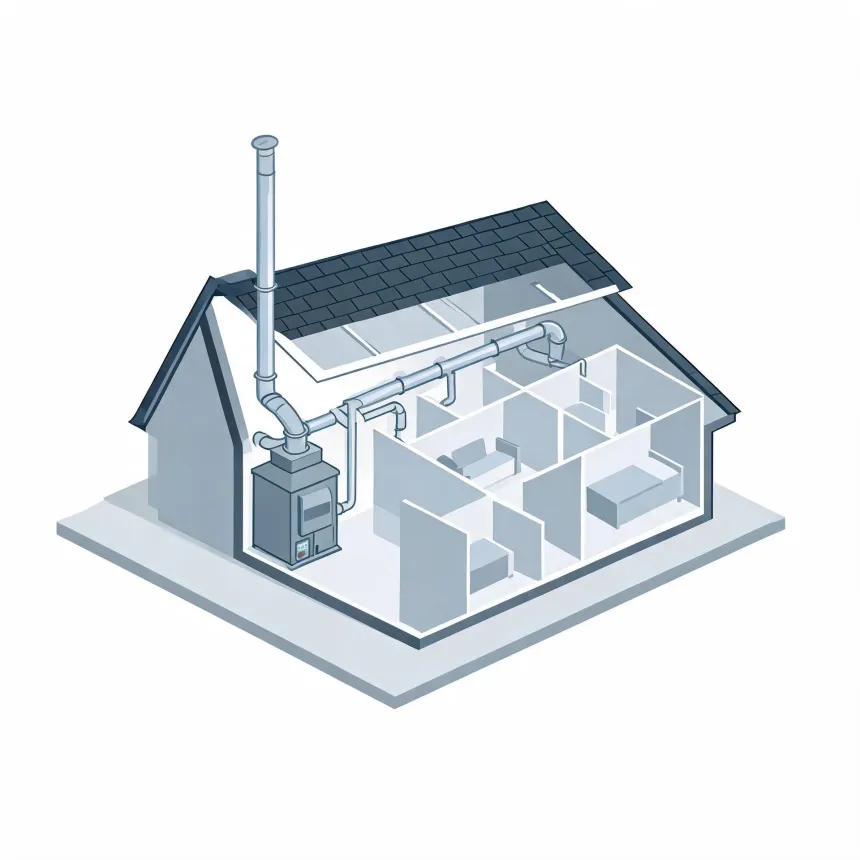
- Start with the thermostat and the power to the furnace. If the thermostat screen is blank, check the batteries first. If the furnace has power but won't fire, an igniter that's failed or a flame sensor coated in residue are two of the most common reasons a furnace won't light. On oil systems, which heat 58% of homes here, a clogged nozzle or a tripped reset button on the burner can also stop it cold. With winter nights averaging 10°F, a furnace that's out for even a few hours matters, so it's worth calling a contractor if the basics don't get it running again.
- Why is my system running but not cooling the house?
- If air is moving but it's not cold, check the filter first. A filter clogged with dust chokes airflow across the coil, and the coil can ice over as a result, which makes the problem worse the longer it runs. Outside, make sure the outdoor unit isn't blocked by leaves, grass clippings, or anything piled against it, since that unit needs open airflow to release the heat it's pulling from the house. If the filter is clean and the outdoor unit is clear and you're still not getting cold air, the system likely needs a contractor to check the refrigerant charge.
- What can I check before calling for HVAC repair?
- Check the thermostat settings and batteries, the circuit breaker for the system, and the filter, since these cause a lot of no-heat and no-cool calls on their own. For a furnace, look for a reset switch near the unit that may have tripped. Given how often storms knock out power here, with 100 winter storms and 77 damaging wind events recorded over the past ten years, it's also worth checking whether the outage was widespread enough to affect your neighbors, since some equipment needs a manual restart after power returns. If everything checks out and the system still isn't working, a contractor can diagnose what's actually wrong.