
HVAC Installation in Rumford, ME
Tell us about the house, and a licensed contractor who covers Oxford County will get in touch.
Tell us about the job
It takes about a minute.
Nine months of heat, and winter nights near 10°F
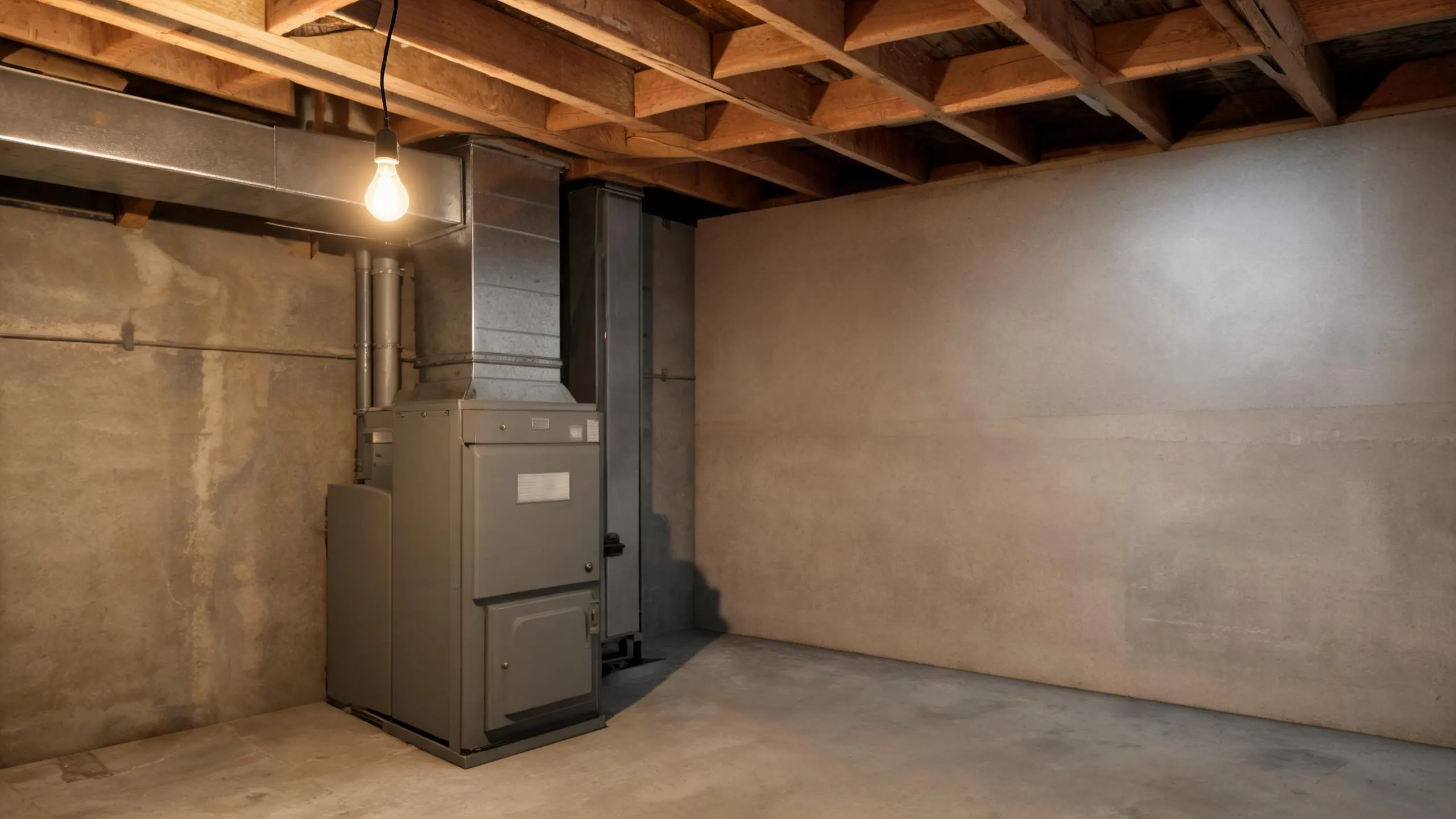
Rumford needs heat from September through May. That is nine months out of the year the new system has to earn its keep, most of it against winter nights that average 10°F. A furnace or heat pump here spends most of its life working, not idling.
Summer afternoons average 75°F, so cooling asks little of the system by comparison. The real test is how it holds up through a long, cold winter, and whether it keeps running when the power does not. More than half of Maine households lost power for at least 24 hours in 2024, and Oxford County has logged 100 winter storms and 77 damaging wind events over the past ten years. A new system installed here should be sized and set up for the cold it will actually see, not just to meet a minimum.
- 9 months
- September through May, your system heats
- 10°F
- the average winter night it heats against
- 75°F
- the average summer afternoon it cools against
- When should I replace my HVAC system?
- Age and repair history tell you more than any calendar date. An older furnace that needs a repair is usually a better candidate for replacement than one more fix. Watch for rooms that will not hold heat, a furnace that runs longer than it used to, or a fuel oil bill that keeps climbing. Homes here need heat nine months of the year, from September through May, so a furnace on its way out gets tested hard and often.
- Should I replace my furnace and air conditioner at the same time?
- Most homes here do not have central air to begin with, since summer afternoons average 75°F and cooling is not something this area needs. If your home does have an air conditioner paired with your furnace and both are old, replacing them together can make sense because a contractor is already there and the parts of the system connect to each other. But if only your furnace is failing, there is no rule that says you have to touch the air conditioner too. A contractor can look at both and tell you what actually needs doing.
- What happens during an HVAC installation?
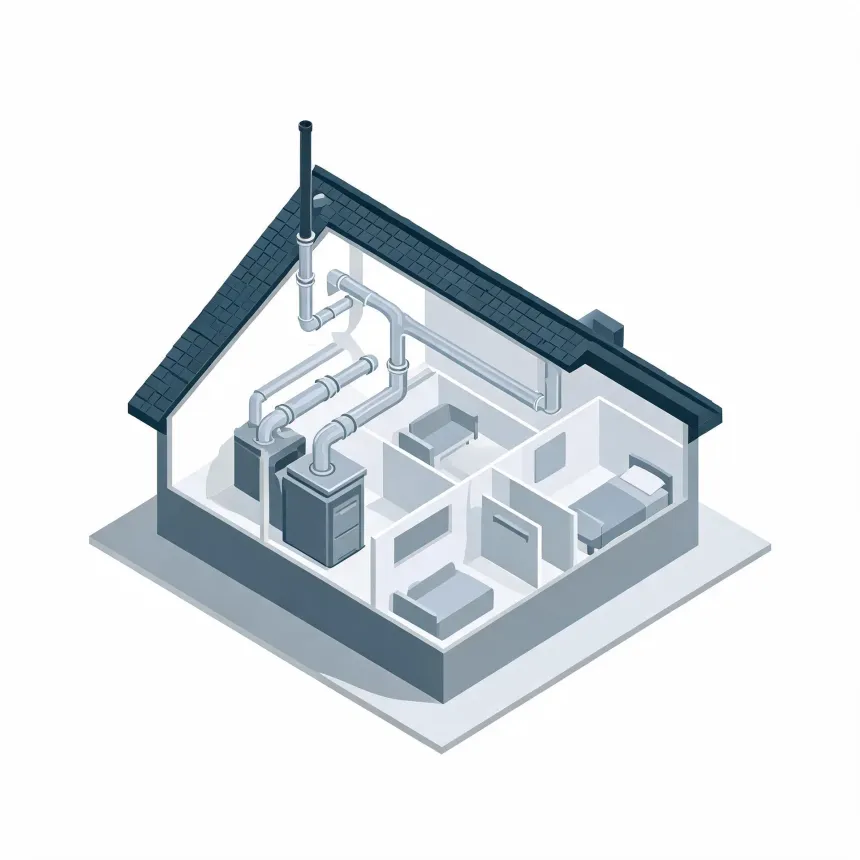
- A contractor first removes the old equipment. Then they set the new furnace or system in place and connect it to your ducts, gas or oil line, and electrical supply. They test the ignition, check airflow at the vents, and confirm the thermostat is talking to the system correctly. On a fuel oil furnace, that includes checking the burner and making sure it is drawing and venting properly. Winter storms hit this area often, a hundred of them over the last ten years, so it is worth asking the contractor how the system handles a power interruption, since most furnaces need electricity to run even on fuel oil.