Birds nesting in a dryer vent in Augusta, ME

A square stainless steel wall vent with four corner screw holes and a hinged flap cover, partly open to reveal a dark circular duct opening, shown against a plain light gray background.
Connect with a pro

A bird in your dryer vent usually means a hood with a missing or broken flap, or a screen someone added that trapped a bird trying to build in the warm, sheltered duct. Vent hoods take a beating from Kennebec County winters, and a flap that's rusted open or cracked off gives birds a clear way in during spring, when they're looking for a spot to nest. Once a nest is in there, lint has nowhere to go and your dryer has to push air through a duct that's partly or fully blocked. That means longer dry times now, and it means the lint building up behind the nest is a fire risk. It also means the duct needs a real cleaning, not just pulling the nest out, since lint has likely packed in around it. If your vent run is long or has several turns, which is common with additions and finished basements, clearing it isn't a simple reach-in job.


A white hooded exterior vent cover with a screened lower opening, screwed to beige horizontal lap siding above a concrete foundation.
A closed flap lies flat against the hood with nothing nesting behind it, letting dryer exhaust clear the duct the way it should.
A hooded dryer vent mounted on beige lap siding, with gray lint buildup packed in and hanging from its louvered opening.
Twigs and grass packed behind a stuck-open flap block the duct, and lint can catch fast against that kind of nesting material.

A dryer vent is a straight shot outside, and anything built inside that duct sits right in the path of the exhaust. Once a nest is packed in, the dryer is pushing hot, damp air against twigs and grass instead of out through the hood. That air has to go somewhere, so it backs up into the duct and the dryer works harder to push each load through. Lint travels with that air, and it sticks to nesting material far more readily than it sticks to bare metal, so the blockage builds faster than plain lint buildup would. Spring is when birds are looking for a warm, sheltered spot to build, and a vent that ran clear all last fall can have a nest in it by April. Starlings and sparrows are the usual builders, and either one can fill a duct in a matter of days once they start. Pulling the nest out helps for the moment, but if the flap that let the bird in isn't fixed, the duct is open for the next one before the season's over.


Why a Nest Is a Problem

  • A nest packed into the duct forces the dryer to push hot, moist air against a blockage instead of outside.
  • Lint catches on nesting material fast, and that mix burns hotter and easier than lint alone.
  • A dryer running against a blocked vent takes longer to dry each load and runs hotter than it should.
  • Birds usually build in spring, so a vent that cleared fine last fall can have a nest by April.
  • Starlings and sparrows both nest in dryer vents, and either one can pack a duct solid in a few days.
  • Clearing the nest without fixing the flap just invites the next bird in before the season's over.
A woman wrapped in a thick fleece blanket sits on a sofa holding an open book, beside a lit table lamp and a frost-covered dark window.
A woman in a cream knit sweater sits in an armchair indoors, eyes closed and smiling, beside a window showing yellow and orange autumn foliage, with a mug on a wooden side table and shelves holding vases behind her.

32°F and below

That's a Kennebec County winter for months at a stretch. A flap frozen shut or rusted open stays that way until someone gets up there and checks it.

Find a pro near me

One trip, two jobs

Clearing the nest and fixing the flap take the same visit. Leave the flap broken and whatever got in once can get in again.


Find a pro near me

Clear the Nest Yourself or Call It In

Clean it yourself

  • You can pull the hood cover off and clear out twigs and grass with your hands if the nest sits right at the opening.
  • A shop vac reaches a few feet into the duct, but it won't pull material packed further back toward the wall or the dryer itself.
  • You won't know if the flap itself is bent, rusted, or missing a hinge unless you get eye level with it and work it by hand.
  • Birds often return to the same spot once they've built there, so clearing the nest without fixing the flap means doing this again.
  • Working off a ladder at the hood, often two stories up on a lot of Augusta homes, is where most people get hurt doing this job.

Have it cleaned

  • A contractor who works dryer vents every season in Kennebec County knows the nest is rarely the only problem behind the hood.
  • Camera equipment shows how far back the nest and lint actually go, past where a shop vac or a hand can reach.
  • One licensed, local contractor gets matched to your job, so you're not fielding calls from several companies about the same nest.
  • Clearing the duct and replacing a broken flap happen in the same visit, so the vent is actually fixed before winter, not just emptied out.
  • Someone who does this work regularly recognizes a rusted hinge or a missing flap on sight, rather than guessing after the fact.
A white plastic hooded dryer vent screwed into light gray horizontal lap siding above a concrete foundation wall, with lint and dirt visible inside the vent opening.
Before you get your dryer vent cleaning
A white square dryer vent hood with a hinged flap mounted on light gray horizontal siding above a concrete foundation wall.
After you get your dryer vent cleaning
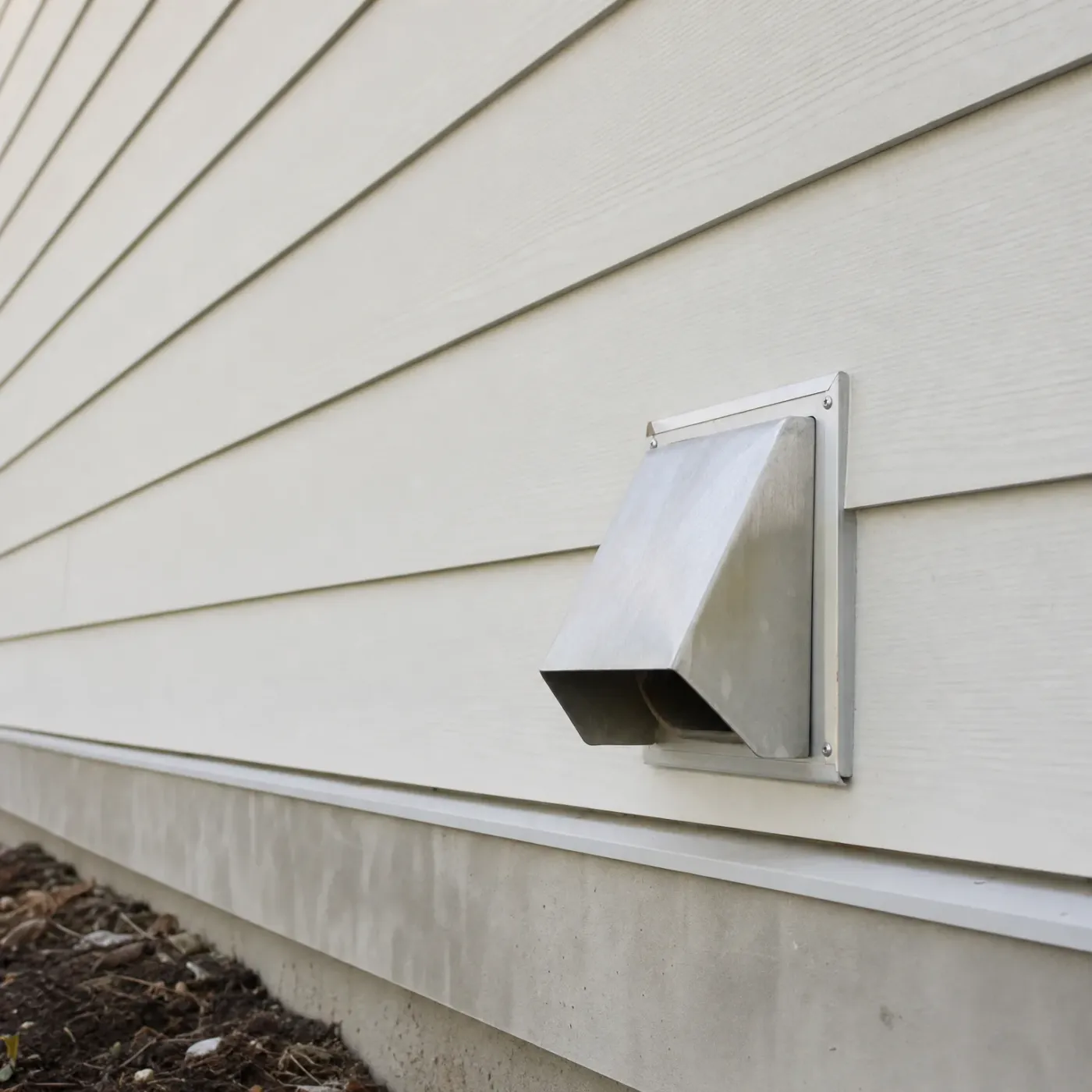
A metal hooded dryer vent mounted on cream-colored horizontal lap siding above a concrete foundation, with bare soil at the lower left.

Get matched with a dryer vent pro in Kennebec County

Your request goes to one pro, not a list of companies.

Your request goes to a Kennebec County pro who takes dryer vent jobs.

Get my match

There's no charge for the request.

Why is your dryer taking forever to dry a load?

A nest in the vent is usually the reason. You'll run a load and pull it out still damp, then run it again. The dryer feels hot to the touch and the room gets warm while it runs, because the air it should be pushing outside is backing up into the duct instead. You might catch a burnt, musty smell near the vent hood, or notice the hood flap doesn't move when the dryer's on. Some households just smell wet grass or feathers near the laundry room. Left alone, the lint that catches on the nesting material has more to burn against, and the dryer keeps working harder than it should load after load.

A stainless steel hooded dryer vent with four corner screws mounted on white horizontal lap siding above a gray concrete foundation.

Hood clear, flap working

The flap sits flush against the hood, closed when the dryer's off. Air pushes it open from inside when the dryer runs, then it falls shut again. Nothing can get in behind it, so the duct stays clear for exhaust to leave the house.

A white hooded dryer vent mounted on light-colored lap siding above a concrete foundation, with lint clogging its opening.

Hood packed with lint and nest

The flap sits stuck open and lint has built up heavy around the opening. Twigs and grass behind it gave the lint something to catch on. Exhaust can't clear the duct this way, and the dryer runs against that blockage every time it's on.

2.25 people per household on average

Most households around Augusta run about two people and a couple loads a week, not a daily parade of laundry. That makes a slow, overheating dryer easy to write off as the machine getting old, when a nest blocking the vent is the actual reason it's working twice as hard.

ACS 2020-2024

What a Vent Bird Means

  • A bird gets into the vent through a flap that's stuck open or missing, not through a closed one.
  • Nesting material catches lint fast, and that combination burns hotter than lint by itself.
  • A blocked vent makes the dryer run longer and push hot, moist air back into the duct instead of outside.
  • Kennebec County winters keep a frozen or rusted flap stuck in whatever position it failed in until someone checks it.
  • Clearing the nest and fixing the flap happen in the same visit, so the problem doesn't come back next season.
  • A dryer that takes two cycles to dry a load is often working against a blocked vent, not just getting old.

A bird in the vent almost always traces back to the flap. Something kept it from closing, and a duct that's warm and sheltered from a Kennebec County winter looks like a good place to build. Once nesting material is in there, it's not a one-season problem. Twigs and grass catch lint the way nothing else does, and that mix burns hotter than lint on its own. The dryer feels it before anyone notices a bird was ever involved. Air that should leave the house pushes back against the blockage instead, so the dryer runs longer and the room gets warmer than it should for the length of the cycle. A load that used to take one run now takes two, and it's easy to blame the machine instead of the duct behind it.

None of this fixes itself. A flap that froze shut or rusted open in January stays that way until someone's up there to check it, and the nest behind it doesn't clear on its own either. The two go together, which is why dealing with one usually means dealing with both in the same visit. Get the nest out and leave the flap broken, and the duct fills again. Fix the flap and skip the nest, and the dryer keeps running hot and slow. A contractor who works this equipment every winter in Kennebec County knows to check both before calling the job done.


A smiling gray-haired man in a dark wool coat with snow flecks stands in a dimly lit home entryway, with a lit table lamp, potted plant, framed pictures and a living room visible behind him.
An older man with gray hair and a beard, wearing a snow-dusted dark coat and knit scarf, stands smiling in a dimly lit house entry with a lit lamp, mirror, and a living room with snow visible through the window behind him.
An older man with gray hair and a beard, wearing a dark snow-dusted coat and plaid scarf, stands smiling in a warmly lit hallway with a lamp, side table and glass-paned doors behind him.
An older man with gray hair and a beard, wearing a dark coat dusted with snow, stands in a home entryway with a lit lamp, a staircase railing, and a living room with large windows behind him.

Dryer Vent Cleaning

A local pro for your dryer vent cleaning

The pro who gets in touch is licensed in Maine and works in Kennebec County.

A black-framed smartphone standing upright against a plain light gray background, its screen filled with solid green.
Duct and vent cleaningKennebec County, ME
Step 1 of 3

What kind of equipment?