Signs of a clogged dryer vent in Lewiston, ME

A white square plastic dryer vent hood with a hinged flap propped open, revealing a round duct opening, shown against a plain light gray background.
Skip the calls

A clogged dryer vent shows up as clothes that take two or three cycles to dry, a dryer that runs hot to the touch, or a burnt smell when it's running. Check the outside vent hood while the dryer runs: if the flap barely moves or no air comes out, lint is blocking the line somewhere between the dryer and the outside wall. Lint builds up faster in longer runs, and in a lot of Lewiston homes the dryer sits in a basement with a vent run that travels a good distance to an outside wall, giving lint more duct to settle in. A full vent also means more heat and moisture stay trapped in the line, and with Androscoggin County winters running cold for months, a vent already slowed by lint is more likely to trap moisture that freezes near the outside hood. That blockage makes the dryer work harder and raises the risk of the lint catching fire.

Why does a clogged vent hit harder in your house?

  • 2.33 people per household on average

    A household here runs about 2.33 people worth of laundry through that vent every week, and a blocked one makes every one of those loads take longer.

  • Half the homes here were built by 1969

    Half the homes in Androscoggin County went up in 1969 or earlier, and the duct run in a house that age wasn't sized for today's dryers or vent lengths.

  • Power here costs 27.78 cents per kilowatt-hour

    Power here runs 27.78 cents a kilowatt-hour, so a dryer fighting a clogged vent to finish a load costs you more than the same clog would somewhere cheaper.

ACS 2020-2024 · EIA-861 2025

How a Dryer Vent Clogs

  • The vent runs from the dryer through the wall or floor joists to the hood outside, and lint builds up anywhere that run turns a corner.
  • A crushed or kinked flexible section slows the airflow long before the vent looks blocked at either end.
  • The lint trap catches most of what sheds off a load, but the fine lint that gets past it is what packs the duct walls over time.
  • A dryer that can't push air out fast enough runs its heating element longer on every load to get clothes dry.
  • Birds and squirrels nest in the outside hood over the summer, and that nest is still there when the furnace and dryer both need the vent clear come fall.
  • A vent cleaned out from the hood end alone can still be packed solid for the first several feet behind the dryer.

A dryer vent is a straight job on paper: hot, damp air pushes out through a duct to a hood on the outside wall. In practice that duct usually bends, through a joist bay, around a corner, down to the hood, and lint catches at every bend before it catches anywhere else. The lint trap in the dryer itself stops most of what comes off a load, but not all of it. What gets past the trap is fine enough to stick to the inside of the duct, and over months that coating narrows the passage until the dryer is pushing air through a much smaller opening than it was built for. A flexible section that got crushed behind the dryer when it was last moved does the same thing faster, choking the airflow at one spot even though the rest of the run is clear. The dryer compensates by running its heating element longer, trying to finish the load with less air moving through it. Outside, the hood has its own problem: it sits open to the weather, and over the summer it is a common place for birds or squirrels to build a nest. That nest can block the hood completely by the time the furnace and dryer both need it working in the fall. None of this shows up if someone only checks the hood from outside. The first few feet of duct behind the dryer clog the same way, and clearing the easy end leaves the real blockage untouched.

A smiling woman with long dark hair in a gray sweater sits at a white stone counter with a glass of white wine, with a kitchen, fireplace and sofa visible behind her.
A smiling woman with dark hair in a cream sweater sits at a marble table with a glass of red wine, with a lit lamp, sofa, fireplace and kitchen counter behind her.
A woman in a cream sweater laughs while seated at a marble countertop with a glass of red wine, with a dimly lit living room and sofa behind her.
A woman in a beige turtleneck sweater with her hair up sits laughing and looking to the side at a white marble table with a glass of red wine, in a dimly lit interior with a lamp and seating area behind her.

Cleaning it yourself

You can pull the lint trap, vacuum what you can reach from inside, and disconnect the dryer to clear the first few feet of duct. That handles the lint sitting right behind the machine. It won't reach a bend out in the wall or a long run to the hood, and in a lot of houses here that run is longer than it looks from the laundry room. If the vent goes up through a floor joist or turns more than once before it gets outside, you're working blind past the first bend, and that's usually where the real buildup sits.


Having it cleaned

A contractor who works on vents all season brings a rod and brush sized to run the full length of the duct, not just the first few feet. They can get past the bends in the wall or the joists and clear lint sitting at the hood end too, which is where a lot of these vents actually clog. One call gets it scheduled with someone local who already knows what these runs typically look like in houses around here, instead of you trying to find and compare a few companies first.

A metal dryer vent hood mounted on beige horizontal lap siding, with gray lint clogging its open flap, above a lighter textured foundation wall.
Before you get your dryer vent cleaning
A white hooded exterior dryer vent with a mesh screen, screwed to light gray horizontal lap siding above a concrete foundation.
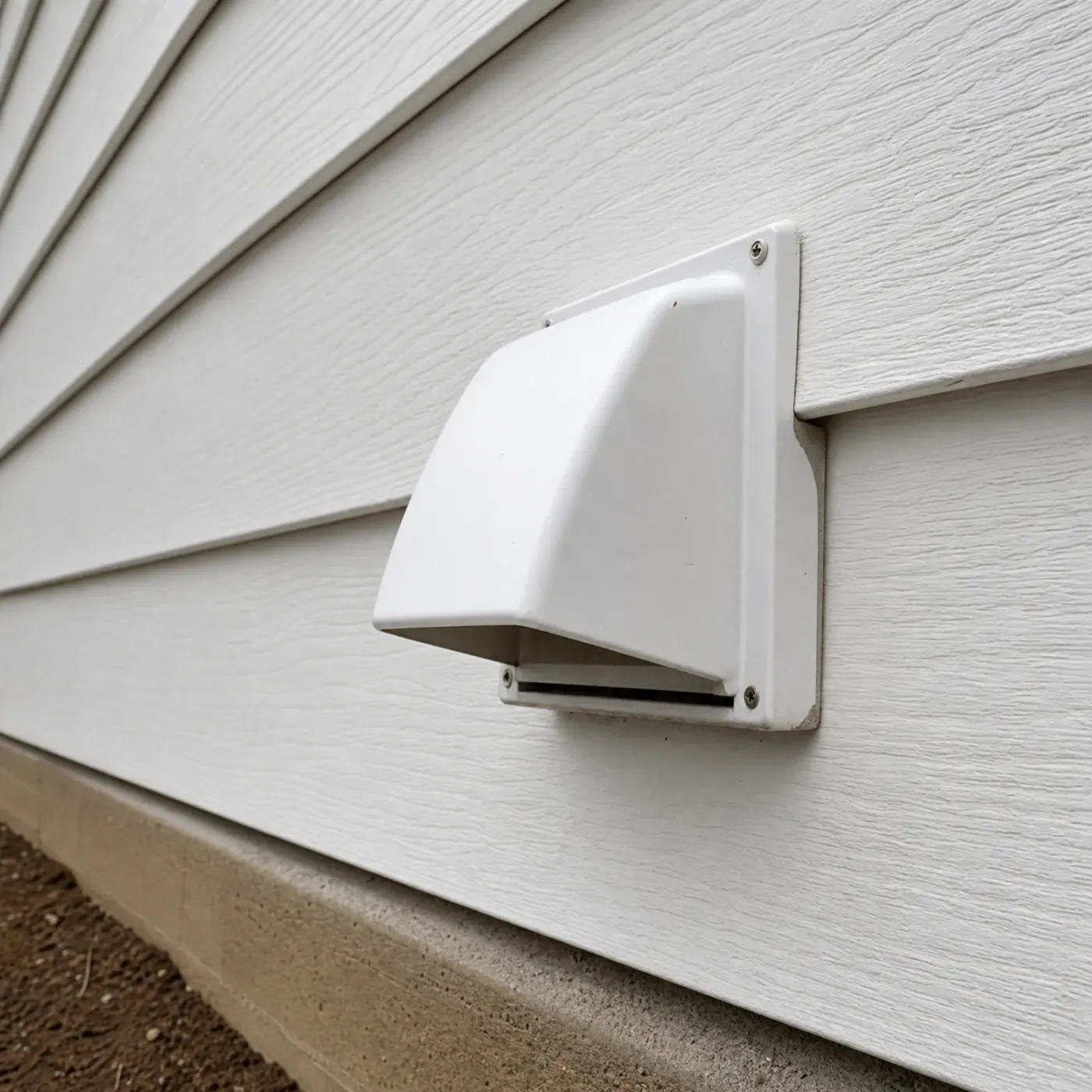
After you get your dryer vent cleaning
A white hooded dryer vent cover screwed to white lap siding above a concrete foundation and bare soil.

No calling every shop in Androscoggin County

Your dryer vent cleaning request goes to one local pro.

Skip calling around for someone who cleans dryer vents.

Answer a few questions

Asking costs nothing, and the choice to hire stays yours.

Why is your dryer taking so long to dry a load?

Walk past the dryer mid-cycle and feel the side panel. If it's hot rather than warm, air isn't moving through the way it should. Open the door after a cycle you'd expect to finish and the clothes are still damp, or the room feels more humid than it used to. Lint shows up where it shouldn't, on top of the machine or behind it, because it's not all making it out through the vent anymore. A dryer working against a blockage runs longer and hotter on every load, and that heat has nowhere to go but back into the drum and the room around it. Left alone, lint built up in the vent is fuel sitting next to a heat source.

A white hooded exterior vent cover with a louvered underside, screwed to beige horizontal lap siding above a lighter stucco lower wall.

Vent working clear

This is what a clear vent looks like. The hood sits flush against the siding, the louver hangs open, and air pushes it outward every time the dryer runs. Put your hand near it mid-cycle and you'll feel a steady warm push of air, not a weak trickle.

A beige plastic dryer vent hood mounted on horizontal vinyl siding, with clumps of gray lint protruding from the open flap.

Vent packed with lint

Lint has built up enough to show at the opening itself, pushing past the louver instead of staying inside the duct. If it's visible here, more of it is packed along the duct run behind the wall. The flap can't close or open right, and air struggles to get out at all.

Leave It Clogged or Get It Cleaned

Ignore it

  • Every load keeps taking two or three cycles, so the dryer runs longer and pulls more power each time, and power here already costs more than most places.
  • Lint sitting in a blocked vent is fuel, and a dryer that runs hot because air can't escape is how vent fires start.
  • The heating element or igniter works harder to make up for air that isn't moving, which shortens how long it lasts.
  • Moisture that should leave through the vent stays in the drum and the surrounding duct, where it can start to rust the metal.
  • A vent that's already slow in summer gets worse once the dryer runs more loads through the cold months here.
  • Nothing about the blockage clears on its own. Every cycle adds a little more lint to what's already stuck at the bend or the hood.

Get it cleaned

  • A load that was taking two or three cycles goes back to drying in one, so the dryer runs for the time it's supposed to.
  • Air moves freely again from the drum to the outside hood, which takes the strain off the heating element and the motor.
  • The dryer stops running hot to the touch, because the heat it makes is leaving through the vent instead of backing up into the cabinet.
  • Clearing the full run, not just the first few feet behind the machine, gets at the lint sitting in the bends a vacuum can't reach.
  • A local contractor who works on vents like this through every Lewiston winter knows where lint typically catches in homes built here.
  • Booking one contractor means one visit and one person who saw the vent, not several companies calling to quote the same job.
A metal hooded dryer vent with a louvered opening mounted on beige horizontal lap siding above a concrete foundation wall.
Air pushes the louver open and holds it there, the way it does on a vent that's clear all the way to the hood.
A white hooded dryer vent mounted on horizontal lap siding, with a thick mass of gray lint clogging the opening beneath the hood.
Gray lint packs the opening and props the flap up, so what little air gets out carries the heat with it.
  1. Lint sheds off wet clothes inside the drum every cycle.

  2. Air carries that lint down the duct toward the hood.

  3. Lint catches on screws, seams, and bends in the duct.

  4. The buildup narrows the duct so less air gets through.

A smiling middle-aged man in a dark green sweater sits at a candlelit table with wine glasses and a plate of greens in a dimly lit interior.
A woman in a dark knit turtleneck sweater reclines on a couch under a cream knit blanket, looking down at an open book, with a lit table lamp and framed pictures behind her.

A dryer vent is usually four inches wide. Pack half that opening with lint and the dryer does not shut off, it just keeps pushing heat into clothes that are not drying.

That is why the smell comes before the breakdown. The heat has nowhere to go but back into the drum, and the lint sitting in the duct is what you are smelling cook.

2.33 people per household on average

With close to two and a half people in your house, the dryer is probably running most days, not once a week. That's more loads pushing lint toward the hood, and less time between runs for a slow vent to show itself before it's fully blocked.

ACS 2020-2024

A wooden table in the foreground holds a closed laptop and a ceramic mug of coffee, with a spindle-back wooden chair behind it, a beige wall with paneled wainscoting, a window at left, and a kitchen counter with a cutting board, bowl of fruit and greenery at right.

A slow-drying dryer is telling you something

Two or three cycles to dry a load, a hot side panel, a burnt smell, a hood flap that barely lifts. Any one of those means lint has narrowed the vent somewhere between the dryer and the outside wall. The fix is clearing that run, not replacing the dryer.

Finding who does that work is its own chore. You'd be looking up vent cleaning companies around Lewiston, calling a few, explaining the same thing about the hot panel and the slow loads each time, then weighing quotes against each other before you even get someone out to look. Request a match here and that part is done. You're connected with one local contractor who works on vents like yours every year and already knows what a blocked one looks like from the hood in.

Interior corner of a dining room with a round wooden table, a ceramic vase holding olive branches, a dark spindle-back chair near a curtained window, and a sideboard with a lamp against beige walls.
A galvanized metal hooded dryer vent screwed to gray lap siding on an exterior wall.

Explain it one time

Duct and vent cleaningAndroscoggin County, ME
Step 1 of 3

What kind of equipment?