
Mold in air ducts in Portland, ME

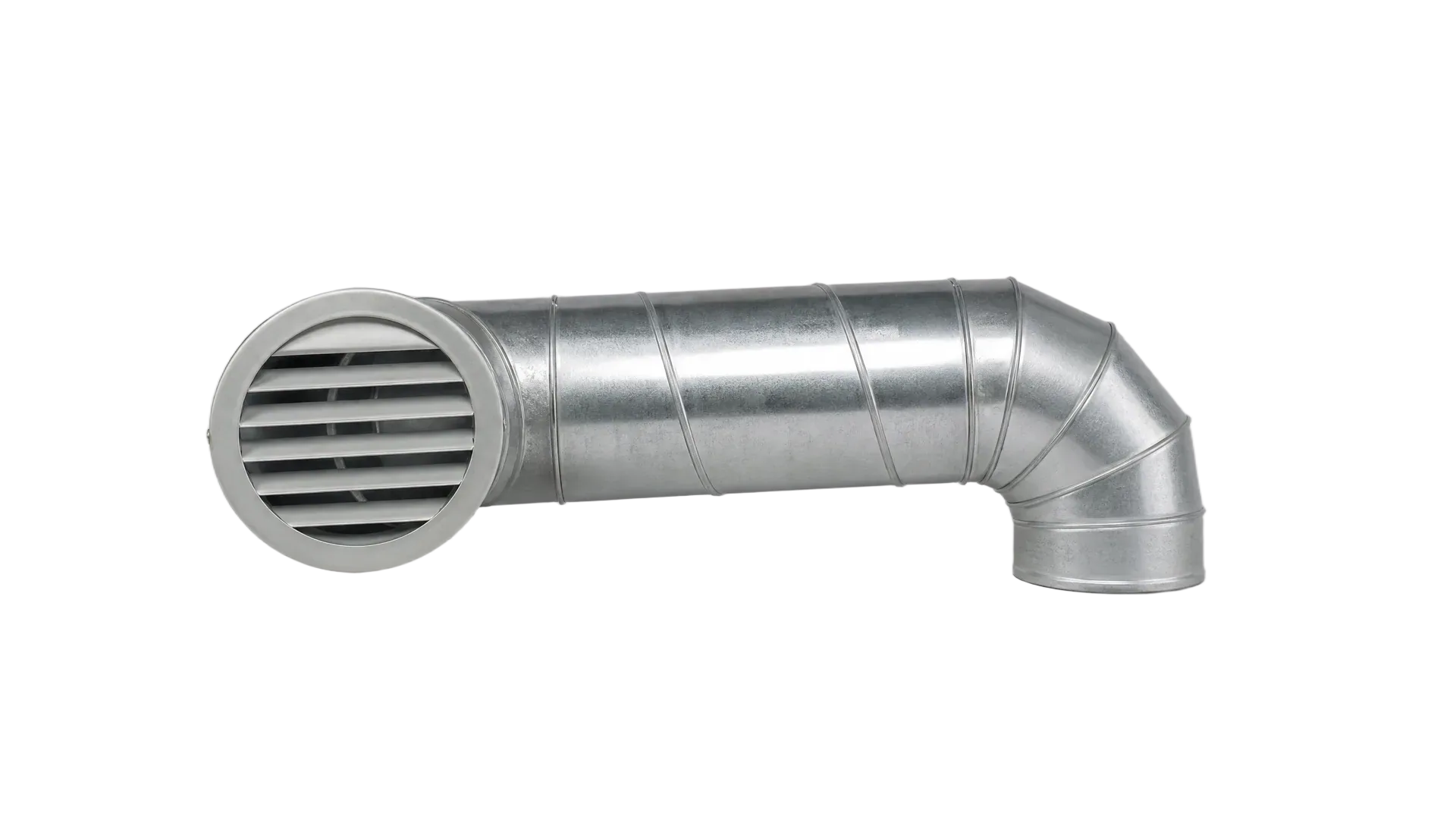
A galvanized steel round duct section with a 90-degree elbow at one end and a louvered vent grille at the other, photographed against a plain gray background.
Find my pro

Can mold grow in my air ducts here in Portland?

Humid summer air moving through ductwork, a damp basement where the furnace sits, or a musty smell when the system kicks on all point to the same worry. In Cumberland County the swing from a warm, damp summer to a hard heating season run on oil means the ducts go through real changes in temperature and moisture all year. You want to know if what you're smelling or seeing is actually mold, or just dust.

Yes, mold can grow in air ducts here

Mold needs moisture, and ducts get it from condensation around the cooling coil, from a leaky duct joint pulling in damp basement air, or from a humidifier set too high through the oil heating months. Portland's summers bring enough humidity to feed that growth if the air conditioner isn't pulling moisture out the way it should. A musty smell when the blower runs, dark spots around vent covers, or a family member with allergies acting up more indoors than outside are the signs to watch for. Mold in the ducts doesn't go away on its own, and running the system keeps spreading spores through every room the ducts reach.

Empty basement with bare concrete walls and floor, a small window at left, and exposed wood joists with galvanized sheet metal ductwork and pipes overhead.

Clean, dry ductwork

Sheet-metal ducts and flex pipe run overhead, bright and free of buildup, the way they look when a system is new or recently cleaned. Air moves through without picking up dust or a musty smell. A basement like this one stays dry even when the summer air outside is heavy.


Dusty sheet-metal HVAC ducts with a rectangular vent register run beneath wooden floor joists above an empty concrete-walled basement.

Ductwork gone bad

The same rectangular ducts, coated now in dark dust and grime along a basement ceiling. Years of damp air and dust settle on the metal and build up where no one sees them. A musty smell when the furnace or AC kicks on usually traces back to buildup like this.

Why does mold keep coming back in ducts this old?

  • Half the homes here were built by 1976

    Half the homes in Cumberland County were built in 1976 or earlier. Older duct runs and older basements give mold more seams and joints to settle into.

  • Heat runs September through May

    Heat runs here September through May, nine months of the year. That's nine months of air moving through the ducts, carrying whatever is growing in them into every room.

  • Cooling runs July through August

    Cooling runs July and August here. Those two months are when humid air meets a cold duct surface, and that's when mold gets its start for the rest of the year.

ACS 2020-2024 · NOAA nClimDiv 1991-2020

If the ductwork running through your basement or crawlspace has mold, you will likely smell it before you see it, a musty smell that gets stronger when the furnace or air handler first kicks on and pushes that air through the house. It settles into carpets, curtains, and clothes, and anyone in the house with allergies or asthma will likely feel it first, a stuffy nose or a cough that eases up when they leave for the day and comes back once they're home. Oil furnaces here run nine months of the year, which means nine months of that air moving through every room on a daily basis. If your basement stays damp through the summer, or if the furnace sits near a sump pump or a spot where water has gotten in before, the ducts closest to it are the ones most likely to carry mold into the rest of the house. Left alone, it does not go away on its own. It keeps growing wherever the duct stays damp, and keeps getting pushed out into the air every time the system runs.

A smiling woman with long dark hair in a gray sweater sits behind a white countertop holding a glass of red wine, with a dimly lit living room and dark kitchen island in the background.
A woman in a beige knit sweater with her hair up laughs while looking to the side, seated in a dimly lit living area with a sofa, windows and a kitchen counter behind her, a glass of red wine in the lower right foreground.
A woman in a black sweater laughs while seated at a light stone counter with a glass of red wine, in a dimly lit living and dining room with bookshelves, a table lamp and framed artwork behind her.
A smiling woman with long dark hair in a beige sweater sits at a granite counter with a glass of red wine, with a living room, fireplace and dining area behind her.

Mold doesn't need much to take hold inside ductwork. Dust and debris that settle in the lines over the years give it something to feed on, and once spores form, the furnace or air handler carries them wherever the air goes. They tend to collect at elbows and joints, anywhere the airflow slows down enough to let them land. Because one air handler feeds every supply register in the house, mold rarely stays put in a single room. A cleaning contractor deals with this by running negative pressure through the whole system, so loosened spores get pulled out through the vacuum rather than blown further into the ducts and back into the house. The material matters too. Sheet-metal duct can take the scrubbing and agitation a thorough cleaning requires, while flex duct is more likely to tear under the same treatment. If the musty smell in your house fades for a day or two and then returns, that's usually a sign of a damp spot still feeding growth somewhere in the line, not something a single cleaning will fix on its own.

How Mold Moves Through a Duct System

  • Mold needs a food source, and the dust and debris sitting in ductwork for years is exactly that.
  • Spores travel on air that passes through the furnace or air handler and settle anywhere airflow slows, like duct elbows and joints.
  • A cleaning contractor runs negative pressure through the whole system so loosened spores get pulled out instead of pushed deeper into the house.
  • Sheet-metal duct holds up to scrubbing and agitation better than flex duct, which can tear if it's brushed too hard.
  • Mold on the inside of ductwork rarely stays contained to one room, since the same air handler feeds every supply register in the house.
  • A musty smell that fades after a day or two and comes back points to a damp spot feeding mold growth somewhere in the line, not a one-time problem.
A basement with a gray furnace on a concrete pad connected to large sheet-metal ducts running along an exposed wood joist ceiling, with PVC pipes and plastic sheeting on the walls.
Ductwork and furnace connections stay tight and dry, so air moving through them into the house stays clean.
Galvanized sheet metal HVAC ductwork with a vent grille running along a wooden joist ceiling above a bare concrete wall.
Open duct seams and joints under exposed floor joists give moisture and dust a place to settle and mold a place to start.

DIY Duct Cleaning vs. Hiring a Pro

Clean it yourself

  • You can wipe down the visible duct runs and the supply registers in each room with a damp cloth, which cuts down surface dust.
  • A shop vacuum with a hose attachment reaches a foot or two into the ductwork from each register, but not much further.
  • You will not be able to reach the mold sitting in the elbows and joints further down the line where spores actually settle.
  • Swapping the filter regularly keeps new dust out of the system but does nothing for what is already growing inside the ducts.
  • Bleach or other surface cleaners can kill mold you can see and reach, but they do not reach what is growing behind sheet metal seams.
  • The musty smell often comes back within weeks because the source inside the ductwork was never actually removed.

Have it professionally cleaned

  • A cleaning contractor runs equipment through the full duct run, reaching the elbows and joints where spores settle and surface cleaning cannot go.
  • Negative air pressure tools pull debris and mold out of the ductwork rather than just stirring it loose inside the system.
  • A contractor can check the furnace or air handler cabinet itself, since mold growing there gets pushed through the ducts on every cycle.
  • Cleaning addresses what is already in the ducts, though open seams or a damp basement can let mold return over time.
  • Instead of researching equipment and techniques yourself, you get matched with a contractor suited to your duct system and reach out from there.
  • You skip calling around to multiple companies and explaining the same musty smell and duct layout to each one.
A smiling bearded man in a dark crewneck sweater sits at a dinner table with a lit candle, glasses of wine and water, and plates of food in the foreground, with a lamp, framed art and a potted plant behind him.
A woman with dark hair in a bun reclines on a gray sofa with her eyes closed and a slight smile, wrapped in a cream knit sweater and blanket, with an open book resting in the foreground and a lit lamp in the dim room behind.

Get your ductwork to the right pro

Skip searching for someone who cleans ducts in Cumberland County.

No charge to send it. You decide if you hire them.

What a basement dehumidifier does

A dehumidifier running in the basement next to the furnace keeps the air around the ductwork dry, which gives mold less reason to start in the first place. It doesn't reach the inside of the ducts or clean what's already sitting there. If the basement floods or stays damp through the summer, a dehumidifier running alongside it won't stop mold from settling into the seams once it's already growing. It's a way to slow mold from coming back after a cleaning, not a substitute for one.

Why sealing ducts helps too

Sealing the seams and joints in exposed ductwork keeps conditioned air from leaking out and keeps basement or crawlspace air from being pulled in through those same gaps. Less outside air moving through the gaps means less moisture and dust getting pulled into the system where mold can take hold. A contractor doing duct cleaning can check the seams while the ducts are open and reseal the ones that have come loose, which costs little in the same visit and cuts down on how fast mold finds its way back in.

Power here costs 27.78 cents per kilowatt-hour

Running a dehumidifier or an air handler fan longer to fight mold costs more here than almost anywhere, at 27.78 cents per kilowatt-hour. Letting ductwork stay damp and moldy just means paying that rate to move dirty air through your house.

EIA-861 2025

  1. Spores settle in ducts wherever moving air slows down

  2. Dust and debris in the ductwork feed the mold

  3. Moisture from a damp basement or crawlspace lets it spread

  4. A contractor runs brushes and a vacuum through every duct run

What would I actually notice in my own house

A musty smell when the furnace or air handler first turns on, strongest near the supply registers, is usually the first sign. Some rooms may feel stuffier than others, or the air coming out of a vent might smell different from room to room. You might see dark specks around a register cover or on the grille itself. If anyone in the house has allergies or asthma, symptoms that flare up more at home than elsewhere, or seem worse after the heat kicks on, are worth paying attention to. Left alone, the dust and debris that feed the mold keep building, and the smell tends to get stronger rather than go away on its own.

Unfinished basement with galvanized sheet-metal rectangular and round ductwork running along a wood-joist ceiling, two steel support columns, a small window, and a furnace unit against the far right wall.

Ductwork running clean

Galvanized duct and flex pipe run tight across the joists, joints sealed, metal dry. Air moves from the furnace to every room without picking up dust or damp basement air along the way.

An unfinished basement with bare concrete walls and floor, showing exposed wooden floor joists, pipes, wiring, and metal HVAC ducts with a vent grille overhead.

Ductwork in trouble

Plenum boxes and branch ducts sit exposed between the joists, seams open where sections meet. Moisture from the basement settles in those gaps, and dust sitting in the duct gives mold something to feed on.

A woman stands in the open front doorway of a single-story house with stone and wood siding while a man in a dark polo shirt and cap walks toward it along a concrete path.

Mold in your ductwork won't clear up on its own

A musty smell near the registers, a damp basement around the furnace, ductwork old enough to have open seams: any one of these means mold has a place to settle, and the duct system keeps spreading it through the house every time the furnace or air handler runs. Wiping down what you can reach or running a dehumidifier helps the air around the ducts, but neither one cleans the inside of the ductwork itself. That takes a contractor with brushes and a vacuum built for the job.

Finding one usually means calling around Cumberland County, explaining the same smell and the same symptoms to each one, then sorting through whatever quotes come back. You can skip that part. Answer a few questions about what you're smelling and where, and a contractor who handles duct cleaning in your area will reach out to you directly, already knowing what you're dealing with before they walk in.

A speckled beige ceramic vase holding thin dried branches sits on a round wooden table near a window with sheer curtains, with a dark upholstered chair and draped blanket blurred in the background.
A modern two-story house with dark siding and stone base at dusk, with lit soffit lights, a path of large rectangular pavers set in dark gravel, planting beds, a lawn, and an orange and blue sunset sky above distant trees and water.

Ductwork Cleaning

Find a duct system cleaning pro in Cumberland County

Duct and vent cleaningDucts or ventsCumberland County, ME
Step 1 of 2

What ZIP code is the job in?

  • A living room corner with a beige upholstered armchair holding a green pillow and knitted throw, a ceramic table lamp on a side table, white built-in bookshelves, a framed landscape print, a curtained window, and a round wooden table with a lit candle and bowl in the foreground.
    • Get matched with someone who does this kind of work in Cumberland County.
    • Get matched with a Cumberland County pro who cleans ducts.
  • A lit table lamp with a tapered beige fabric shade and a speckled rounded ceramic base sits on a wooden surface beside a potted plant, with curtains and a window in the background.
    • Send it once and finding someone is no longer on you.
    • Send the form and finding a duct cleaner is handled.
  • A cream upholstered armchair with a gray pillow and knit throw sits beside a wooden table with a eucalyptus-filled vase, in front of a lit stone fireplace with stacked firewood.
    • Explain the job once and skip repeating it on every call.
    • Skip searching for a duct system pro and answer a few questions instead.
  • A gray outdoor air conditioner condenser unit on a concrete pad beside a wood-sided wall, with a horizontal wood slat fence, a cushioned patio chair, a wooden table, and a potted green plant nearby.
    • The pro who gets in touch is licensed in Maine and works in Cumberland County.
    • A licensed pro who works in Cumberland County gets your request.