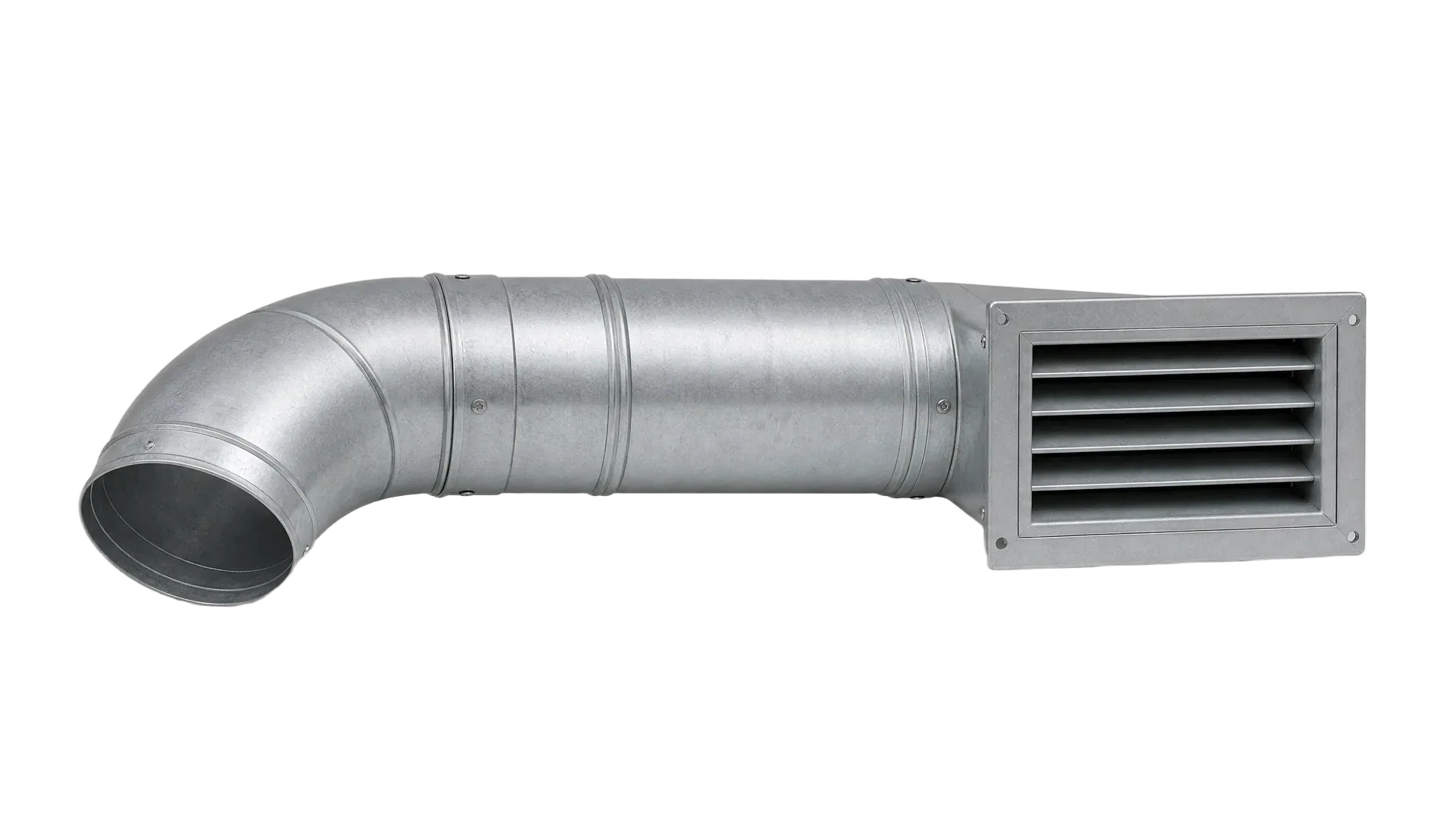

Sealed by a contractor
Someone inspects every run, seals what's leaking, and tells you what they found. No calling around to find who does this kind of work.
Leaky ductwork usually shows up as rooms that never feel right. One bedroom stays cold all winter no matter how high the thermostat goes, or the air coming out of a vent feels weak compared to the rest of the house. You might notice your oil use climbing even though the weather isn't any harder than last year, because the warm air meant for your rooms is leaking out into the attic or crawlspace before it gets there. Dust building up fast near vents, or a musty smell when the system kicks on, can mean ducts are pulling air from a crawlspace instead of from inside the house. With oil heat and electricity costs what they are around Augusta, air going missing between the furnace and the register costs you twice: once to heat it, once to lose it. A contractor can pressure test the system and find exactly where it's leaking.
Half the homes here were built by 1975
Half the homes in Kennebec County were built in 1975 or earlier. Ductwork that old has had decades for joints and seams to work loose.
Heat runs September through May
Heat runs September through May here, close to nine months. That's nine months for air to leak out of ducts before it reaches a room.
Cooling runs July through August
Cooling only runs July and August. Leaks cost less in summer, but the same gaps run almost all year once the furnace starts.
ACS 2020-2024 · NOAA nClimDiv 1991-2020
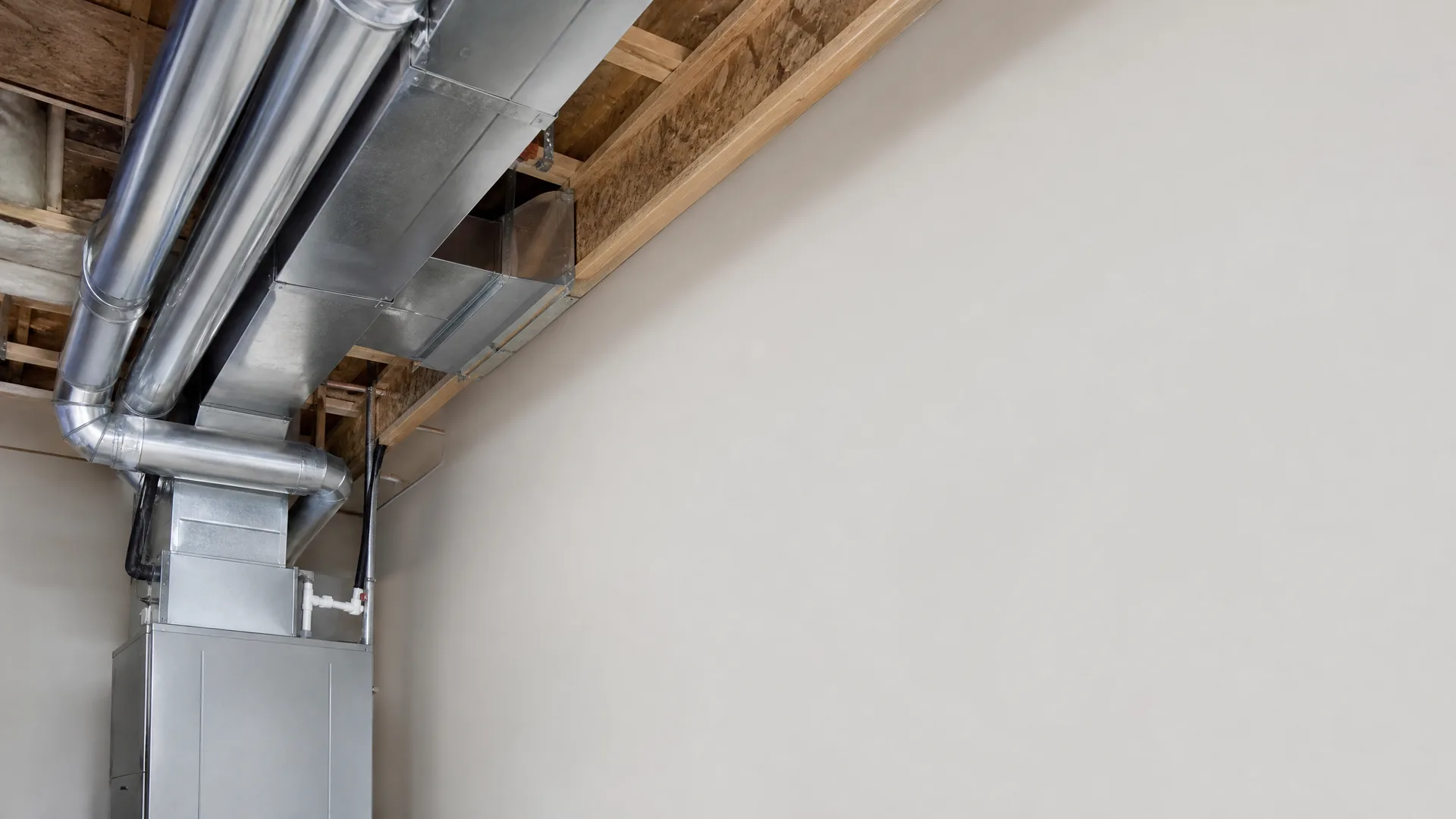
A basement or crawlspace often has exposed duct runs, and you can check these by hand. Hold your hand near the joints and seams while the furnace is running. A rush of warm air on a cold day means a leak. Look for streaks in the insulation wrapped around the duct, or for sections where the foil tape has curled back and let go. These are the leaks a contractor can seal without opening up a wall.
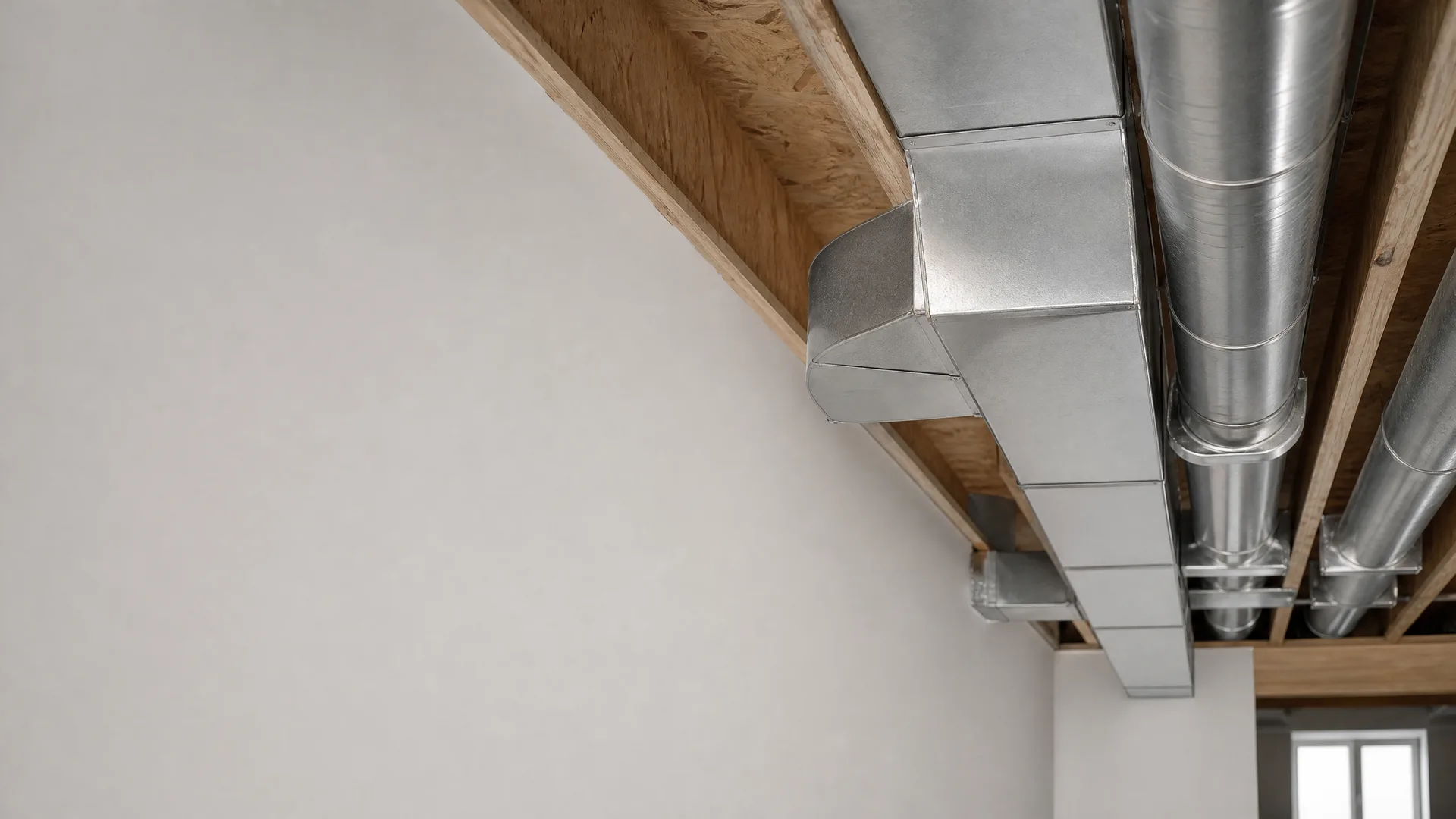
Plenty of ductwork in Augusta homes runs inside walls, under slabs, or through floor joists you can't get to. A leak there won't show itself to the eye. You'll notice it instead as a room that won't heat, a rise in oil deliveries, or dust coming out of a vent in a room that's supposed to be sealed. Finding these takes a pressure test or a smoke test, the kind of check a contractor runs room by room.
Walk from room to room and pay attention to what you feel underfoot and in the air. Dust seems to settle faster in some rooms than others, and you might see a faint gray line near the floor vents or along the ductwork in the basement. The furnace cycles on more than it used to, running longer to reach the same temperature. Your oil tank empties faster than it did a few winters back, and you're filling it more often without doing anything different. If the ducts run through the basement or attic, those spaces end up warmer than they should be in winter, which means heat you paid for is going nowhere near the rooms that need it. Left alone, the furnace works harder every season to make up the difference.
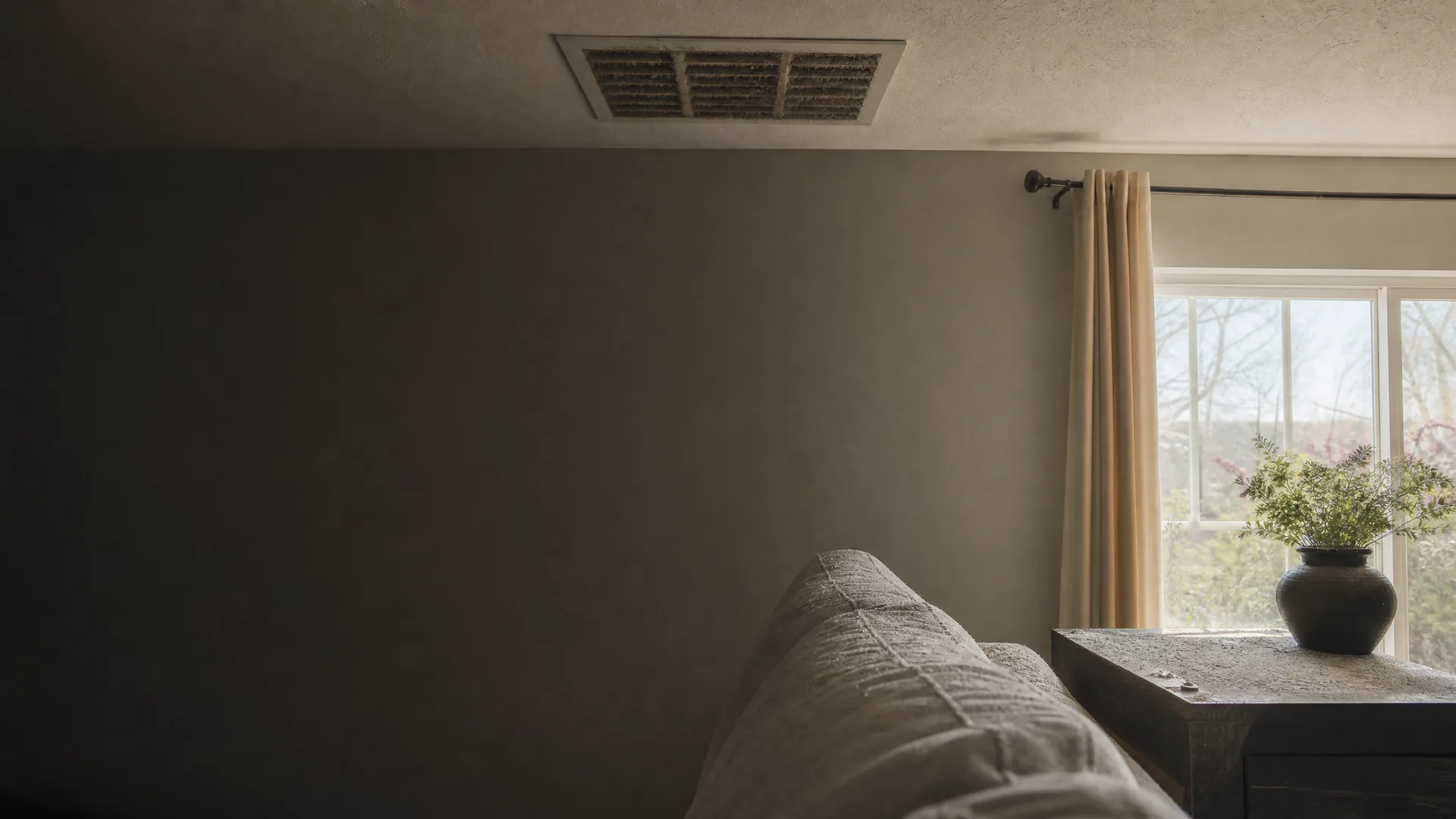
It's April, and the sun through the living room window is finally warm enough to show what the winter left behind. The ceiling vent grille has a soft gray collar of dust around it, and when you run a finger along the edge it comes away dark. The side table underneath has a thin film on it, the kind that builds up again a day after you wipe it. The furnace has been pushing air through that vent since September. If the duct feeding it runs through the attic or a wall cavity, it's been drawing in dust from those spaces the whole time and blowing it straight into the room where your kids do homework and the dog sleeps in the sun.
Skip calling around for someone who cleans ducts.
Sending the form costs nothing.
Oil-fired heat pushes warm air through the same ducts for nine months of the year, and every joint that's worked loose is a spot where that heat bleeds into the basement or the attic instead of your living room. The furnace doesn't know the air isn't reaching you. It keeps running to hit the thermostat setting, burning oil the whole time. Power in this part of Maine already costs more than most of the country, and if your furnace has an electric blower or igniter, a duct leak means that motor runs longer per cycle too. None of this shows up as a single bad month. It shows up as a bill that's a little higher every month than it should be, which is why it's easy to live with for years before anyone checks the ducts.
Sealed ductwork means the air your furnace heats actually gets to the rooms it was meant for, instead of warming a crawlspace nobody uses. That's less time the burner has to run to keep the house at temperature, which means less oil used across a Maine winter that runs long. It also means the blower motor isn't working overtime pushing air through gaps, which matters when that motor is drawing power at Kennebec County rates. A contractor who seals and balances the system can tell you which runs were leaking and by how much once they've tested it, something you can't get from feeling for drafts near a joint. Fixing it once means not paying for the same leak every winter after this one.




Someone inspects every run, seals what's leaking, and tells you what they found. No calling around to find who does this kind of work.
The cold room stays cold, oil keeps burning for rooms you're not using, and the dust and gray streaks keep showing up at the vents.


You keep living with the cold bedroom, the weak vent, the oil bill that climbs a little more each winter, and you never find out why.
Someone traces it to a seam that's worked loose, seals it, and the room holds heat the way it's supposed to for the rest of the winters you're in that house.
At 27.78 cents per kilowatt-hour, the fan that pushes air through your ducts isn't the expensive part, the oil is. But every leak makes your furnace run longer to heat the same rooms, and that longer runtime shows up on the electric side too, in the blower and any fan you run to even things out.
EIA-861 2025

A cold bedroom, a weak vent, dust around a grille, an oil bill that climbs a little each winter. These are the signs, and your ducts are either sealed or they aren't. There's no in between stage where it fixes itself.
If you've been meaning to deal with it, that usually means finding someone who works on ducts in Kennebec County, calling around to see who answers, and explaining the cold room and the dusty grille all over again to whoever picks up. Send the form here and that part is done. You won't be sorting through quotes or chasing callbacks to get someone looking at the seam that's been losing heat since before you noticed.



Let someone else find the pro
Answer a few questions instead of calling shop after shop.
