
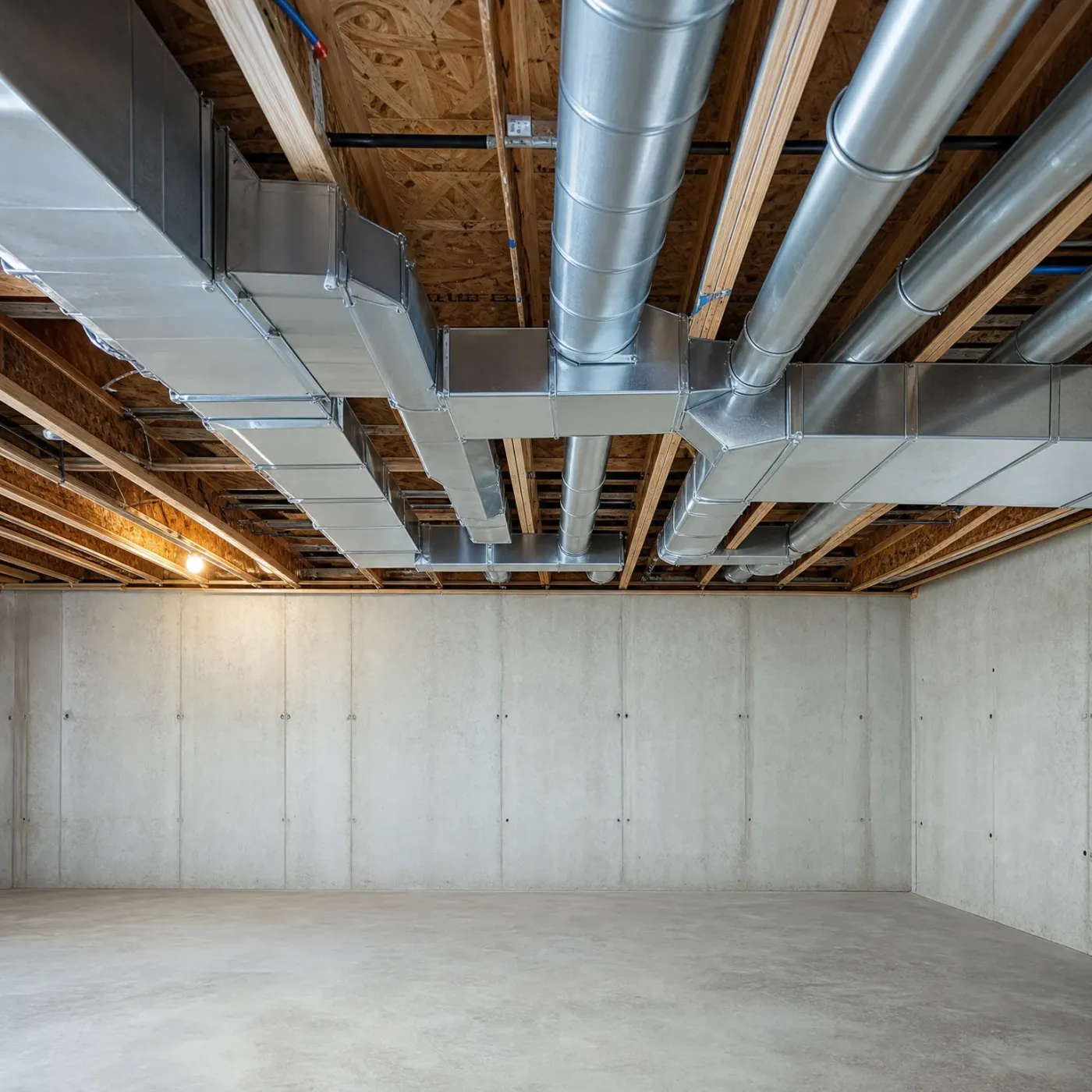
Clean ductwork
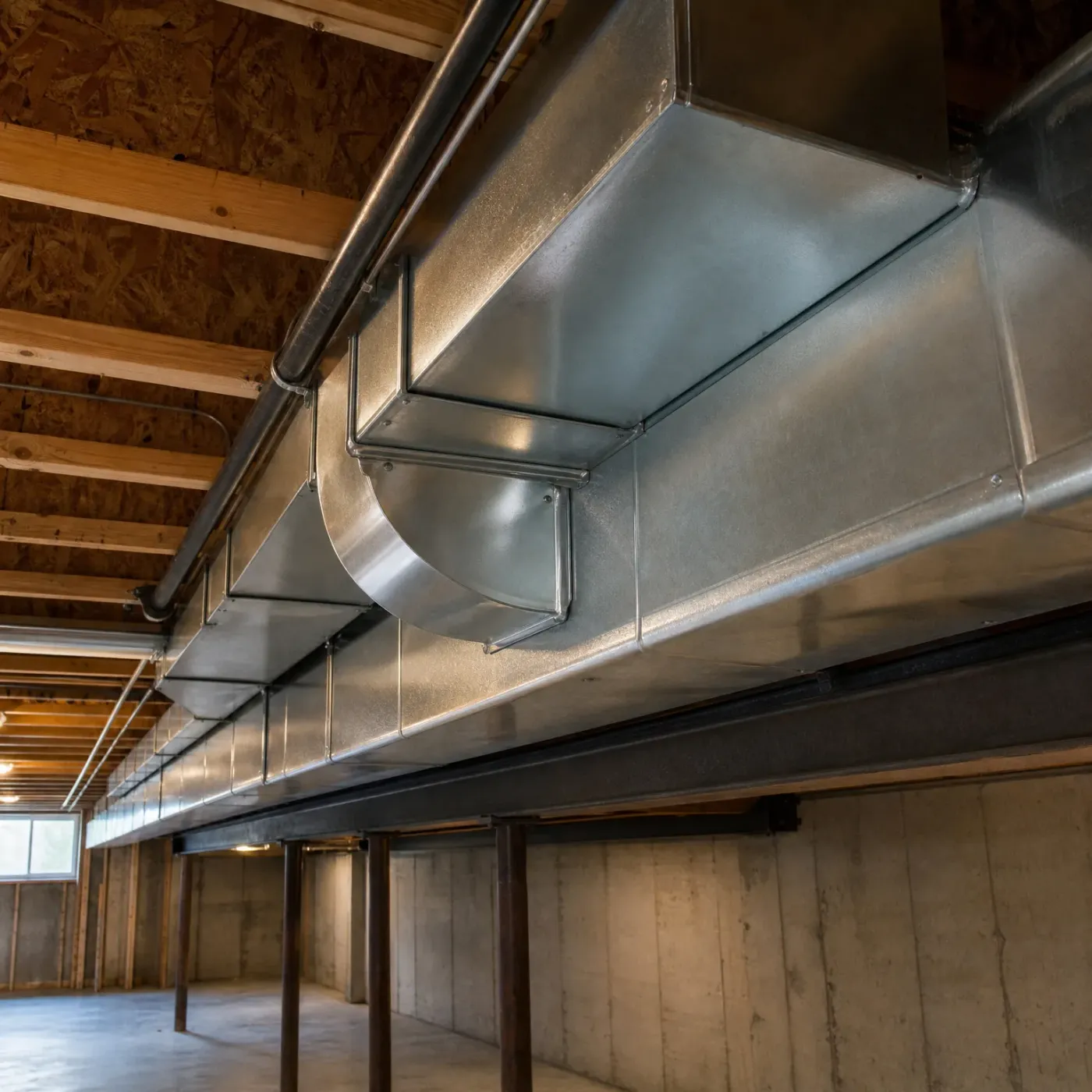
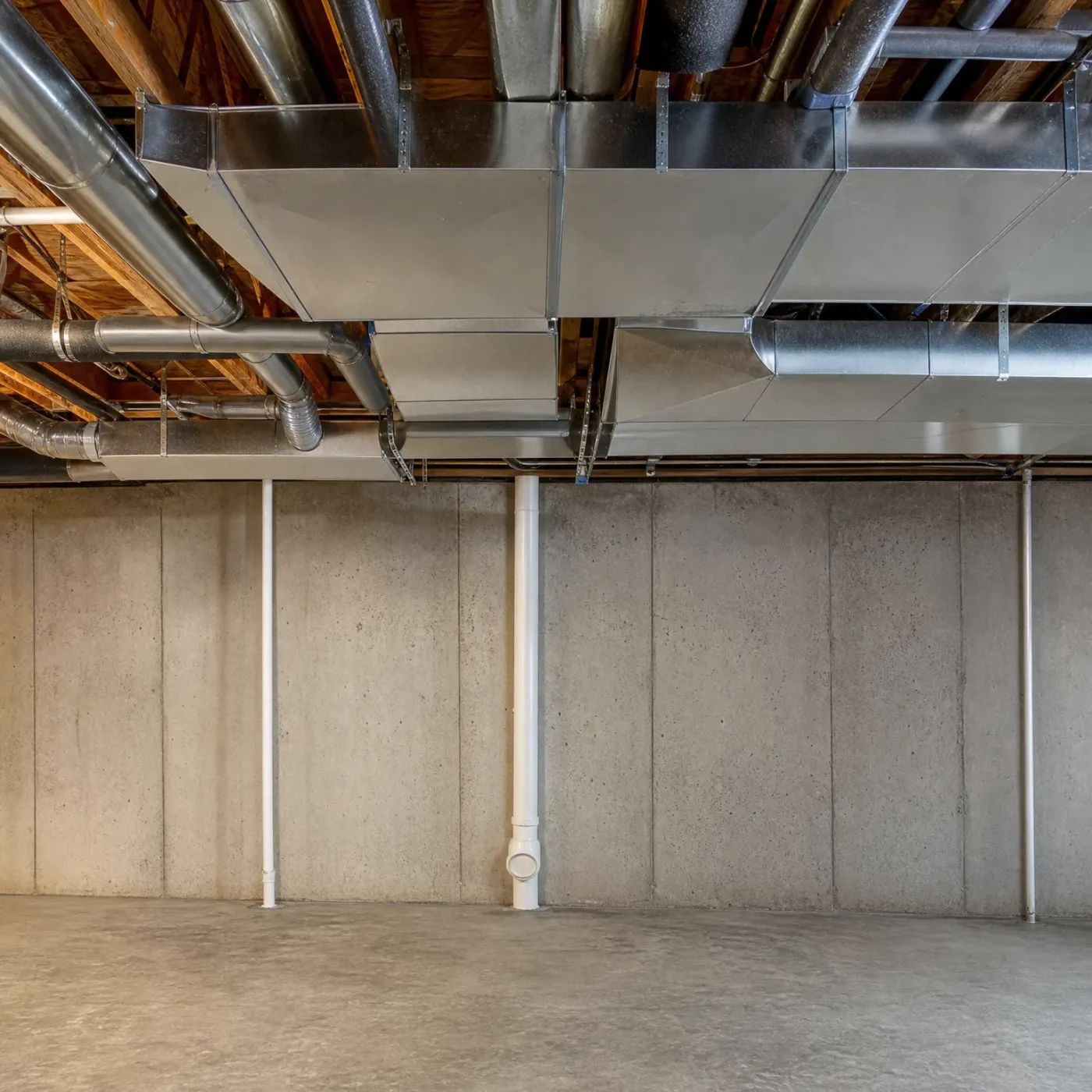
This is what duct metal looks like when it's not feeding dust into your rooms. The runs are clear, the surfaces are bare metal, and air moves through without picking up anything extra on the way to your vents.
Dust settling back on the furniture a day after you wipe it down usually comes down to the duct system, not your cleaning. In a lot of Bangor homes, oil heat runs hard from fall through spring, and that system pushes the same air through the same ducts for months without a break. Whatever is sitting in there, built-up dust, dander, debris, gets stirred up and carried right back into the rooms you just cleaned. Penobscot County winters don't let up, so that air keeps moving and keeps spreading it around. With power costs here among the highest in the country, you also want that system running clean, not working harder than it has to. Tell us a bit about your house and your system, and you'll be matched with a duct cleaning contractor who serves this area and knows what Bangor homes run into. They'll reach out to you directly. No tracking down numbers, no sitting on hold. You send the form, and finding the right person for the job stops being something you have to handle.
That dust is mostly what your duct system has been holding onto for years, getting stirred loose and pushed into your rooms every time the furnace runs. Oil furnaces here cycle on and off constantly from October through April, and every cycle moves air through ducts that collect dust, pet hair and fine debris along the way. A furnace running most of the day during a hard Bangor winter is moving that air through the same ducts dozens of times a day. If the ducts haven't been cleaned in years, or ever, they're carrying more buildup than the filter can catch, and some of it gets pushed back out through the vents. A leaky duct run can also pull in dust from inside your walls or attic space and add it to what's already circulating. The dust settling on your furniture isn't new dirt coming from outside. It's what's already living in your ducts, on repeat, every time the system kicks on.




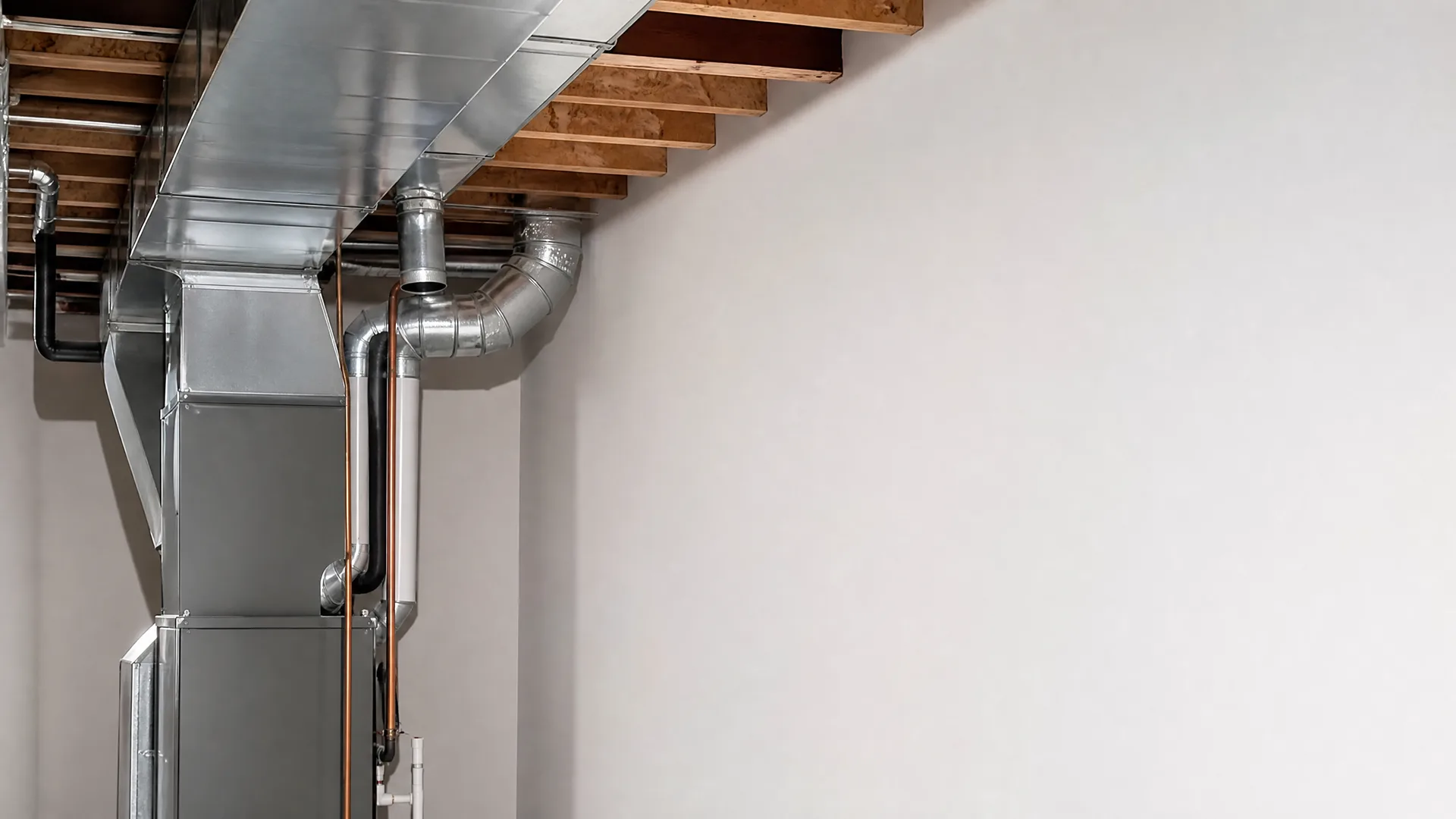
An oil furnace burns dirtier than gas, and some of that residue ends up in the ductwork rather than going out the flue. Combined with the dust and pet hair already settled in the ducts, every heating cycle pushes a little more of it into your rooms. With oil furnaces running hard from fall through spring here, the ducts have months to collect material before you ever notice the dust on your furniture.
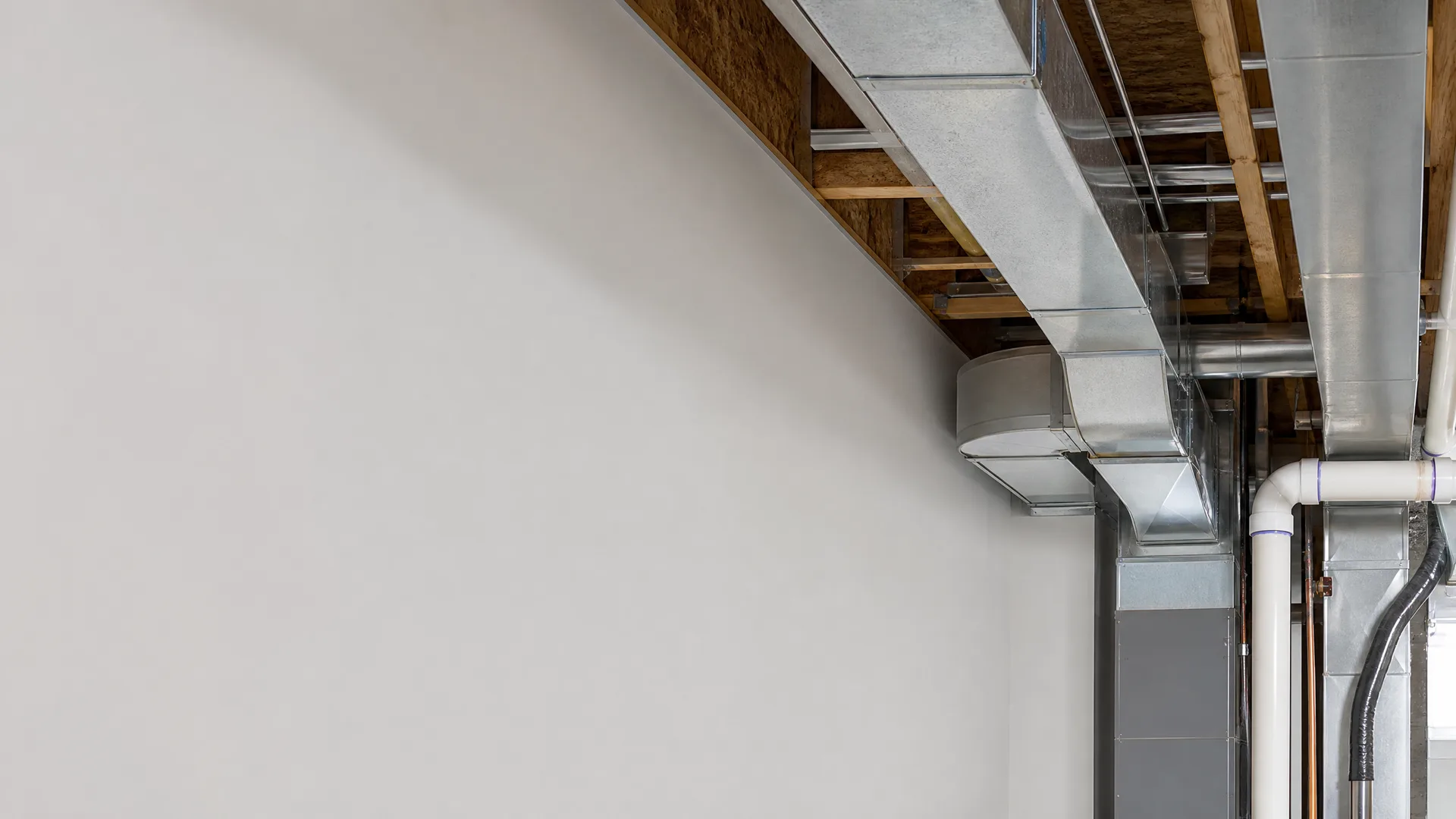
Your furnace filter is built to protect the blower motor, not to scrub every particle out of the air. Dust that settles in the ducts between filter changes sits there until the next blow of air stirs it loose again. A filter change helps, but it does not reach the dust already coating the inside of the duct runs, which is why wiping down furniture stops working after a day or two.
Why does my furnace keep blowing dust into the house?
Your furnace is just the fan. The dust is already sitting in the ducts, and every time the blower kicks on, it pushes air across that buildup and carries some of it into your rooms. With oil heat cycling on and off all winter, that happens dozens of times a day from October through April. The filter catches what passes through it, but it was never built to strip dust off the inside walls of the ductwork itself. So the furnace keeps running the way it should, and the dust keeps coming anyway, because the real problem is upstream of the filter, inside the ducts feeding every room in the house.
This is what duct metal looks like when it's not feeding dust into your rooms. The runs are clear, the surfaces are bare metal, and air moves through without picking up anything extra on the way to your vents.
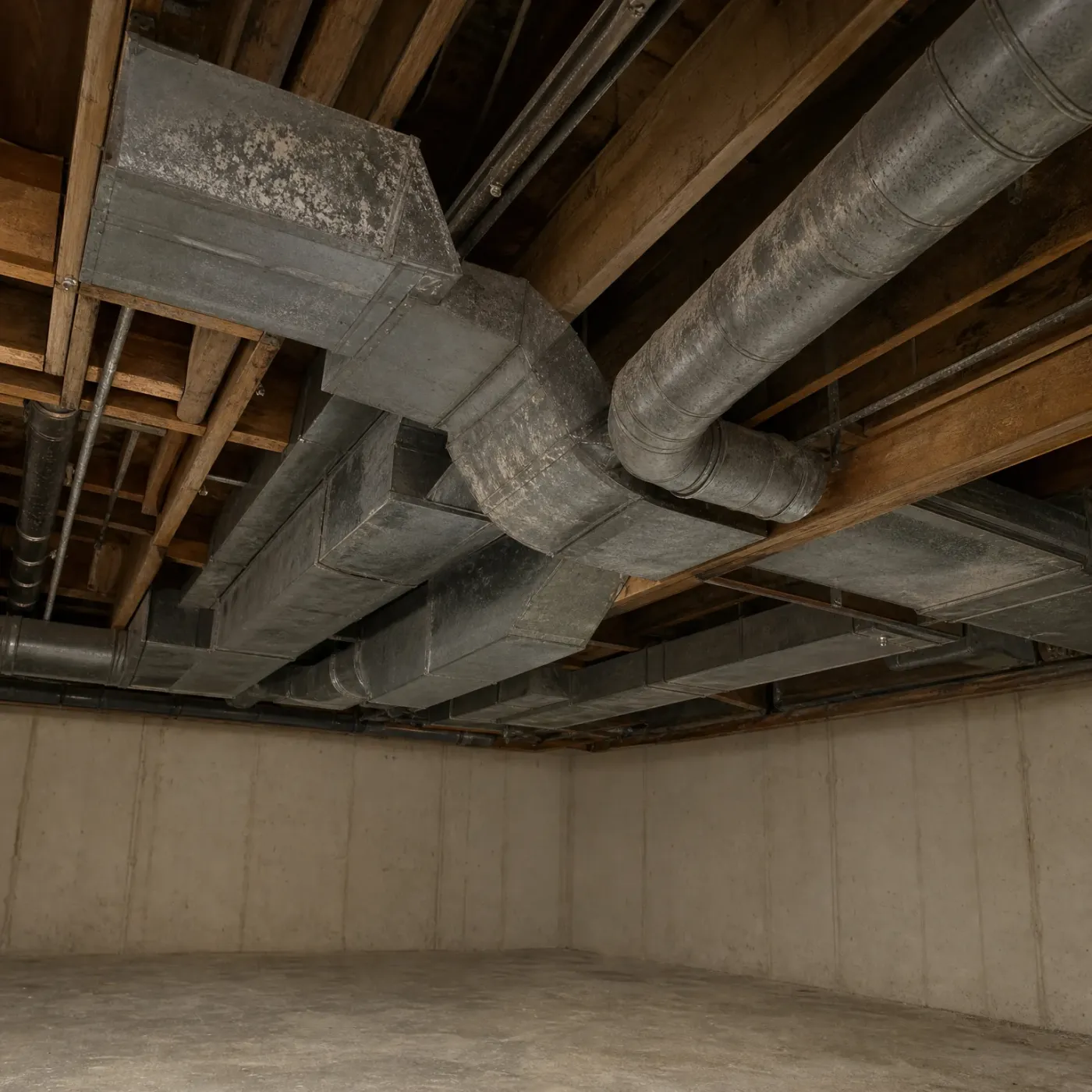
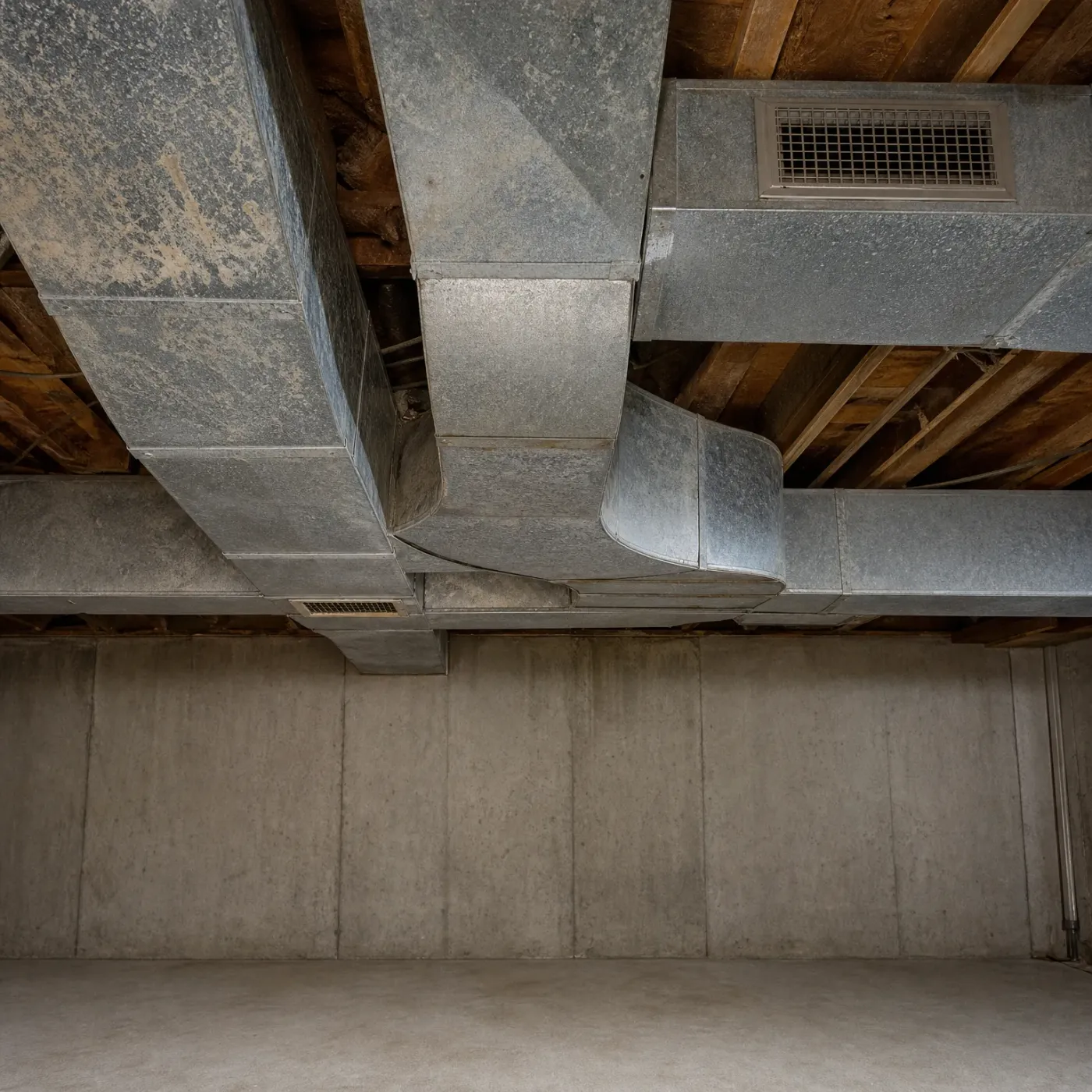
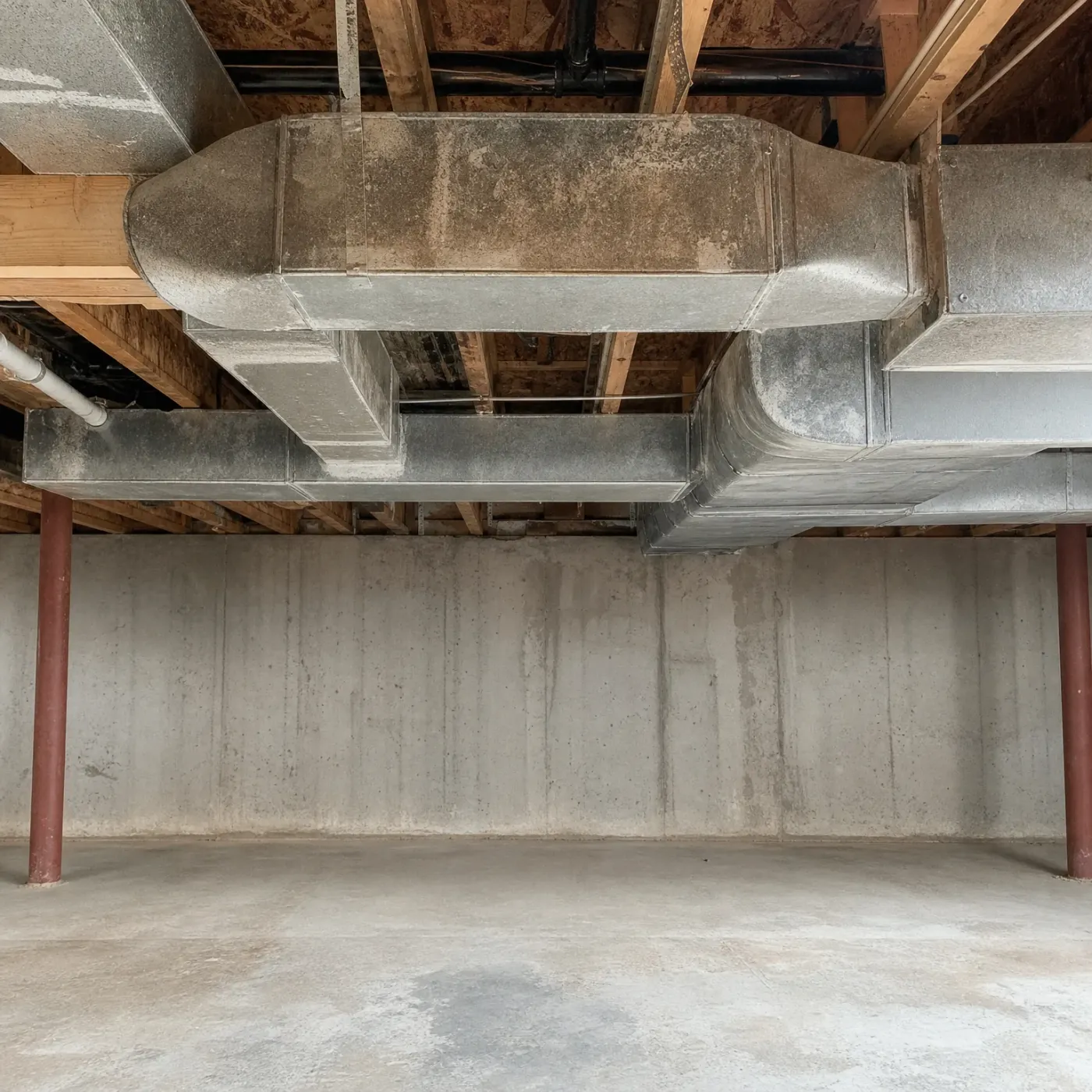
Years of oxidation and buildup coat the inside of runs like this. Every time the furnace kicks on, air drags across that coating and carries some of it straight into your living room and bedrooms.
Half the homes here were built by 1977
Heat runs nine months here, September through May, and your furnace pushes air through those same ducts the whole time.
Heat runs September through May
Half the homes in Penobscot County were built in 1977 or earlier, so the ductwork in a lot of houses has had decades to collect dust.
Cooling runs July through July
Cooling only runs in July here, so for eleven months a year it's the furnace, not the AC, moving dust through your ducts.
ACS 2020-2024 · NOAA nClimDiv 1991-2020


Send the form and the duct cleaning stops sitting on your list.
A local pro who knows ducts gets your details and gets in touch.
You only hire the pro if you want to.
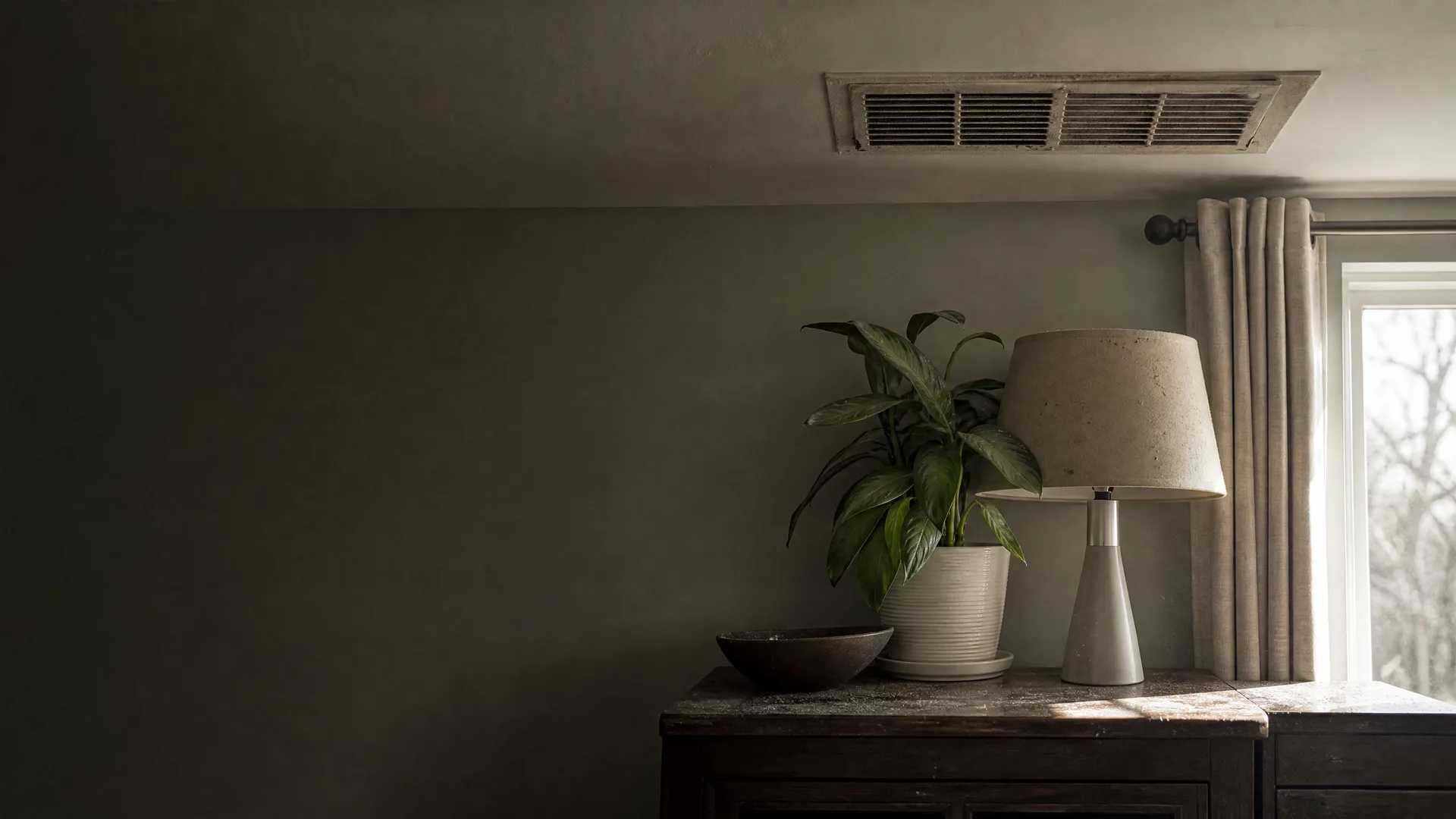
It's a Saturday morning in May, sun coming through the living room window, and you finally get around to wiping down the shelves. By the time you're done with the coffee table, you look up at the ceiling vent and there it is again: a gray ring of dust around the grille, like it was never cleaned at all. You run a finger along the top of the picture frame you just dusted an hour ago and it comes away gray. The furnace hasn't run in days. It doesn't need to. Whatever's sitting in those ducts is still finding its way down into the room, settling on the same surfaces you just cleared off.
Walk through the house and check the vents first. A gray smudge around the register, a film on the sill a day after you dusted it, a sneeze that starts as soon as the furnace kicks on. Look at the floor near a supply vent and you may find a faint dark streak where air has been pushing past it all winter. Pet hair that collects at the base of a register instead of out in the room is another sign air is moving through something dirty to get there. None of this means your house is dirty. It means the air circulating through it is carrying more than it should, and a household with allergies or a new baby will feel that before anyone else does.
Dust and debris settle in the duct runs over years of use.
The furnace draws return air and pushes it through those same ducts.
Moving air stirs loose dust off the duct walls each cycle.
Supply air carries that dust straight out through your vents.
At 29.47 cents a kilowatt-hour, running a shop vac or an air scrubber through a DIY duct cleaning adds up fast. A contractor pulling dust out of the runs with proper equipment keeps that cost off your bill while actually clearing years of buildup, not just the few feet you can reach.
EIA-861 2025
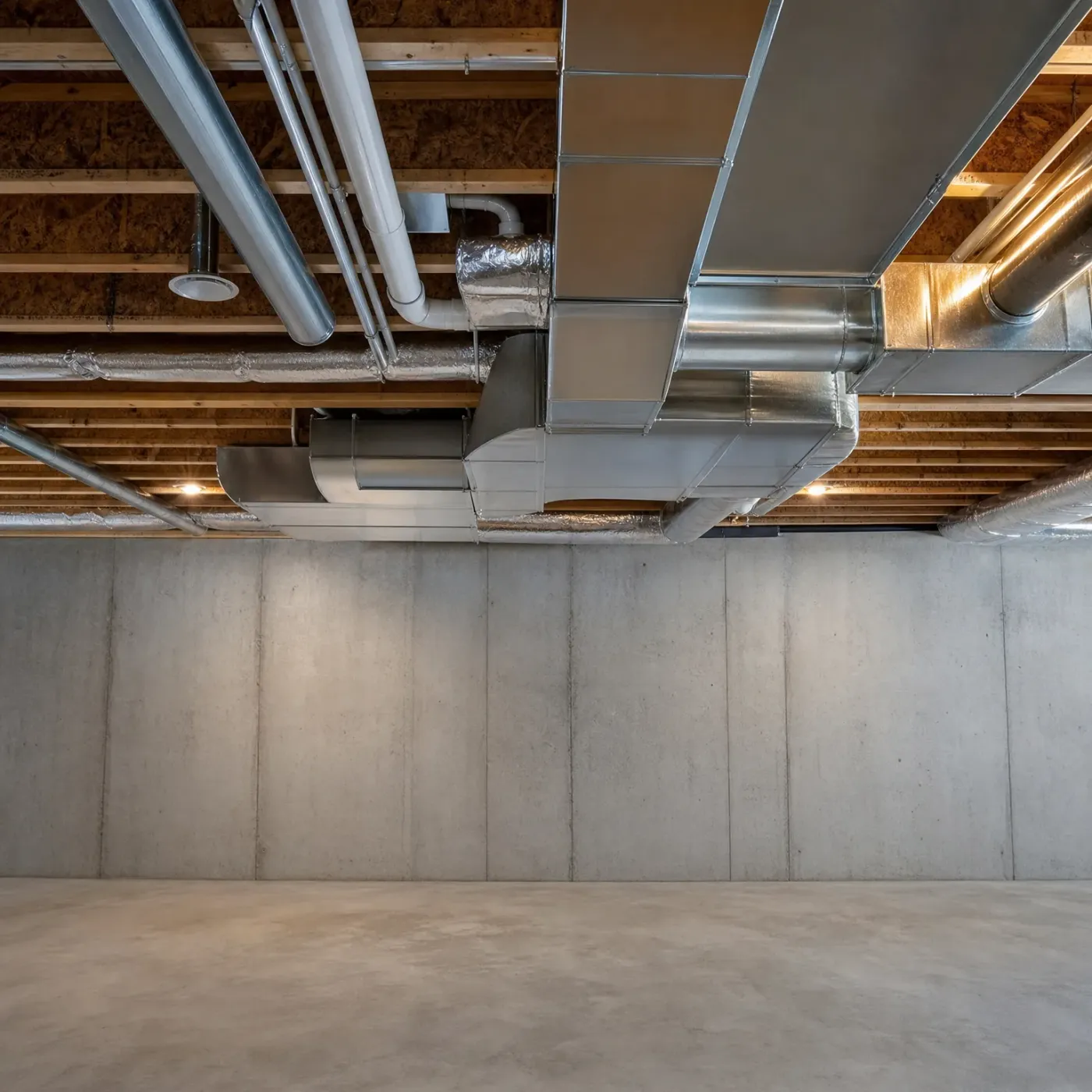
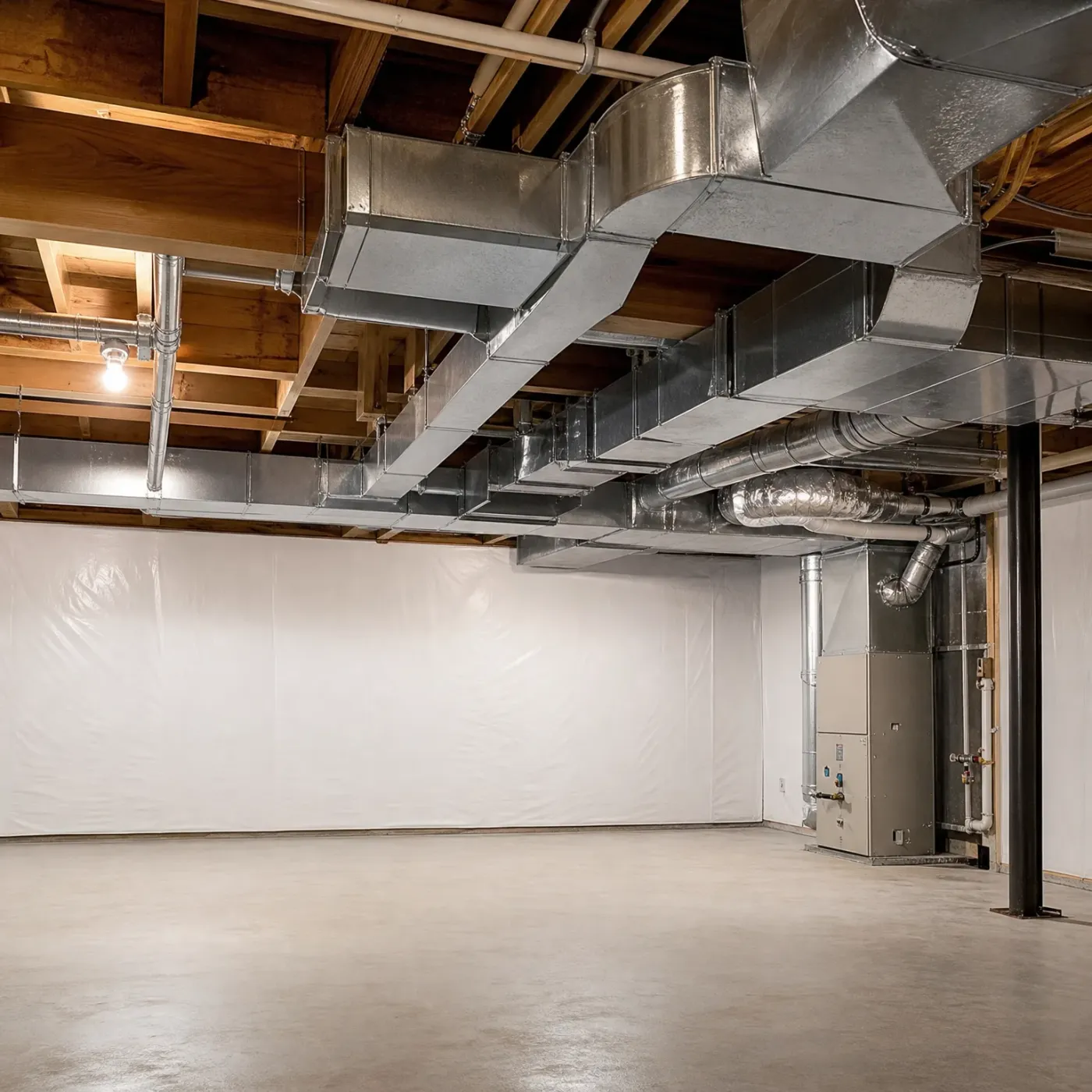
Clean metal runs between the joists, moving air from the furnace to your rooms and nothing else. No film on the duct walls, no haze around the pot lights nearby. The air that leaves your vents is the same air that went in.
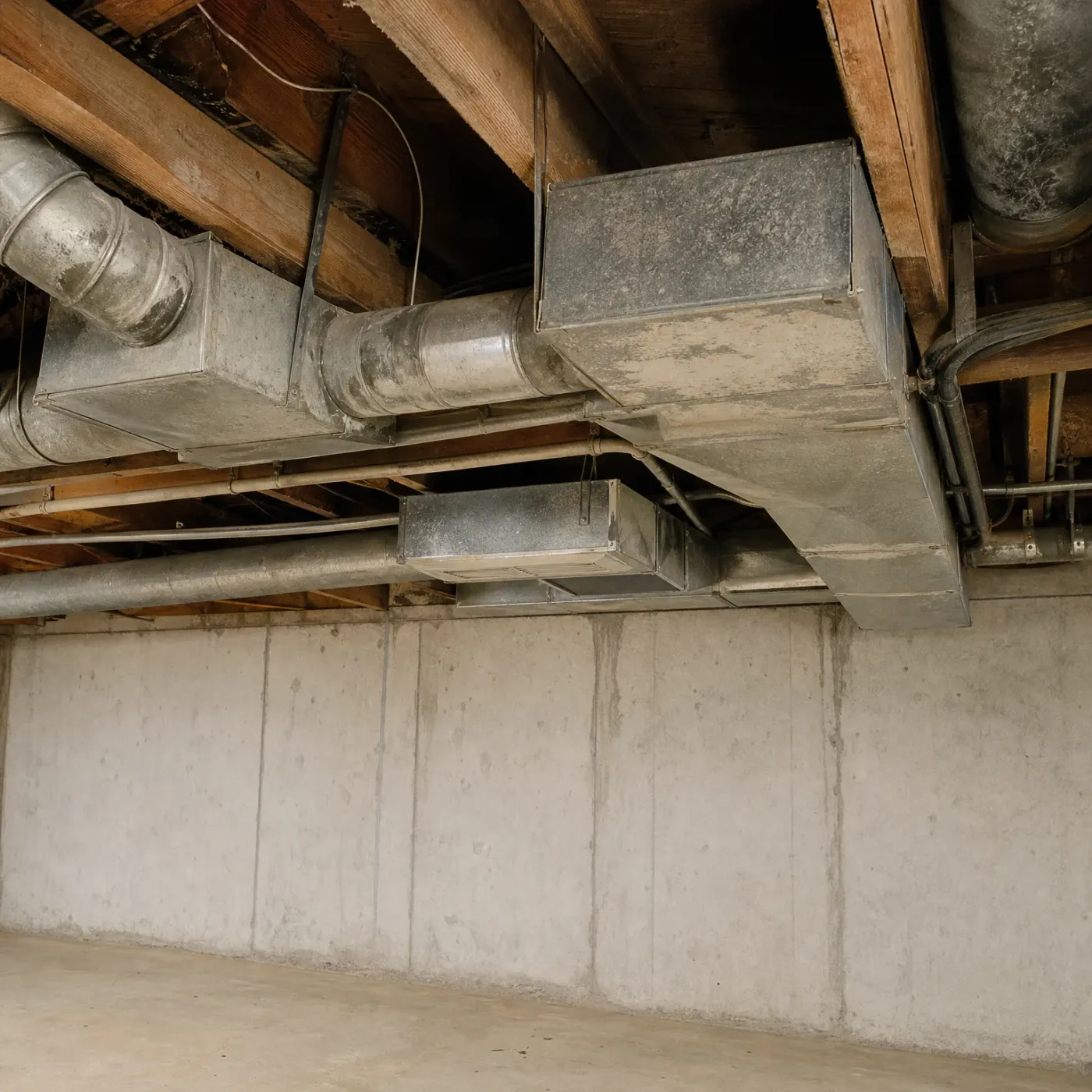
Dust lines the inside of these trunks and branch ducts, built up through winters of oil heat running hard. Every time the furnace cycles, some of it lifts off the metal and rides the air straight to your vents.

Your ducts have been holding years of buildup, and nine months of oil heat a year keeps pushing it back into your rooms. That's the whole answer. It's not your cleaning, and it's not something that gets better on its own once the furnace shuts off for the season.
A contractor can get into those runs with the right equipment and clear out what's settled there, which is more than a vacuum at the register will reach. From here, the next step is getting matched with someone who works on duct systems like yours in the Bangor area, and having them reach out to look at what you're dealing with. You've done the work of figuring out where the dust is coming from. Finding someone to deal with it doesn't have to be the next thing you carry.


A duct system pro near you