Ductwork that's doing its job
Clean galvanized duct like this moves air and nothing else. No dust ring around the registers, no soot haze near the plenum, no smell when the furnace kicks on. Air goes in, air comes out, and that's the whole story.
 Hand it over
Once you send the form, finding a pro is off your list.
You're asking because something made you wonder. Maybe it's dust on the registers, or someone in the house has been sneezing more than usual, or the furnace just seems to run longer than it should. In an oil-heated house like most of the ones around Lewiston, the furnace works hard from October through April, and the ductwork carries that heat through every room for months at a stretch.
Whether cleaning the ducts is worth doing depends on things specific to your house, and the rest of this page walks through that. But if you decide it's worth doing, the harder part is usually finding someone who'll actually show up, give you a straight answer, and do the work right.
That part doesn't have to be yours. Send the request through this page and it goes to a licensed contractor who works in the Lewiston area and handles this kind of job on homes like yours all the time, oil furnaces, forced-air ducts, the works. You're not left sorting through a list of companies or fielding calls from several at once. It goes to one contractor who knows the equipment common to this area and what tends to need attention in it.
From there, finding someone to look at your ducts stops being something you have to manage. You've already done the part that was yours to do.
You've probably seen the oil soot that collects near your furnace room, or noticed the registers look dirtier than the rest of the house. With oil heat running most of the year here, it's a fair question whether cleaning the ducts actually does anything or if it's just an upsell. You want to know if this is something worth spending money on or something you can skip.
Duct cleaning earns its keep when there's something specific to remove. Oil furnaces, common around Lewiston, put off soot that settles inside the duct runs over years of heating, and that soot can work its way back into the air you breathe. The same goes if you've had mice or squirrels get into the ductwork, or if a remodel left drywall dust inside the system. Without one of those reasons, the ducts mostly just move air, and cleaning them on a fixed schedule doesn't do much. The filter is doing the real work of keeping dust out of the air day to day. Check the supply registers for black residue or dust buildup before deciding it's worth having someone look.
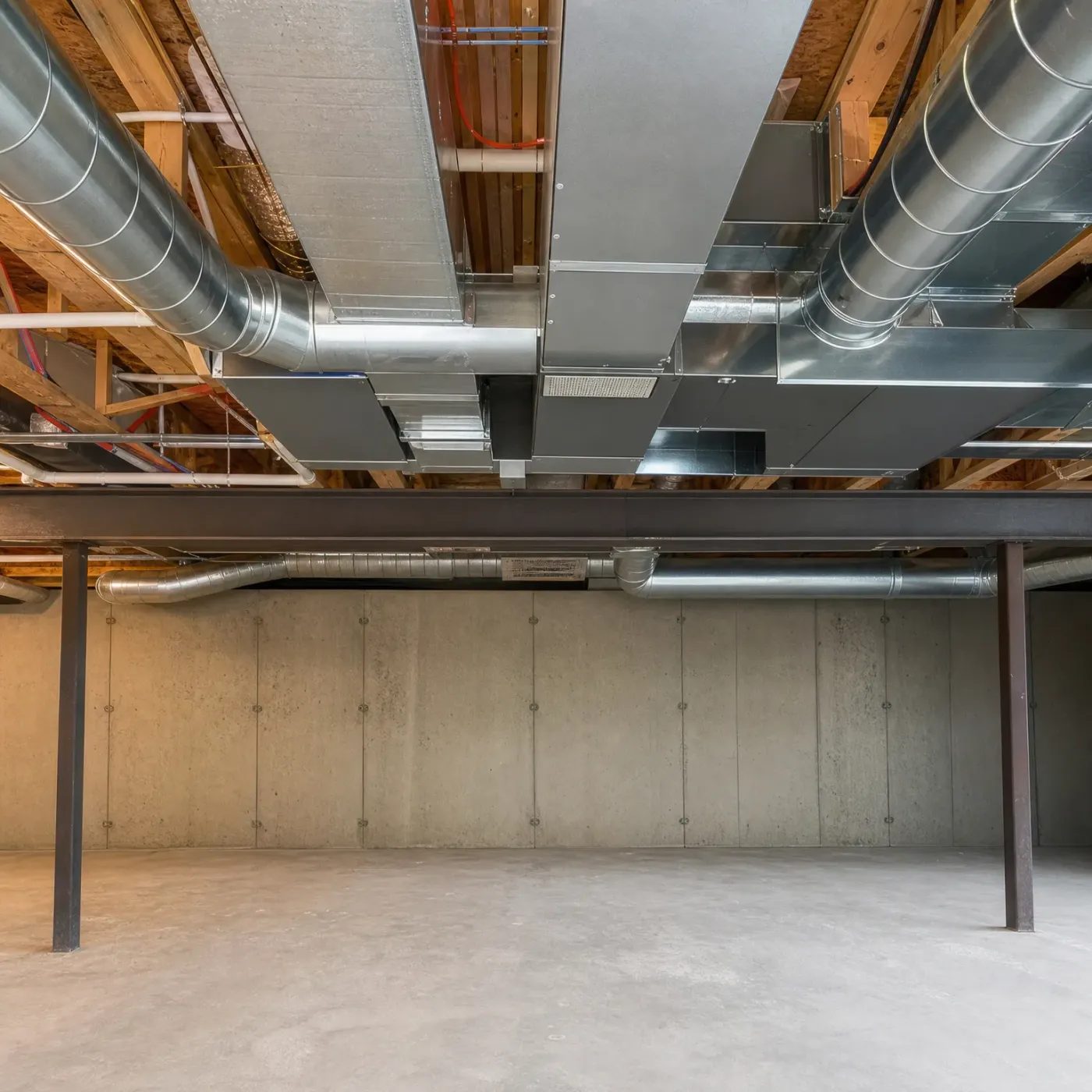
Clean galvanized duct like this moves air and nothing else. No dust ring around the registers, no soot haze near the plenum, no smell when the furnace kicks on. Air goes in, air comes out, and that's the whole story.
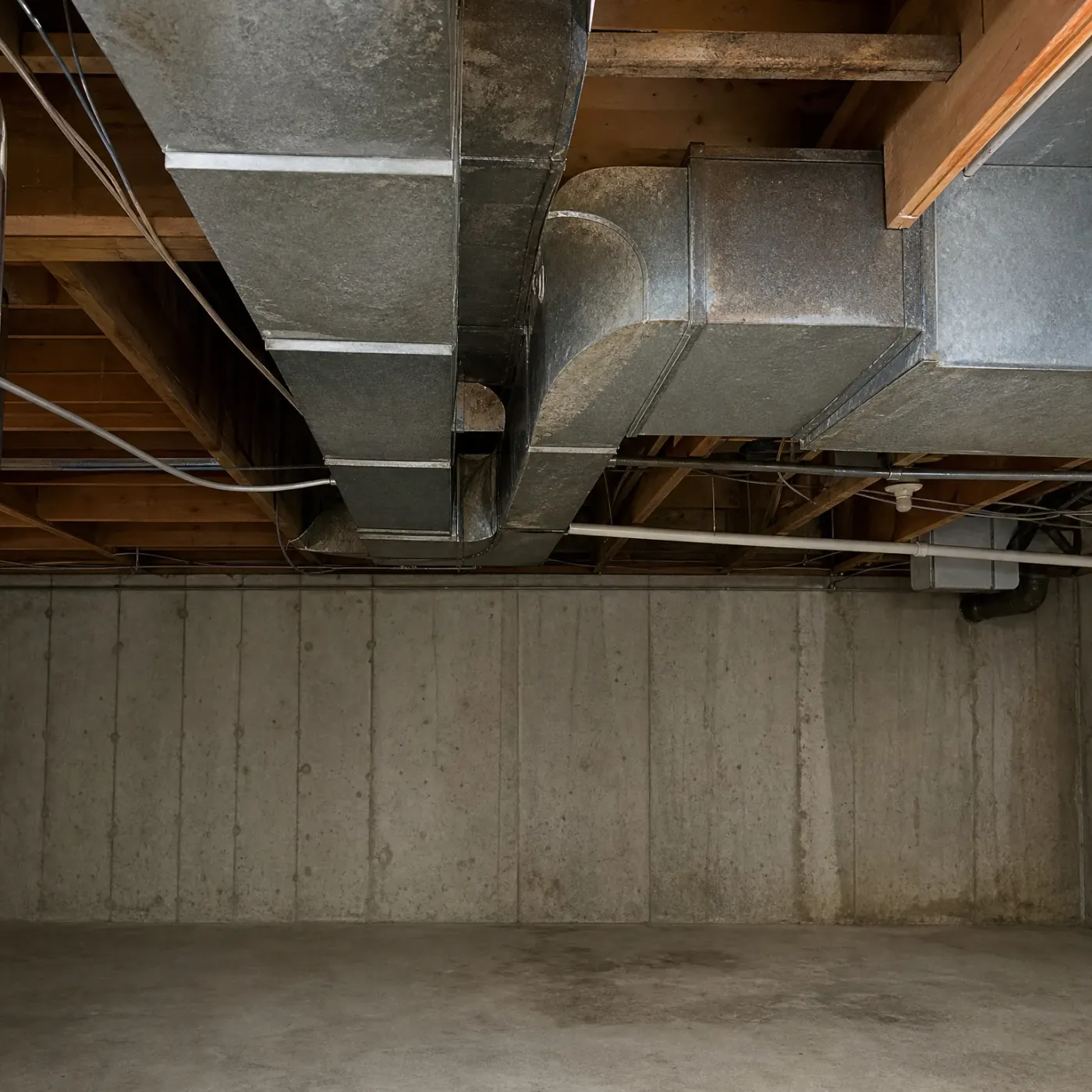
Oil soot settles on duct runs over a winter and builds up year after year if nothing clears it out. If your basement ducts look like this, with a dark film along the seams and the joists above them, that's oil residue finding its way through the system, not just dust.
Half the homes here were built by 1969
Half the homes in Androscoggin County were built in 1969 or earlier. Older ductwork is more likely to have gaps or seams that let dust and soot into the system over the years.
Heat runs September through May
Heat runs about nine months a year here, September through May. That's nine months of oil-fired air moving through the same ducts, carrying soot and dust with it.
Cooling runs July through August
Cooling only runs about two months, July and August. The rest of the year, your ducts are working for the furnace, not the AC, so what builds up in them is mostly a heating problem.
ACS 2020-2024 · NOAA nClimDiv 1991-2020
A crew doesn't just stick a vacuum hose in one register and call it done. The work starts at the furnace, where access panels come off so the blower wheel and coil housing can be reached directly, since dust settles there the same way it does on a register. From there, a rotary brush or an air whip works down each branch of the supply side while a vacuum truck holds negative pressure on the system, pulling loosened dust toward the truck instead of letting it drift back into the house. The return side gets its own pass, because that's the half of the system actually pulling dust and soot back toward the furnace in the first place. With oil heat, the material coming off the duct walls is finer than plain household dust, and it tends to cling to galvanized metal longer, so an oil-heated system usually takes more time to clear than a gas forced-air setup would. Before any of that starts, a camera run through the ductwork shows whether what's built up is sitting loose in the duct or working its way in through a gap in a seam. That distinction matters, because a cleaning only deals with what's already inside. If a seam is letting dust and soot leak in from outside the duct, sealing it during the same visit is what keeps the system from needing another cleaning a year or two down the road.





This is what a duct system looks like when there's nothing to find. The runs sit open in the joists, the furnace draws and pushes air through them, and nothing in the basement smells like soot. No dust shadow where the duct meets the register. That's the baseline every system here starts from.

Same layout, different story. Oil soot has worked its way along the seams and settled inside the rectangular runs. Dust pulls in through gaps near the joints every time the blower cycles. You might not see it from the basement floor, but it shows up on the registers upstairs and in how often the filter needs changing.


You've read what's in your ducts and what oil heat does to them over a Lewiston winter. The next step is finding out what's actually sitting in yours, and that's a look, not a guess. A local contractor who cleans ductwork in houses like the ones around here knows what nine months of oil heat leaves behind, and whether what you're seeing near your registers or your furnace room is normal buildup or something worth clearing out. That's a different read than you can get standing in your own basement. Send the request and someone who works on this equipment all winter takes it from there. If your ducts are clean, you'll know it and stop wondering. If they're not, you'll have a straight answer about what's in them instead of a guess based on dust on a register or a smell near the furnace.
A duct cleaning job uses a vacuum truck parked outside, connected to the ductwork through a hole cut near the furnace. That truck pulls enough negative pressure to carry dust, soot and debris out of the branch lines as a brush or air whip knocks it loose, and everything gets pulled outside into the truck rather than back into your house. You can see the difference in the access panel afterward. Galvanized duct that was gray with soot comes out bare metal. That's not a sales claim, it's what's sitting in the truck when the job is done, and it's the same material that was coating your supply runs and blowing out of your registers before the brush ever went in.
The return side pulls air out of your rooms and sends it back to the furnace, so it's the return that drags in whatever is loose in the house, pet hair, dust off the floor, soot if your burner isn't tuned right. That's why a return line often shows more buildup than the supply lines feeding your rooms. A contractor cleans the two separately because they're doing different jobs. The supply side carries heated air outward and can show less residue even in an older system. Checking both tells you where the real problem sits, instead of guessing from what you see at one register near the living room.
At 27.78 cents per kilowatt-hour, running a furnace blower longer than it needs to costs more here than almost anywhere else. A duct system clogged with dust and soot makes that blower work harder to push air through, and you pay for that extra draw all winter.
EIA-861 2025
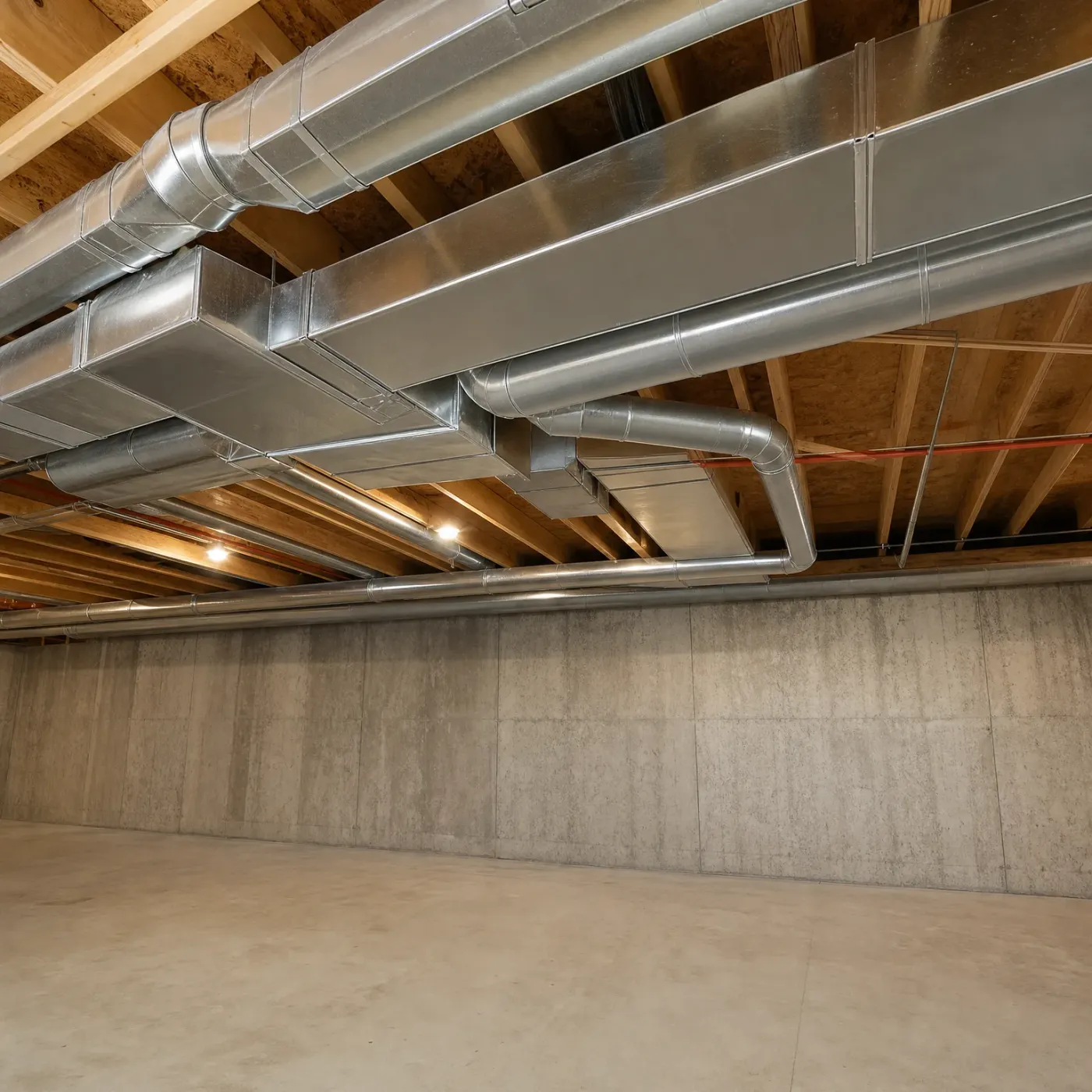
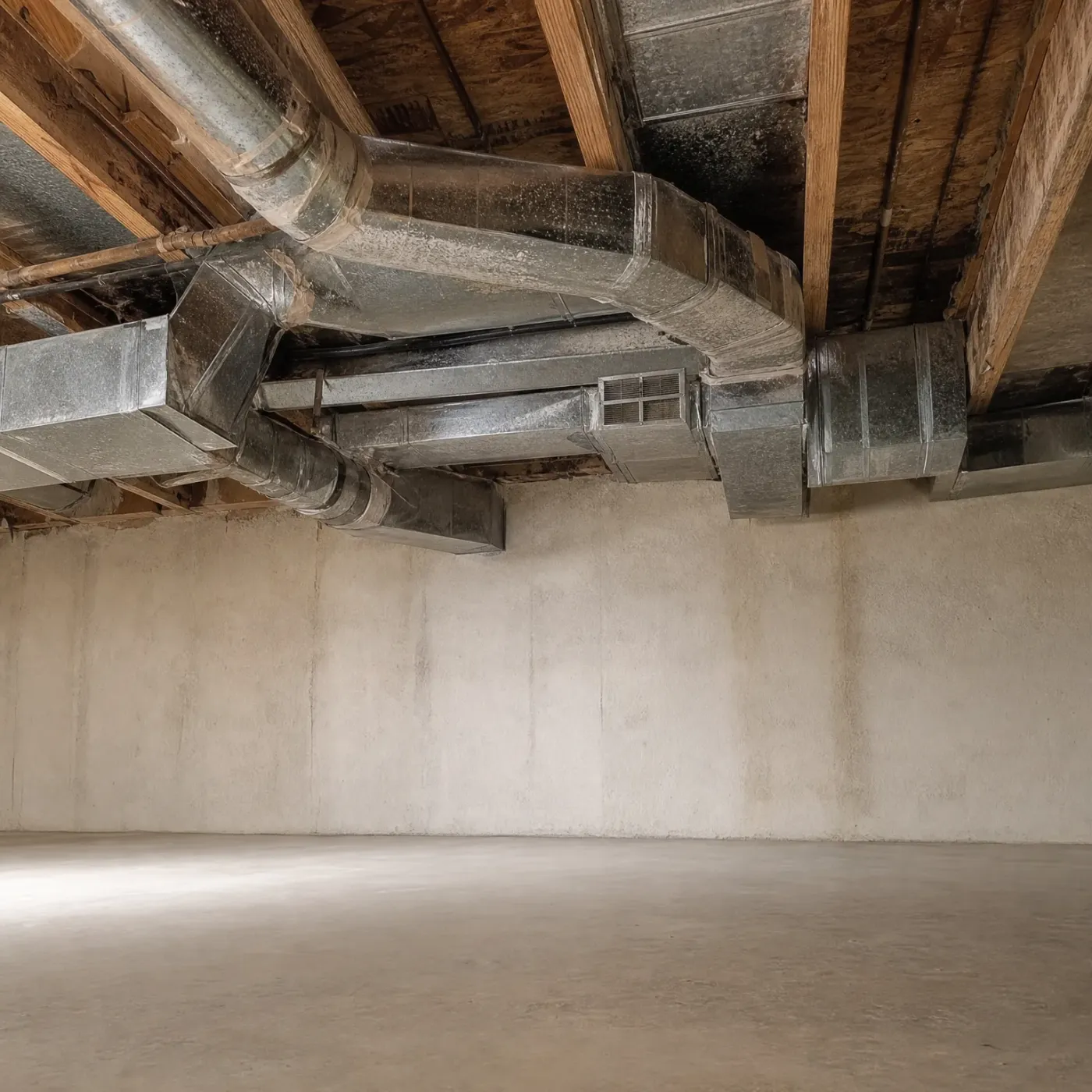
A technician cuts an access hole near the furnace plenum.
A vacuum truck outside connects to that hole and pulls negative pressure.
A rotary brush or air whip runs down each supply branch.
Dust and soot get pulled loose and carried into the truck.
So is duct cleaning worth it in Lewiston? If your ducts are older, if soot has worked its way into the branch lines over enough winters, or if the dust around your registers keeps coming back no matter how often you wipe it down, then yes, it's worth having someone look. If the system is newer or was cleaned recently and nothing's showing up at the vents, there's no reason to pay for it now. A contractor who works on ductwork in houses around Androscoggin County every winter can tell you which one you're dealing with faster than you can guess at it yourself. That's someone who sees what nine months of oil heat does to a duct system season after season, and knows the difference between normal dust and a system that actually needs pulling apart. One local contractor looking at your actual ducts beats any general answer, including this one. You don't need a handful of estimates to find that out, just someone who already knows what to check.

Stop chasing a duct system pro