
What size generator runs a furnace in Maine
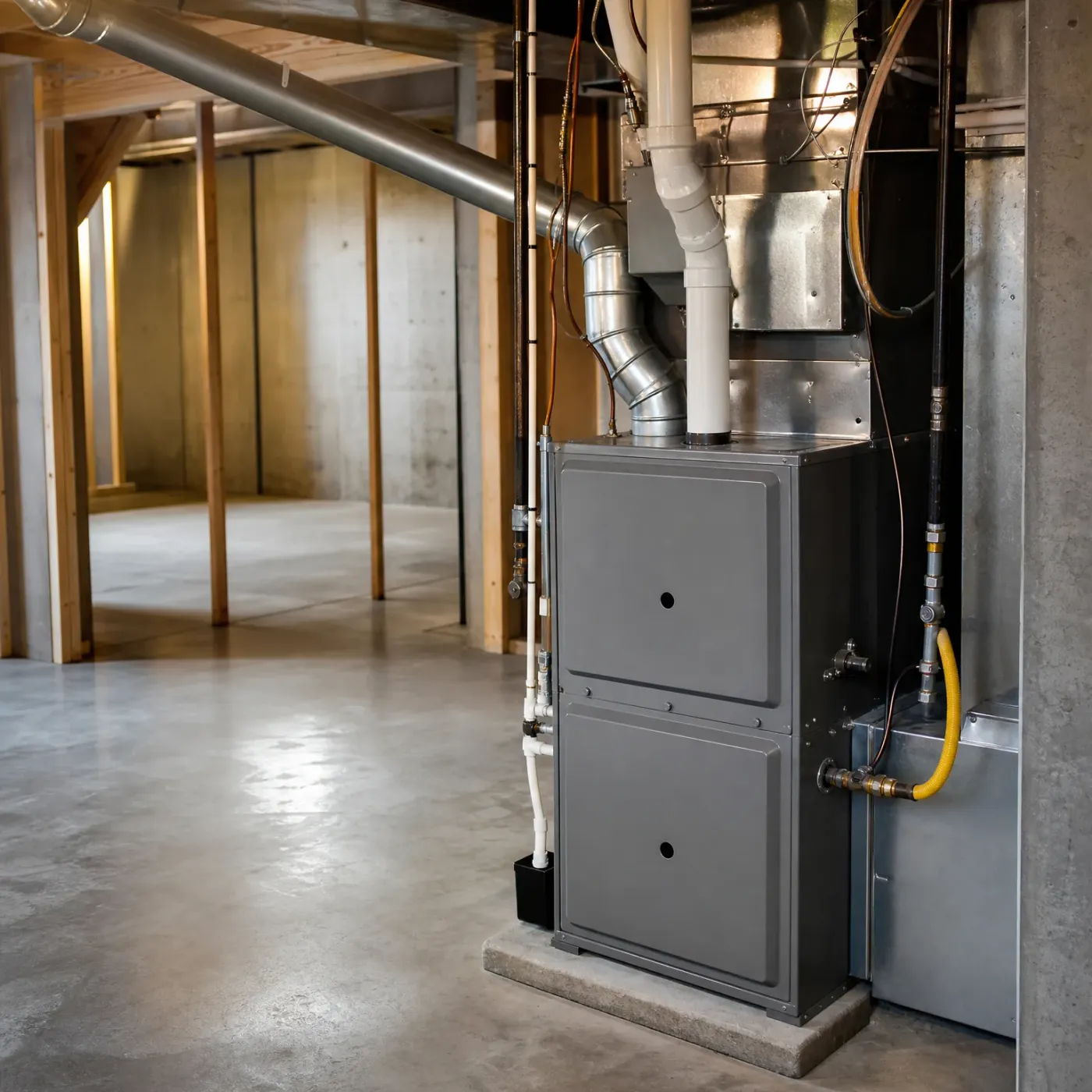
A furnace itself doesn't take much power to run. Most oil furnaces here need a generator in the 5,000 to 7,500 watt range, enough to cover the blower motor, the igniter, and the oil pump, plus the extra surge those motors draw for a second or two on startup. The furnace isn't the hard part. The hard part is what else you want running when the power goes out in a Maine winter and you're relying on oil heat with no utility power to run it at all. A well pump, a refrigerator, some lighting, and the furnace together usually call for something closer to 10,000 watts. Sizing it right means looking at your actual furnace nameplate and whatever else needs to stay on, not guessing. A generator that's too small will trip or stall right when you need heat most, which is why this is worth getting sized and installed by someone who knows the equipment.


The furnace doesn't have its own power supply. It draws from the panel like the refrigerator or the lights, so once the generator is running, it's feeding the whole circuit the furnace sits on, not just the furnace. The blower motor is the part that pulls the most current, and for a second or two when it starts, it pulls even more than it does while running. That short spike is what catches an undersized generator off guard. The transfer switch is what makes this safe. It lets the generator take over the furnace's circuit directly, so there's no cord running through a window and no risk of backfeeding the line. Even though an oil furnace burns oil for heat, the igniter and the oil pump both run on electricity, so the furnace still needs that power to start and keep burning. If the generator is sized too close to the minimum, that startup spike can trip its breaker instead of letting the furnace run. A little extra capacity also leaves room to run a well pump or a sump pump off the same generator, if the house has one.
How the generator actually feeds it
- A furnace doesn't run on its own power, it pulls from the same panel as everything else in the house once the generator is feeding it.
- The blower motor draws the most current of any part in the furnace, and that draw spikes for a moment when it first kicks on.
- A transfer switch is what lets the generator feed the furnace circuit safely, instead of running a cord through a window or door.
- Oil furnaces still need power for the igniter and the oil pump even though the heat itself comes from burning oil, not electricity.
- Sizing too small means the furnace may try to start and trip the generator's breaker instead of running normally.
- A generator sized with room to spare also covers a well pump or a sump pump if the home runs on either.


Why startup draw matters most
The number that decides generator size isn't how much the furnace draws once it's running, it's the jump when the blower motor and oil pump first kick on. That spike lasts a second or two, but a generator sized only for the running watts will stall or trip right at that moment. This is why a furnace that runs fine on 5,500 watts might need a generator rated closer to 7,000 to actually start it. An installer sizing a generator for your furnace is sizing for that first second, not for the hour after.
Oil heat changes the math
A gas furnace only needs power for the blower, the igniter, and the control board. An oil furnace adds the oil pump, which is its own motor with its own startup draw layered on top of the blower's. That's part of why oil furnaces common in Maine homes tend to land at the higher end of that 5,000 to 7,500 watt range rather than the low end. Get the sizing wrong and the furnace is the one appliance in the house that won't come on during an outage, which in a Maine winter is the one you can least afford to lose.




Send one request and you're done looking
One installer gets your project, so there's no bidding war over it.
One request and the search for a pro is handled.
It costs nothing to send, and you don't have to hire anyone.


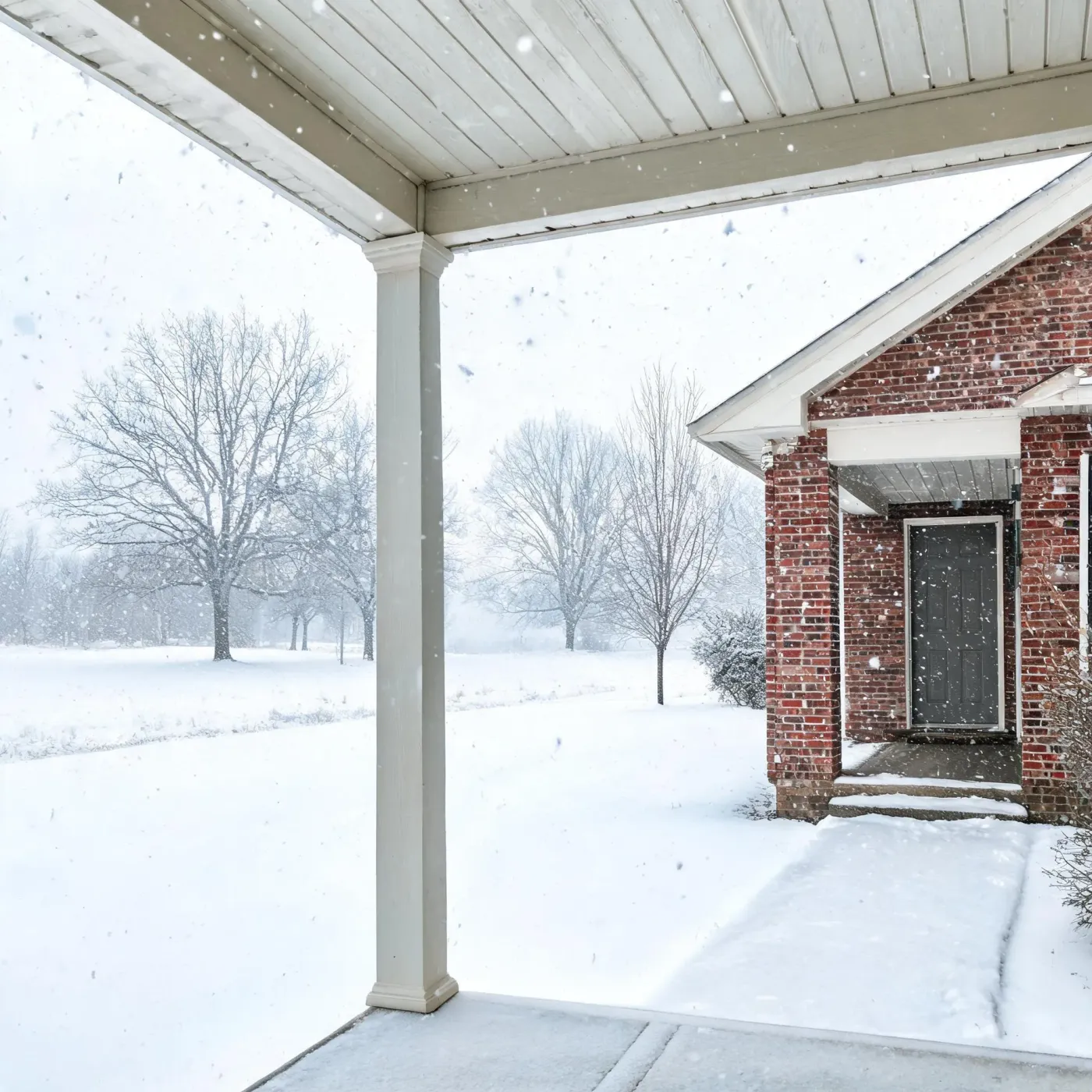
Winter nights average 13°F statewide, per NOAA. That's the kind of cold where your furnace isn't cycling on and off anymore, it's running long stretches just to hold the house steady. A generator sized right keeps it running through that whole stretch without faltering. One sized wrong might start the furnace fine, then stall it out the moment the blower kicks into a longer run. On a night that cold, you'd notice fast, the air coming out of the vents turning lukewarm, then stopping.
NOAA nClimDiv 1991-2020 county normals weighted by homes
Whole-House or Portable Generator
Whole-house generator
- Sized to cover the furnace along with the well pump, refrigerator, and the rest of the circuits at once, so nothing has to be shut off during an outage.
- Wired into the panel through a transfer switch, so it starts up on its own and the furnace never loses power even if nobody's home.
- Runs on natural gas or propane, so there's no fuel to haul or refill partway through a multi-day outage.
- Costs more upfront than a portable unit sized just for the furnace.
- Needs a permanent spot outside, usually on a pad, planned alongside the electrical hookup.
Portable generator
- Sized closer to the furnace's actual draw, often enough to run it along with a few lights and the refrigerator, but not the whole panel.
- Has to be set up and started by hand each time the power goes, which means someone has to be there when the outage hits.
- Runs on gasoline, so it needs fuel on hand and a refill every several hours depending on the load.
- Costs less to buy, but still needs a transfer switch installed to feed the furnace safely rather than running an extension cord to it.
- Has to sit outside away from the house while running, since it puts out exhaust the same as a car engine.

Power cuts out and the furnace shuts down with it.
The automatic transfer switch senses the outage within seconds.
The switch disconnects the panel from utility power first.
The generator starts on its own and comes up to speed.
Winter nights average 13°F statewide
At 13°F, your furnace is one of the few things standing between you and a cold house. A short outage at that temperature doesn't give you much time before pipes and rooms start losing heat fast, which is why the generator has to pick up the load right away, not eventually.
NOAA nClimDiv 1991-2020 county normals weighted by homes
The Right Size, Installed Right
- A 5,000 to 7,500 watt generator covers the furnace's blower motor, igniter, and oil pump along with their startup surge.
- Maine's winter nights average 13°F, which is when a furnace runs longest and a generator hookup matters most.
- A properly sized and wired transfer switch starts the generator within seconds of an outage, before the house loses heat.
- An undersized generator can stall on the furnace's startup draw and leave you without heat until the wiring gets sorted out.
- A local contractor who installs these hookups every winter knows which oil furnaces in Maine homes tend to draw the most on startup.
- One contractor handles the sizing and the wiring, so you're not fielding calls from several companies to get the same answer.
A furnace doesn't ask for much power to run, but it asks for the right amount at the right moment. Most oil furnaces here land in the 5,000 to 7,500 watt range once you account for the blower motor, the igniter, the oil pump, and the surge those motors pull on startup. Get the size wrong and the furnace can stall right when you need it most, on a night when it's 13°F outside and climbing down. Get the wiring wrong and even a correctly sized generator won't help, because the transfer switch has to sense the outage and bring the generator up before the house starts losing heat.
This is where a sizing chart stops being enough. A furnace installed in a Maine home ten years ago doesn't necessarily draw the same startup load as one installed last year, and the contractor who sizes the generator needs to know which one is sitting in your basement. Someone who installs these hookups every winter in Maine has already seen what tends to fail on the oil furnaces common here, and sizes around that instead of guessing from a spec sheet.
You'll be matched with one contractor, local to you, licensed to do the work. Not a handful of companies competing for the job, just the one who can look at your furnace, size the generator to it, and wire it so the switch does its job the moment the power cuts out.





Finding a pro stops being your job
The pro who reaches out is licensed in Maine.
No charge to send it. You decide if you hire them.